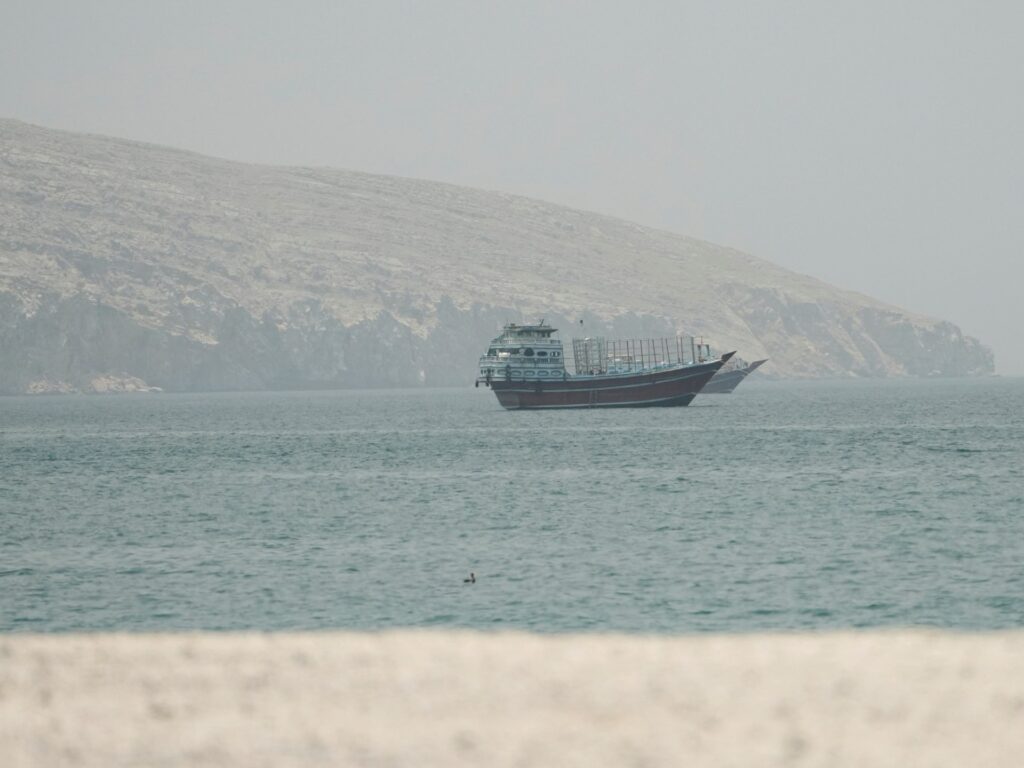
The United Nations agency responsible for maritime safety has suspended its evacuation initiative in the strategic Strait of Hormuz after a ship was recently attacked in the region. This decision comes amidst escalating tensions and security concerns, which have raised alarms over the safety of vessels navigating through these crucial international waters.
The Strait of Hormuz, a vital corridor for global oil shipments, has long been a flashpoint for geopolitical conflict. Recent events involving attacks on commercial vessels have exacerbated fears of instability, threatening the smooth passage of maritime traffic essential to the world economy.
In response to the violent incident, the International Maritime Organization (IMO) announced the halt of its evacuation plans designed to protect ships in distress within the strait. The move was prompted by security challenges that make it difficult to guarantee the safety of ships and their crews during such operations.
In parallel, Iran, which borders the Strait of Hormuz, has issued a warning to all vessels, directing them to use only routes that are approved by Tehran. This advisory marks a significant tightening of Iran’s control over maritime navigation in the area, reflecting its strategic interest in the strait and its tension with foreign powers operating there.
Iran’s directive emphasizes the importance of compliance with Tehran’s navigational guidelines, underscoring the nation’s claim to authority over the strait’s waters. This move could further complicate international maritime traffic and increase the risk of confrontations at sea.
The suspension of the UN evacuation initiative and Iran’s edict signify a precarious shift in the stability of maritime operations in the Hormuz region. The international community has expressed concern over the potential for one incident to escalate into broader conflict, threatening global energy supplies and trade routes.
Efforts to de-escalate the situation have become more urgent, with calls for diplomatic engagement and peaceful resolution of disputes. The need to secure safe passage through the Strait of Hormuz remains a high priority for nations reliant on oil shipments transiting this narrow waterway.
Maritime experts warn that continued uncertainty and enforcement of unilateral navigation rules could lead to increased risks of accidents, confrontations, or further attacks on vessels. The strategic importance of this chokepoint means that any disruption can have repercussions on global markets, particularly energy prices.
The UN agency and the IMO continue monitoring the situation closely while consulting with member states and regional authorities to explore alternatives for ensuring the safety of commercial shipping. Meanwhile, shipping companies are advised to remain vigilant and comply with regional directives to mitigate risks.
In conclusion, the halt of the Hormuz ship evacuation initiative following an attack highlights the fragile security environment in the strait. Iran’s insistence on exclusive navigation routes further strains international maritime operations, calling for renewed international efforts to maintain maritime peace and protect global trade interests in this critical region.