A powerful earthquake with a magnitude of 6.9 has struck northern Japan, causing significant concern among residents and officials. The seismic event occurred in the early hours, shaking the region and triggering emergency response protocols. Authorities have reported that the epicenter was located off the coast, affecting coastal areas with strong tremors.
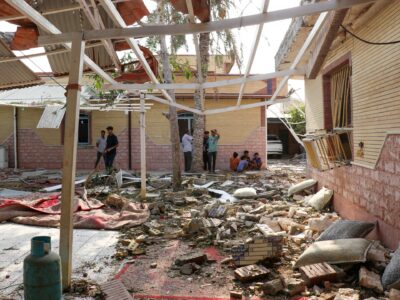
Initial assessments indicate that the earthquake caused structural damage in several towns and cities, although detailed reports on casualties or extensive damage are still being gathered. The Japan Meteorological Agency quickly issued warnings for potential aftershocks and urged people to remain vigilant.
Residents in the affected areas described the quake as intense and frightening, with many feeling the ground shake for several seconds. Emergency services are actively responding to calls and conducting inspections to ensure the safety of infrastructure such as bridges, roads, and buildings.
Japan, situated on the Pacific Ring of Fire, frequently experiences earthquakes due to tectonic activity along multiple fault lines. This event serves as a reminder of the region’s vulnerability and the importance of preparedness and robust disaster management systems.
Local governments are coordinating with national agencies to provide assistance and support to those impacted. Shelters have been set up for displaced individuals, and ongoing monitoring of the situation is underway to assess the full extent of the earthquake’s impact.
This earthquake highlights the continual seismic risks faced by northern Japan and underscores the critical need for earthquake-resistant construction and community awareness programs. Citizens are advised to follow official guidance, prepare emergency kits, and stay informed through reliable sources as aftershocks may continue in the coming days.
The situation remains fluid, with updates expected as more information becomes available from field assessments and monitoring stations. Authorities emphasize public safety and recommend caution during any subsequent tremors. The resilience and swift response of emergency teams play a crucial role in managing the aftermath of such natural disasters.