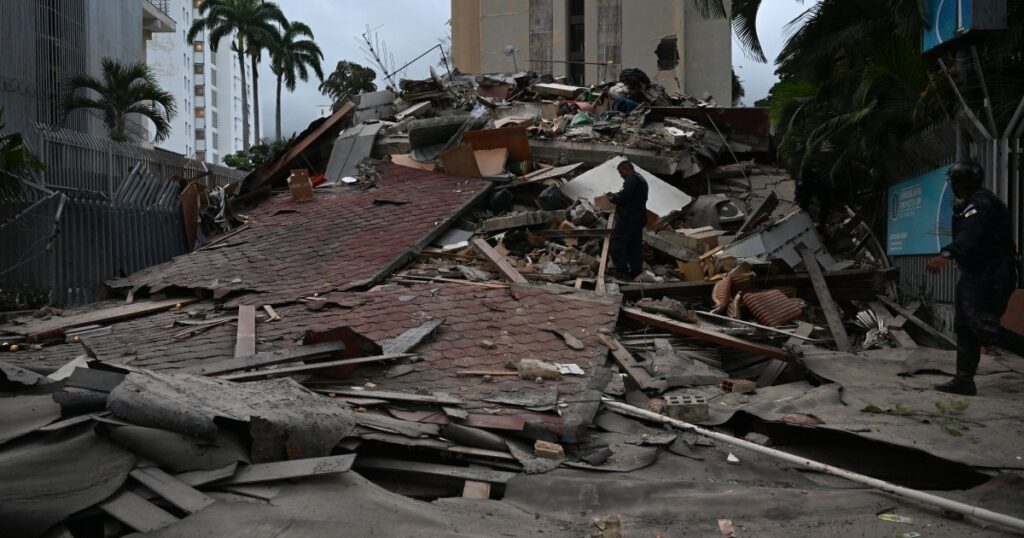
Venezuela has been rocked by a series of powerful earthquakes, causing widespread panic and significant damage across the South American nation. The United States Geological Survey (USGS) has reported that these back-to-back seismic events have likely resulted in high casualties, with emergency responders and officials scrambling to assess the full scope of the disaster.
The quakes struck within a short timeframe, amplifying the devastation in affected areas. Buildings have suffered structural damages, roads have been compromised, and critical infrastructure services disrupted. Local authorities have voiced concerns about the challenges posed by ongoing aftershocks, which continue to threaten the safety of residents and impede rescue operations.
Initial reports suggest that many regions, particularly those near the quake epicenters, are experiencing power outages, water shortages, and communication blackouts. Hospitals in the hardest-hit zones are reportedly overwhelmed with injuries ranging from minor to severe, prompting calls for international aid and support.
The US Geological Survey indicated that the magnitude of the largest quake measured significantly on the Richter scale, emphasizing the rarity and severity of the event in this part of the world. The tectonic movements underlying the region place Venezuela in a volatile seismic zone, but such extreme activity remains uncommon.
The Venezuelan government has declared a state of emergency in several provinces and mobilized military and civil defense units to assist in relief and recovery efforts. Evacuation centers have been established to shelter displaced populations, many of whom have lost their homes or face unsafe living conditions due to structural damage.
Residents reported feeling multiple tremors throughout the day, leading to heightened anxiety and fear of further seismic activity. Experts warn that aftershocks could continue for days or even weeks, necessitating vigilance and preparedness among the population.
International organizations and neighboring countries have expressed solidarity with Venezuela, offering humanitarian assistance and technical expertise to manage the crisis. Coordination efforts are underway to streamline resource distribution and medical aid to the most affected communities.
In the aftermath of the earthquakes, government officials are urging citizens to adhere to safety protocols, avoid non-essential travel to vulnerable areas, and stay informed through official communication channels. The disaster underscores the need for enhanced seismic risk management and infrastructure resilience in Venezuela.
Overall, the recent quakes represent a significant natural disaster for Venezuela, posing severe challenges for recovery and reconstruction. The situation remains fluid, with updates expected as emergency teams continue their work to save lives and restore essential services across the nation.