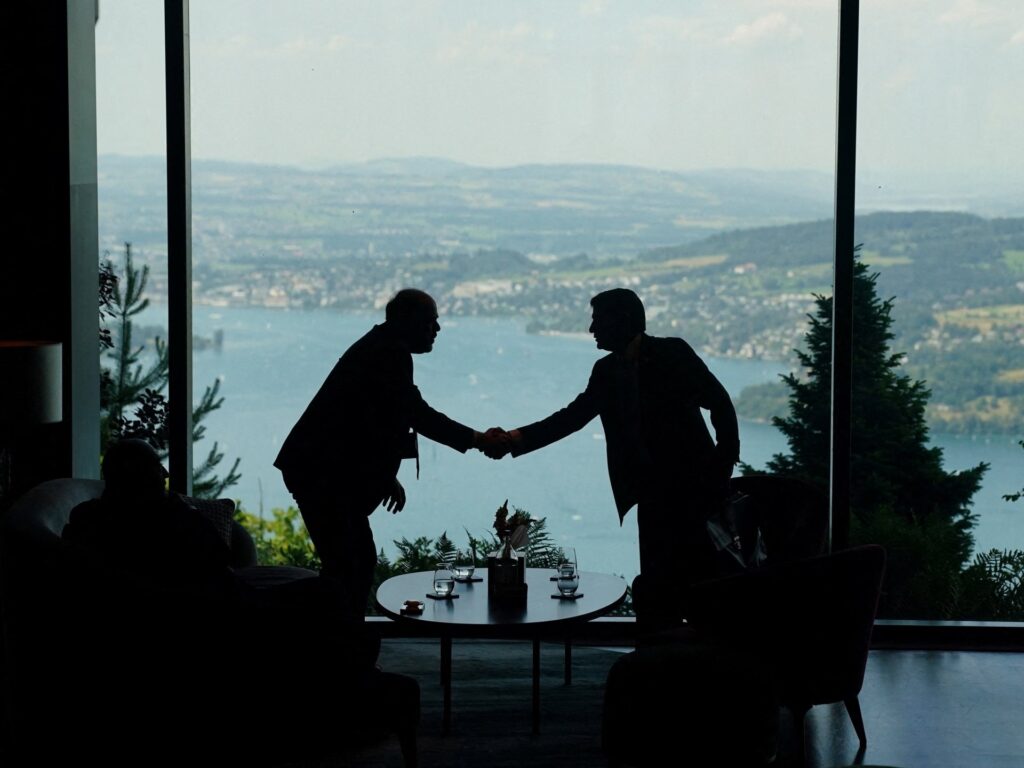
In recent developments, high-stakes talks between Iran and the United States held in Switzerland have yielded several critical outcomes that could influence the geopolitics of the Middle East and global diplomatic relations. These discussions, part of ongoing efforts to revive the 2015 Iran nuclear deal, formally known as the Joint Comprehensive Plan of Action (JCPOA), aimed to address longstanding issues surrounding Iran’s nuclear program and sanctions imposed by the US.
One of the key results from these negotiations was a renewed commitment from both parties to continue dialogue aimed at restoring the deal. The talks underscored the willingness of Iran to engage constructively under certain conditions, including the lifting of crippling economic sanctions that have heavily impacted the Iranian economy.
Meanwhile, the US delegation indicated a readiness to ease sanctions but stressed the need for verifiable limits on Iran’s nuclear activities, signaling a cautious but cooperative stance. This resumed engagement marks a hopeful shift from the previous administration’s withdrawal from the JCPOA in 2018, demonstrating a nuanced approach to diplomacy.
However, experts caution that despite these positive signs, several unresolved issues remain that could complicate further progress. A significant sticking point is the situation in Lebanon, where Iran-backed groups have substantial influence, raising concerns about regional stability. If the concerns regarding Lebanon’s political and security dynamics are not adequately addressed, they could undermine the broader agreement’s durability.
Additionally, the talks did not fully resolve the specifics of sanctions relief timing, nuclear verification mechanisms, and the scope of inspection protocols. These technical details require meticulous negotiation to build mutual trust and avoid future disputes.
Looking forward, the path to a lasting Iran-US agreement hinges on continued diplomatic engagement and addressing the complex geopolitical web involving Lebanon and other regional actors. Both parties are expected to convene further discussions soon, possibly including other stakeholders to broaden support for the nuclear agreement.
The international community remains cautiously optimistic, recognizing the potential reduction in nuclear proliferation risks and economic benefits from normalized relations. However, the persistence of unresolved questions signals that the road to a comprehensive deal will be challenging and demands sustained diplomatic effort.
In summary, the Iran-US talks in Switzerland represent a significant step toward potentially reviving the nuclear deal, but the outcome is not yet assured. The dual challenges of unresolved political issues in Lebanon and intricate technical disagreements require ongoing attention. Success will depend on the willingness of both sides to compromise and the involvement of supportive international partners to ensure a stable and secure Middle East.