In a significant development amid escalating tensions in the Middle East, the United States and Iran have agreed to hold high-level talks in Switzerland. This diplomatic move comes at a critical time as Iran has announced the closure of the Strait of Hormuz, a vital global oil transit chokepoint, in response to deadly Israeli attacks on Lebanon.
The announcement by Iran to close the Strait of Hormuz has sent shockwaves through international markets and political circles. The Strait is one of the world’s most strategically important waterways, through which a significant portion of the world’s petroleum passes. Any disruption here could have far-reaching effects on global energy supplies and economic stability.
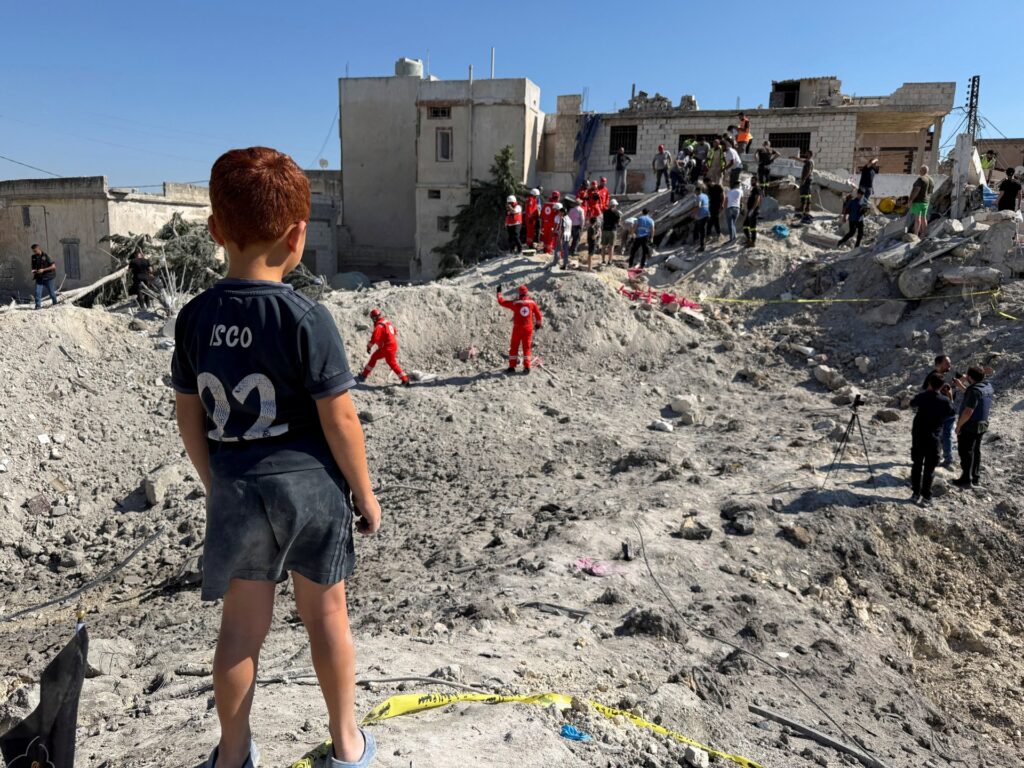
The backdrop to these developments is the intensifying conflict involving Israel and Lebanon. Recent deadly attacks by Israel have provoked a strong reaction from Tehran, which supports Hezbollah in Lebanon. Iran’s decision to block the Strait of Hormuz is seen as a direct response to Israeli military activities and a signal of its willingness to escalate the conflict if necessary.
The upcoming talks in Switzerland are being closely watched by international observers and governments worldwide. They mark a rare opportunity for direct communication between the U.S. and Iranian officials amid a period of heightened hostility and mistrust. The agenda for these discussions is expected to focus on de-escalating military tensions, addressing security concerns in the region, and possibly negotiating terms to ensure the free passage through the Strait of Hormuz.
Diplomatic sources suggest that the Swiss venue was chosen due to Switzerland’s traditional role as a neutral ground for sensitive talks involving conflict parties. Both the U.S. and Iran recognize the importance of these discussions to prevent further escalation and to explore potential pathways to peace.
Experts warn that while the talks offer hope, the situation remains fragile. Past negotiations have often been marred by mutual suspicions and conflicting interests, particularly regarding Iran’s nuclear program and regional influence.
The international community has called for restraint from all sides, emphasizing the need to avoid actions that could escalate into wider regional conflict. The United Nations and various world powers have expressed concern over Iran’s announcement to close the Strait and urged calm and dialogue to maintain stability.
Economic indicators have already felt the impact, with oil prices reacting strongly to news about the Strait of Hormuz. Market volatility is expected to continue until there is clarity on the situation.
For the people in the region, the stakes are high. Any prolonged conflict could result in significant humanitarian consequences and further destabilization of an already volatile area.
As the world awaits the outcome of the talks in Switzerland, the hope remains that diplomacy will prevail over confrontation, and that a peaceful resolution can be found to ease tensions between the U.S., Iran, and their respective allies.
This development underscores the complex interplay of global politics, regional security, and economic interests that define the current crisis in the Middle East. Continuous monitoring and international cooperation will be essential to navigate the challenges ahead and to promote lasting peace and stability.