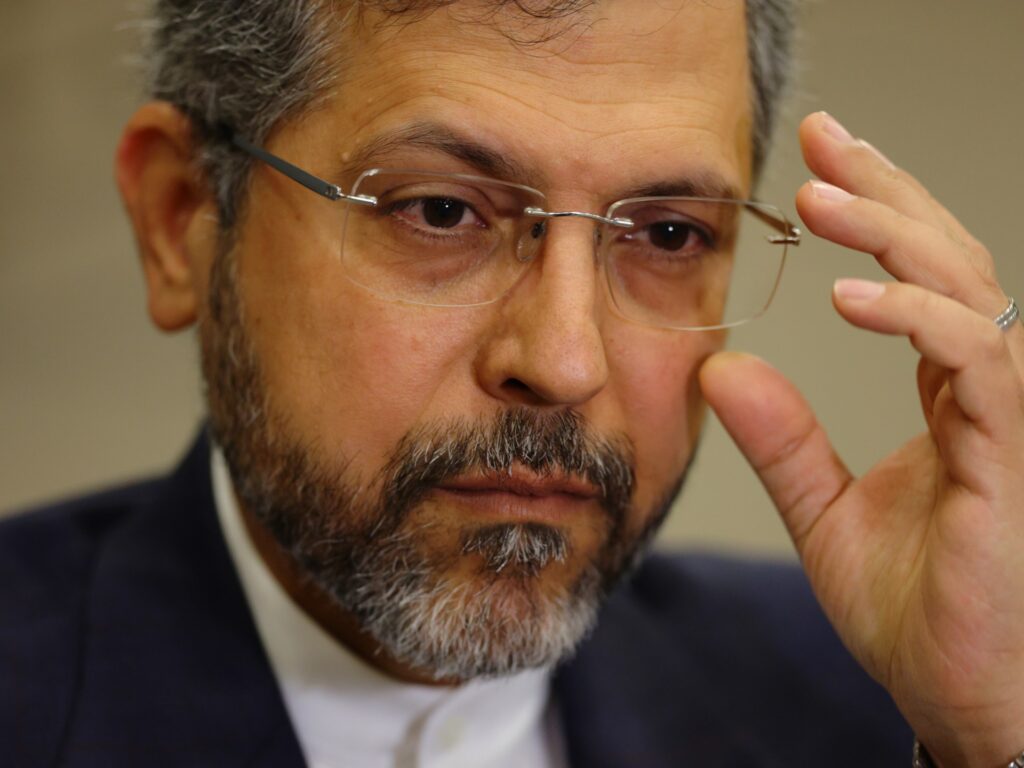
In a significant development in Middle Eastern diplomacy, Iran’s Deputy Foreign Minister, Saeed Khatibzadeh, has publicly stated that Iran is “ready to move forward” in its dealings with the United States. This announcement hints at potential thawing in relations following years of tension and stalled negotiations primarily centered around Iran’s nuclear program and regional security issues.
Speaking to Al Jazeera, Deputy FM Khatibzadeh emphasized that diplomacy remains the way forward for resolving ongoing conflicts and misunderstandings between Tehran and Washington. He acknowledged the complexities of the negotiations but underscored Iran’s commitment to engaging constructively.
However, Khatibzadeh also highlighted a crucial precondition for progress: the U.S. must ensure that Israel halts its attacks on Lebanon. This statement reflects Iran’s deep concern over regional security dynamics and the conflict involving Israel and Lebanese territories.
The situation has been tense in the Middle East, with recurrent clashes and military actions around the Lebanon-Israel border. Tehran’s insistence on Israeli cessation of attacks is a call for reducing hostilities that have broader implications for regional stability.
Iran’s readiness to advance talks with the U.S. comes at a time when diplomatic avenues have been largely frozen due to mutual distrust and geopolitical rivalries. The call for diplomacy underscores a rare moment where dialogue is prioritized over confrontation.
Experts believe that this development could pave the way for renewed negotiations aimed at reviving the Joint Comprehensive Plan of Action (JCPOA), commonly known as the Iran nuclear deal, which has been in limbo since the U.S. withdrawal in 2018.
Khatibzadeh’s remarks serve as a diplomatic signal not just to the U.S. but to international observers that Iran is open to engagement, provided that their security concerns, particularly related to Israel’s military actions, are seriously addressed.
This approach aligns with Iran’s broader strategic interests in maintaining influence in the region and preventing escalations that could destabilize neighboring countries.
For the U.S., this stance presents a diplomatic challenge. Balancing support for Israel while engaging Iran constructively requires careful negotiation and trust-building measures.
Observers anticipate that upcoming diplomatic exchanges will focus on both resuming nuclear talks and addressing regional conflict issues.
The international community watches closely as these developments could affect global security, energy markets, and geopolitical alliances.
In summary, Iran’s Deputy Foreign Minister signals a willingness to revive diplomatic efforts with the United States, conditioned on addressing pressing regional security concerns involving Israeli actions in Lebanon. This marks a potentially pivotal moment in Middle Eastern diplomacy with far-reaching implications for peace and stability in the region.