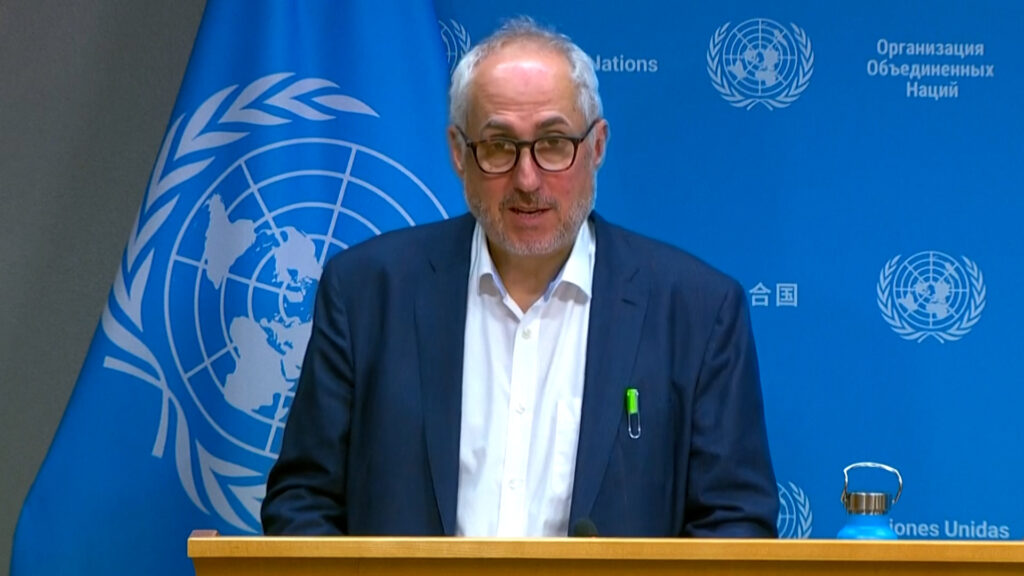
The United Nations has reported a notable decline in cross-border fire incidents in southern Lebanon. This positive development comes amid ongoing efforts to stabilize the region and promote peace between Lebanon and its neighboring territories. Historically, southern Lebanon has been a flashpoint for cross-border exchanges of fire, which have escalated tensions and threatened regional security.
The reduction in hostilities has been attributed to increased diplomatic engagements, the presence of UN peacekeeping forces, and a renewed commitment by local factions to avoid further escalation. Analysts believe this trend, if maintained, could pave the way for more durable peace agreements and economic development in the area.
UN officials expressed cautious optimism while emphasizing the need for continued vigilance and cooperation among stakeholders to sustain the current lull in violence. The report highlights the importance of ongoing dialogue and confidence-building measures to prevent a resurgence of conflict.
This decline also presents an opportunity for humanitarian organizations to enhance their efforts in southern Lebanon, providing much-needed aid and support to communities affected by previous conflicts. As stability improves, there is hope that the region can move towards greater reconstruction and social cohesion.
The UN continues to monitor the situation closely, urging all parties to maintain restraint and adhere to ceasefire agreements. International observers remain engaged in facilitating discussions aimed at long-term solutions to the underlying causes of tensions in the region.
Overall, the reported decrease in cross-border fire is a crucial step towards peace in southern Lebanon, signaling a possible shift towards stability in a historically volatile area. The success of these efforts depends on sustained commitment from all factions and the international community’s support.