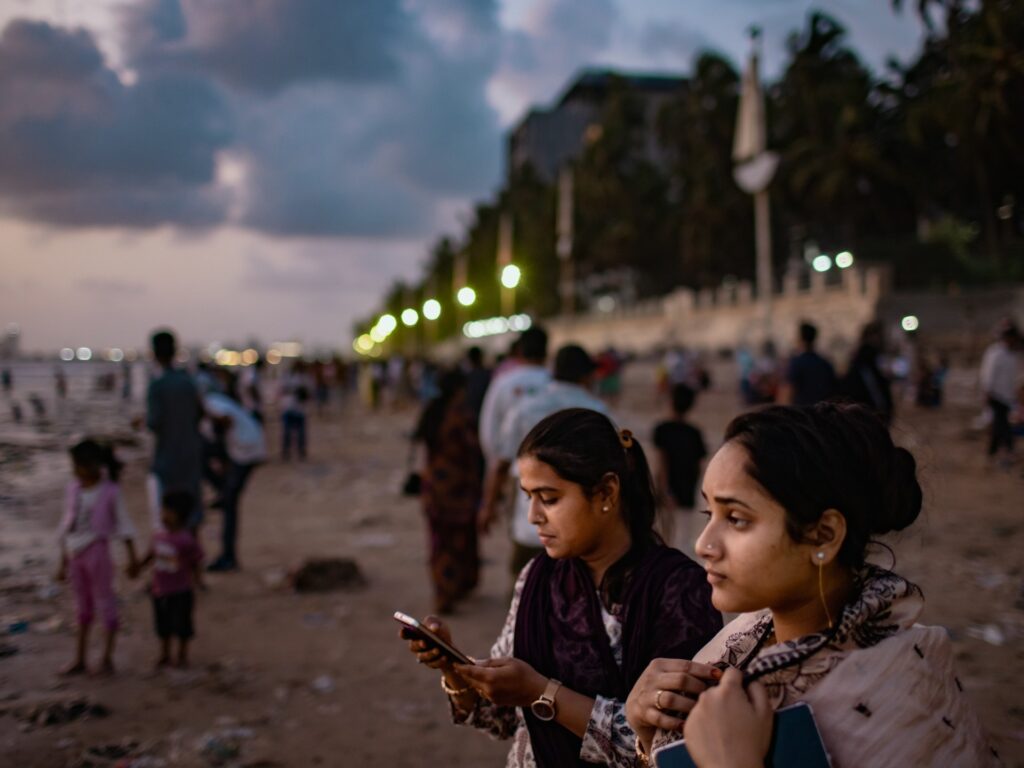
In response to growing concerns over student exam fraud, Indian authorities have taken the unusual step of blocking the Telegram messaging app until Monday. The move comes amid widespread fears that the platform is being used to facilitate cheating ahead of crucial examinations.
Telegram, a popular messaging and social media app known for its encrypted communication, has recently been at the center of controversy in India. The government’s decision to block access is aimed at curbing the spread of fraudulent activities related to upcoming student exams, which have significant implications for academic and professional futures across the country.
This action follows a spike in reported cases of exam-related misconduct and the circulation of fraudulent materials on social media channels, leading authorities to clamp down on tools they believe enable these violations.
In parallel with this crackdown, a new youth satirical protest movement called the Cockroach Janta Party has risen to prominence on the digital landscape. This group gained viral traction after last month’s announcement of exam cancellations, expressing a mix of frustration, political commentary, and humor.
The Cockroach Janta Party uses satire and parody to highlight issues in the education system, government policies, and the broader socio-political environment affecting young people in India. Their emergence reflects deeper dissatisfaction among youth who feel let down by structural issues and sudden changes in exam schedules.
The movement quickly spread across multiple social media platforms, leveraging memes, videos, and witty posts to engage a broad audience. It has become a symbol of resistance against perceived governmental overreach and the challenges students face in an increasingly complex educational landscape.
Critics argue that the government’s approach to blocking Telegram might disrupt normal communication and further complicate matters for students relying on the platform for legitimate academic collaboration. Supporters of the ban argue that extraordinary measures are necessary to uphold the integrity of the examination process.
The temporary nature of the block—set to end on Monday—suggests a targeted intervention rather than a long-term ban, aimed at neutralizing immediate risks during the exam period.
Education experts and policymakers are now facing the challenge of balancing technological freedoms, effective oversight, and ensuring fairness in examinations. The scenario highlights the evolving intersection of technology, social media, and education management in the modern era.
As this situation develops, stakeholders including students, parents, educators, and government officials await further updates. The government has assured the public that it will continue monitoring and taking action to protect the integrity of the examination system while considering the voices and concerns of all parties involved.
The coming days will be critical in observing the impact of these measures on exam conduct and the broader digital culture among Indian youth. The rise of artistic and humorous protests like the Cockroach Janta Party underscores an emerging trend of civic engagement through creative digital expression, reflective of a dynamic and evolving youth demographic in India.