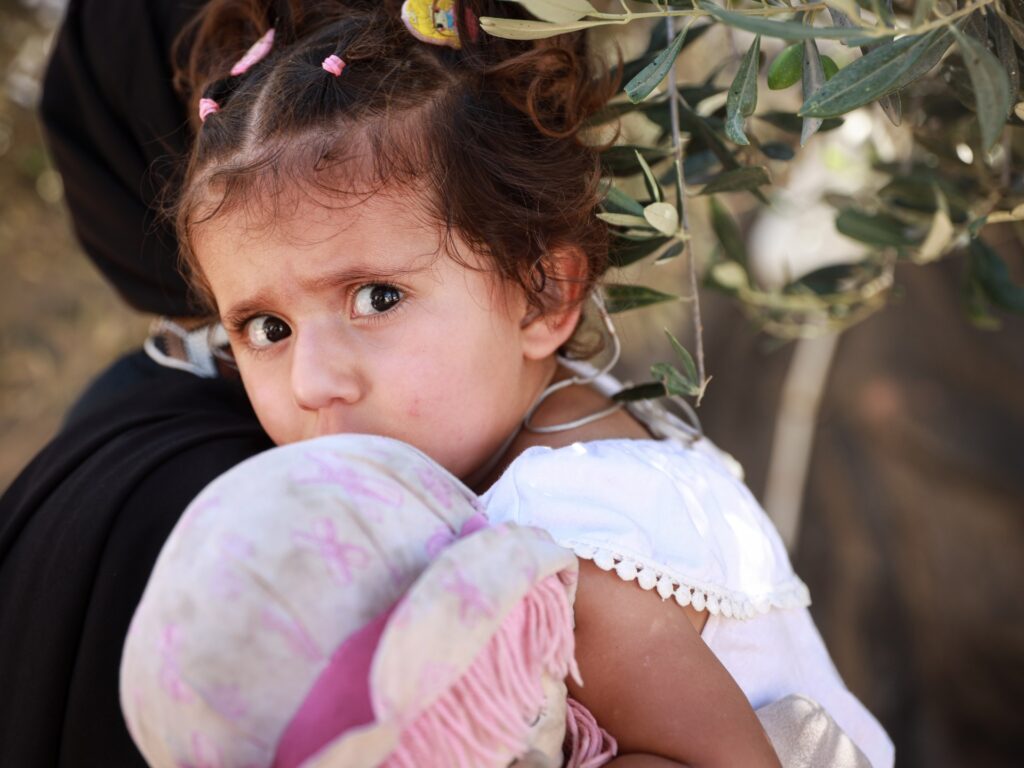
Children in Gaza are increasingly suffering from hearing impairments caused by repeated exposure to blasts, with many facing a closing window of opportunity for effective treatment. The ongoing conflict and frequent explosions have resulted in a surge of auditory injuries among the young population, leading to long-term health challenges.
Medical professionals in the region have reported a significant rise in cases of blast-induced hearing loss, particularly among children who are more vulnerable to the damaging effects of loud explosions. Hearing impairments at an early age can have profound consequences on a child’s development, education, and social integration.
Experts emphasize the urgency of early diagnosis and intervention to prevent irreversible damage. However, the ongoing conflict has severely limited access to medical facilities and specialized care, complicating timely treatment efforts.
Blast-induced hearing loss typically occurs when explosive forces damage the delicate structures of the inner ear, including the cochlea and auditory nerves. This damage can result in partial or complete hearing loss, tinnitus, and difficulties in speech comprehension.
The psychological impact on affected children is also a growing concern. Hearing loss can lead to social isolation, communication barriers, and emotional distress, exacerbating the trauma they have already experienced.
Local health authorities and international aid organizations are calling for immediate measures to provide adequate medical support and rehabilitation services for these children. They advocate for enhanced protective measures in conflict zones to reduce blast exposure and the implementation of specialized hearing screening programs.
Parents and caregivers are urged to remain vigilant for signs of hearing loss, such as delayed speech development, inattentiveness, or withdrawal from social interactions, and to seek medical advice promptly.
Advances in medical technology offer hope, with treatments ranging from hearing aids to cochlear implants potentially restoring functionality if administered early enough. Rehabilitation therapies also play a critical role in helping children adapt and improve their communication skills.
Nevertheless, the complex humanitarian situation in Gaza poses immense challenges to delivering consistent and effective healthcare services. Continued conflict disrupts supply chains, damages infrastructure, and drives healthcare professionals to shortages, further limiting treatment accessibility.
The plight of Gaza’s children with blast-induced hearing loss highlights a broader issue of civilian suffering in conflict zones. Addressing their needs demands coordinated efforts from governments, humanitarian agencies, and the international community.
Investing in specialized medical infrastructure, training professionals, and raising awareness about the consequences of blast injuries can make a significant difference in improving outcomes for these vulnerable children.
In conclusion, the growing incidence of hearing impairments among Gaza’s children due to repeated blast exposure is a pressing health crisis. Early intervention is critical to mitigating long-term disabilities and supporting affected children’s well-being.
Urgent humanitarian assistance, combined with efforts to protect civilians from the dangers of conflict, is essential to safeguard future generations from the devastating effects of blast-induced hearing loss.