In a significant move, the Trump administration has imposed sanctions on Cuba’s national oil company, Union Cuba-Petroleo (CUPET), escalating tensions between the United States and Cuba. Secretary of State Marco Rubio publicly denounced CUPET, accusing the company of unlawfully expropriating U.S. resources in Cuba.
The sanctions target CUPET’s operations and its dealings, particularly focusing on its role in the Cuban economy and the Communist government’s control over vital energy resources. The U.S. government alleges that CUPET’s activities are in direct violation of international laws and U.S. statutes pertaining to the protection of American assets abroad.
Rubio, a vocal critic of the Cuban government, called for increased pressure on the Castros’ regime, emphasizing the need to hold Cuba accountable for its actions against American interests. He described the expropriation of resources as unlawful and harmful not only to the U.S. economy but also detrimental to the Cuban people, who suffer under the Cuban government’s tight grip.
This move reflects the broader Trump administration policy of a hardline stance against Cuba, reversing some of the previous administration’s efforts to normalize relations. The sanctions aim to curtail the Cuban government’s access to revenue and resources derived from its oil industry, thereby choking off a critical revenue stream supporting its authoritarian regime.
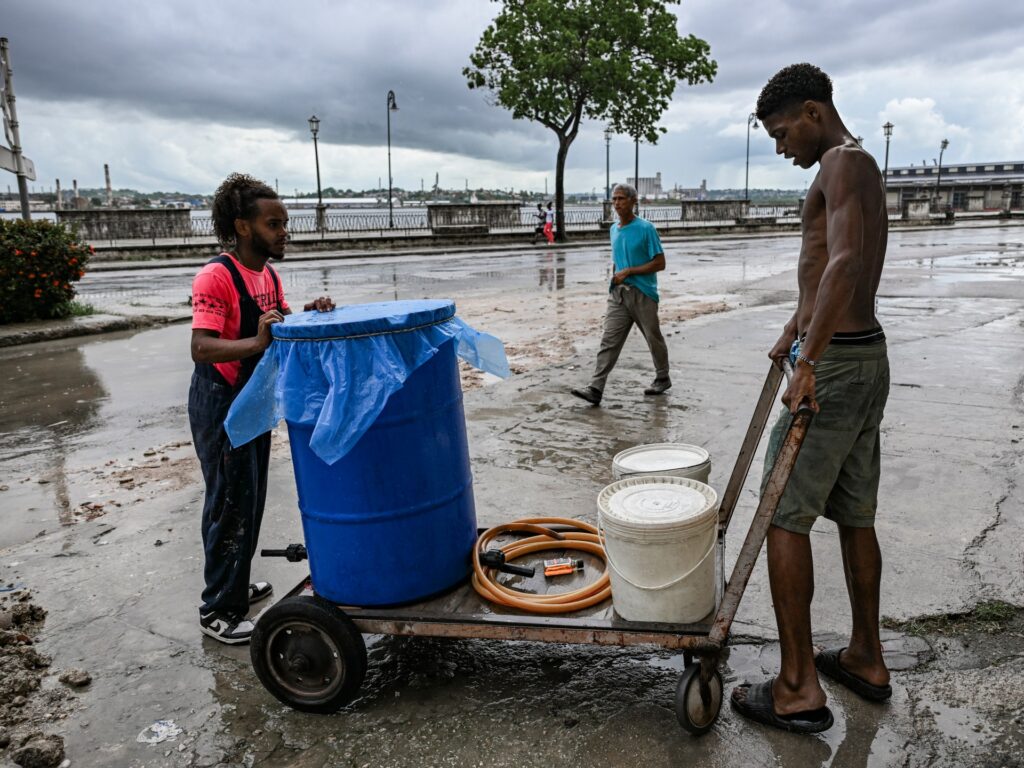
Experts say the sanctions could severely impact Cuba’s oil supply, which is paramount for its energy needs, transportation, and agriculture. With limited domestic production, Cuba relies heavily on imports and partnerships facilitated by CUPET. The new restrictions might push Cuba to seek alternative arrangements, possibly increasing its dependence on allies like Russia and Venezuela.
The Trump administration’s directive to sanction CUPET is part of a larger U.S. strategy to pressure authoritarian regimes by cutting off their economic lifelines. This strategy aligns with tightening measures against Venezuela and Iran, reinforcing the administration’s commitment to confront what it sees as oppressive governments in the Western Hemisphere.
The Cuban government, in response, has condemned the sanctions, labeling them as illegal and an act of economic warfare. Cuban officials argue that the sanctions will only deepen the hardships faced by ordinary Cubans and further isolate the island nation from the international community.
International reactions have been mixed. Some U.S. allies have expressed support for efforts aimed at promoting democracy and human rights in Cuba, while others have called for dialogue and engagement to resolve differences.
Meanwhile, in the U.S., the Cuban-American community is largely supportive of the sanctions, seeing them as a necessary step to undermine the Castro regime’s power and bring attention to human rights abuses in Cuba.
The move signifies a clear message from Washington regarding its unwavering stance against Cuba’s Communist government and highlights the ongoing geopolitical complexities between the two nations.
As the situation develops, the impact of these sanctions on Cuba’s economy, the wellbeing of its people, and U.S.-Cuba relations will continue to be closely monitored by international observers and policymakers alike.