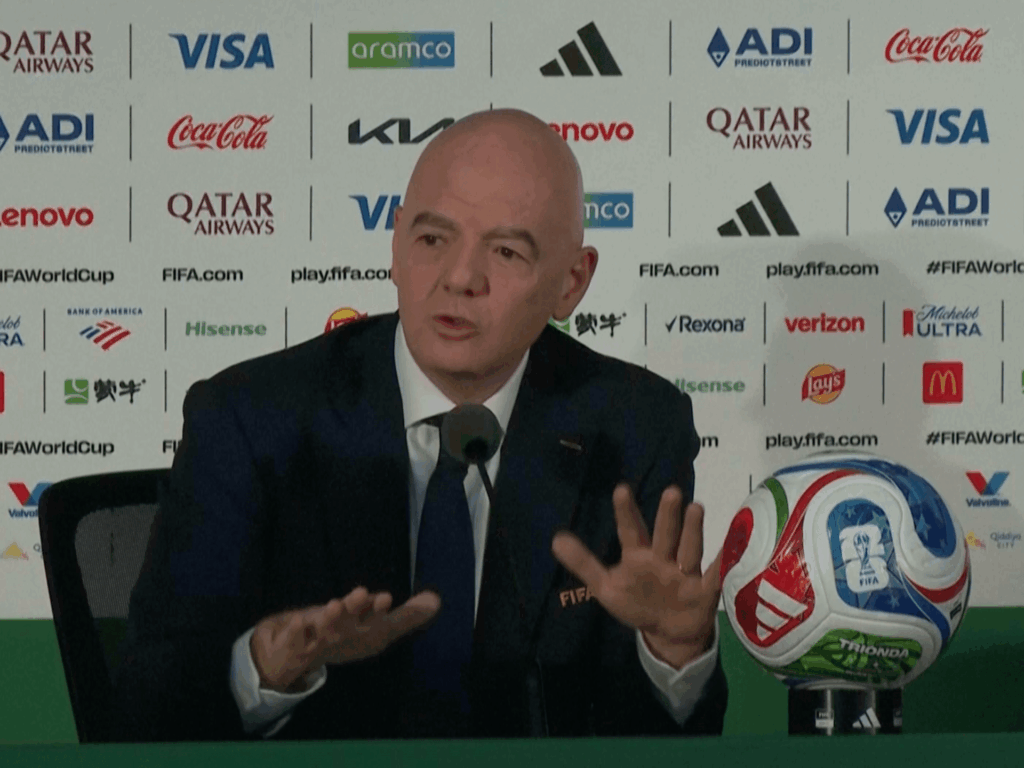
In a recent statement, FIFA President Gianni Infantino addressed the controversy surrounding the deportation of a Somali referee, urging critics to ‘relax’ and not jump to conclusions. The situation arose when the Somali referee was deported from a country under unclear circumstances, sparking outrage and accusations against FIFA and the host nation.
Infantino emphasized that FIFA had no involvement in the deportation decision, which was entirely handled by local authorities. He reassured the global football community that FIFA remains committed to protecting and supporting referees and officials, regardless of their nationality or background.
The Somali referee had been officiating international matches and was considered an important figure in promoting football development in the region. His sudden deportation raised concerns about the safety and treatment of referees from less represented nations in global sports.
Infantino’s comments came amid calls from various organizations and football fan groups demanding clarity and accountability. He stated, ‘We respect the sovereignty of nations, but we also encourage dialogue and understanding. People should calm down and see the full picture before reacting.’
The FIFA president further highlighted ongoing efforts to improve referee welfare and to foster inclusion and diversity within the sport. He assured that FIFA would continue to work with partners to ensure fair treatment for all officials.
Critics, however, remain skeptical, pointing to a need for more transparency and stronger protections for referees operating in international environments. The debate over the deportation has sparked wider discussions about how global sports institutions handle political and humanitarian issues.
Despite the criticisms, Infantino called for unity among football’s various stakeholders to focus on the sport’s development and integrity. He concluded by urging everyone involved to prioritize respect, understanding, and cooperation in tackling such sensitive matters.
The Somali referee’s case continues to draw attention to the challenges faced by officials from conflict-affected and underrepresented countries, highlighting the complex interplay between sports, politics, and human rights.