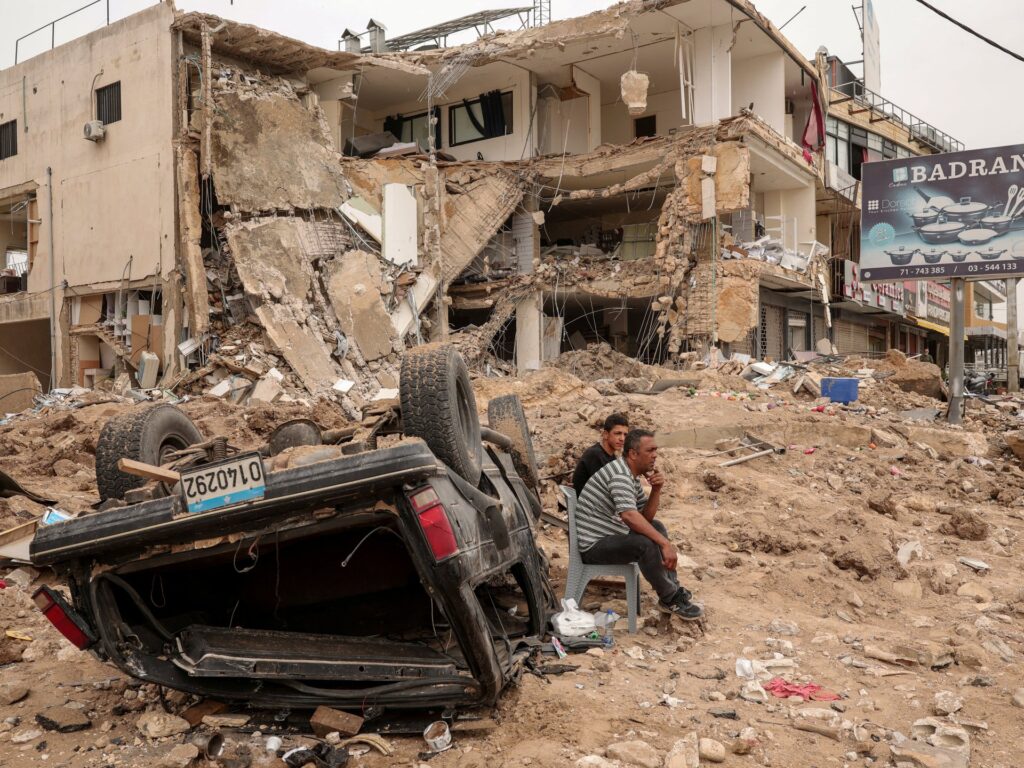
Satellite imagery has provided stark evidence of the extensive destruction wrought on the ancient city of Tyre amid recent Israeli military operations. The images highlight widespread damage to residential neighborhoods, UNESCO World Heritage buffer zones, and Palestinian refugee camps within and around the city.
Tyre, a city of immense historical and cultural significance located on the Mediterranean coast of Lebanon, is renowned for its archaeological treasure trove and its status as a UNESCO World Heritage Site. The recent satellite data underscores the scale of devastation affecting not only residential buildings but also critical heritage areas, raising international concern over the preservation of this ancient city.
The affected residential areas have suffered significant damage, with numerous homes either destroyed or severely compromised, leading to displacement of civilians and a humanitarian crisis. Satellite images reveal collapsed structures, debris-cluttered streets, and large areas of total destruction.
Furthermore, Tyre’s critical UNESCO Heritage buffer zones, designed to protect the integrity of the site’s cultural landmarks, have been notably impacted. Damage to these zones threatens to irreparably harm historical monuments and archaeological sites that have survived for millennia.
Palestinian refugee camps near Tyre have also been severely affected by the strikes. These camps, home to vulnerable populations displaced over decades, have seen extensive structural damage, compounding the hardships faced by residents amid ongoing conflict.
The satellite data serves as an important tool for humanitarian organizations and international observers to assess the scale of destruction and plan effective responses. It also adds to the growing calls for accountability and protection of cultural heritage during armed conflicts.
This destruction in Tyre is a stark reminder of the intense human and cultural toll that military conflicts impose on historic cities and civilian populations. The international community continues to strive for more robust mechanisms to safeguard heritage sites and protect innocent lives during hostilities.
As investigations and analyses continue, experts emphasize the need for immediate humanitarian aid for displaced residents and stronger efforts to preserve Tyre’s invaluable heritage. The satellite images not only document damage but also serve as a call to action to support restoration and peacebuilding initiatives in the region.