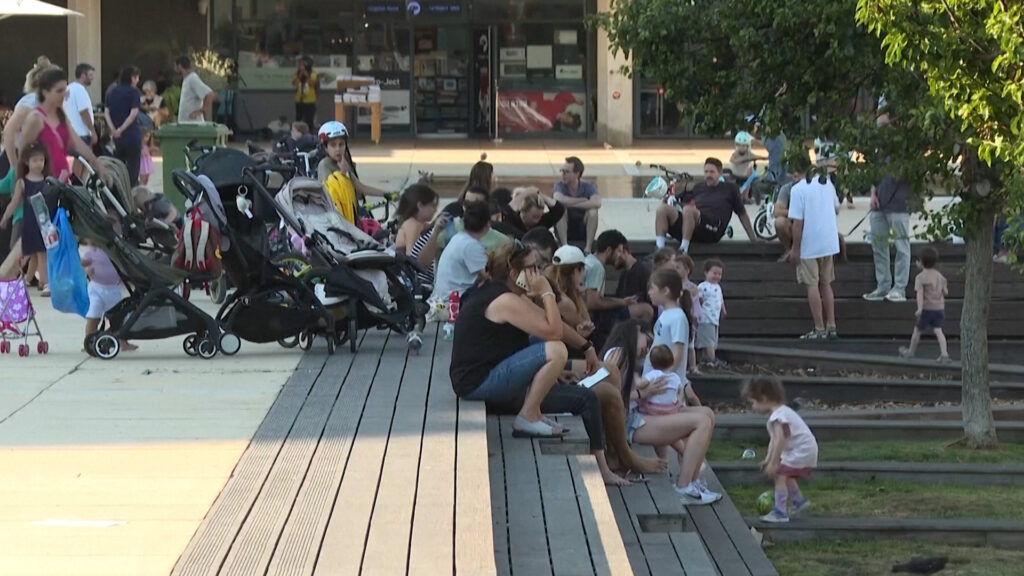
In the aftermath of the recent missile exchanges between Israel and Iran, residents of Tel Aviv have expressed a range of emotions, reflecting the tension and uncertainty pervading the city. The day was marked by multiple missile launches, triggering air raid sirens, causing panic, and disrupting daily life.
Many residents voiced feelings of vulnerability and fear. Citizens described the experience as harrowing, with some stating, “We basically lost today,” highlighting the bleak sense of setback amid ongoing regional conflicts. The missile exchanges have reignited fears of a broader escalation, leaving the public anxious about what may come next.
Others expressed frustration with the persistent instability, questioning the effectiveness of defense systems and the broader implications for peace. Business owners noted impacts on commerce, as shops closed early and foot traffic diminished sharply. Schools and public services faced disruptions, contributing to a sense of chaos throughout the city.
Despite the turmoil, some voiced solidarity and resilience. Communities rallied to support one another, with neighbors opening doors to those seeking shelter and providing assistance to vulnerable populations. Emergency services operated around the clock, striving to mitigate damage and maintain order.
Political commentators and analysts noted that the exchanges underscore the complex and volatile nature of Israel-Iran relations. They stressed the importance of diplomatic efforts to de-escalate tensions and prevent further violence, noting that continued hostilities could have far-reaching consequences for the region.
International reactions voiced concern and calls for restraint, emphasizing the need for dialogue over conflict. The global community watches closely, hoping for a peaceful resolution amid escalating provocations.
For residents of Tel Aviv, the day of missile exchanges was a stark reminder of their precarious security environment. Many expressed hope for a return to calm and stability, though uncertainty lingered. The collective sentiment ranged from fear and sorrow to determination, reflecting a community grappling with the realities of conflict but striving to endure.