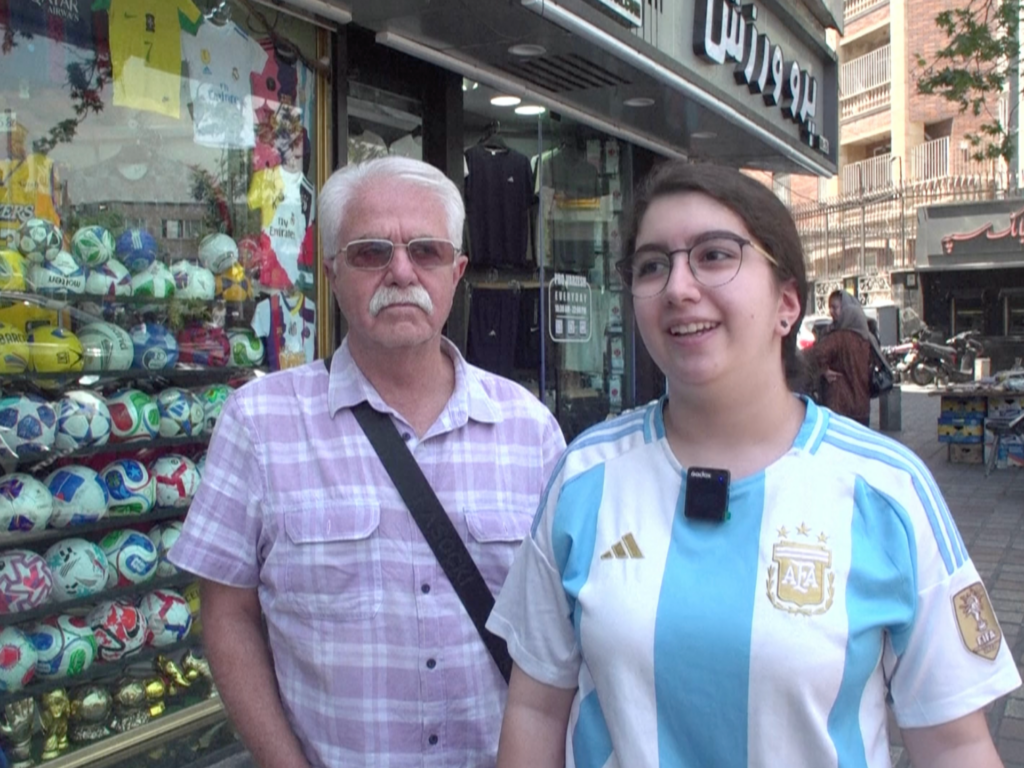
As the FIFA World Cup brings global football fans together, the usual jubilation and anticipation within Iran have been significantly muted. Despite the nation’s passion for football and its history of producing talented players, the excitement surrounding the World Cup is overshadowed by ongoing war concerns and a severe economic crisis.
Iran, a country with deep and rich cultural ties to football, often eagerly rallies behind its national team during international tournaments. The World Cup is typically a unifying event, instilling a sense of pride and optimism among citizens. However, this year, those sentiments are dampened. The nation faces internal and external conflicts that weigh heavily on the public psyche.
The ongoing war in neighboring regions commands much of the country’s focus and resources. This environment of instability has led to heightened anxiety and division rather than collective celebration. Moreover, the economic situation within Iran has deteriorated dramatically, with soaring inflation, unemployment, and a weakened currency impacting daily life.
These economic hardships mean that many Iranians are more concerned with basic survival and economic stability than sports festivities. The rising cost of living has curtailed discretionary spending, including on leisure activities like watching sports events. Even communal venues that traditionally hosted World Cup viewing parties have seen dwindling attendance.
In addition, international sanctions and diplomatic tensions have isolated Iran, limiting opportunities for cultural exchange and international support. This isolation further deprives the nation of the spirit of global fellowship that international sports events usually foster.
Political tensions within Iran also add to the subdued mood. Citizens confronting uncertainty in governance and freedom often find themselves less able or willing to engage in large-scale celebratory events. The World Cup, usually a momentary escape from everyday challenges, is instead overshadowed by more pressing concerns.
Despite the challenges, the Iranian national team remains a source of pride and determination. Players continue to train and compete with passion, providing a glimmer of hope and normalcy to their supporters. Football fans continue to follow the matches, albeit with a mix of enthusiasm and heavy-hearted concern.
Experts suggest that sports fandom in Iran during these times reflects the broader societal struggle—where even joy and collective celebration are tempered by the harsh realities of conflict and economic distress. While the World Cup could offer a unifying platform, in Iran, it has become a poignant reminder of the challenges faced by its people.
Looking ahead, many hope for improved stability and economic recovery that could once again allow sports to serve as a unifying force and source of national pride, rather than a backdrop to hardship and crisis. Until then, the World Cup in Iran remains a muted celebration, with the passion for the game enduring quietly beneath the weight of ongoing struggles.