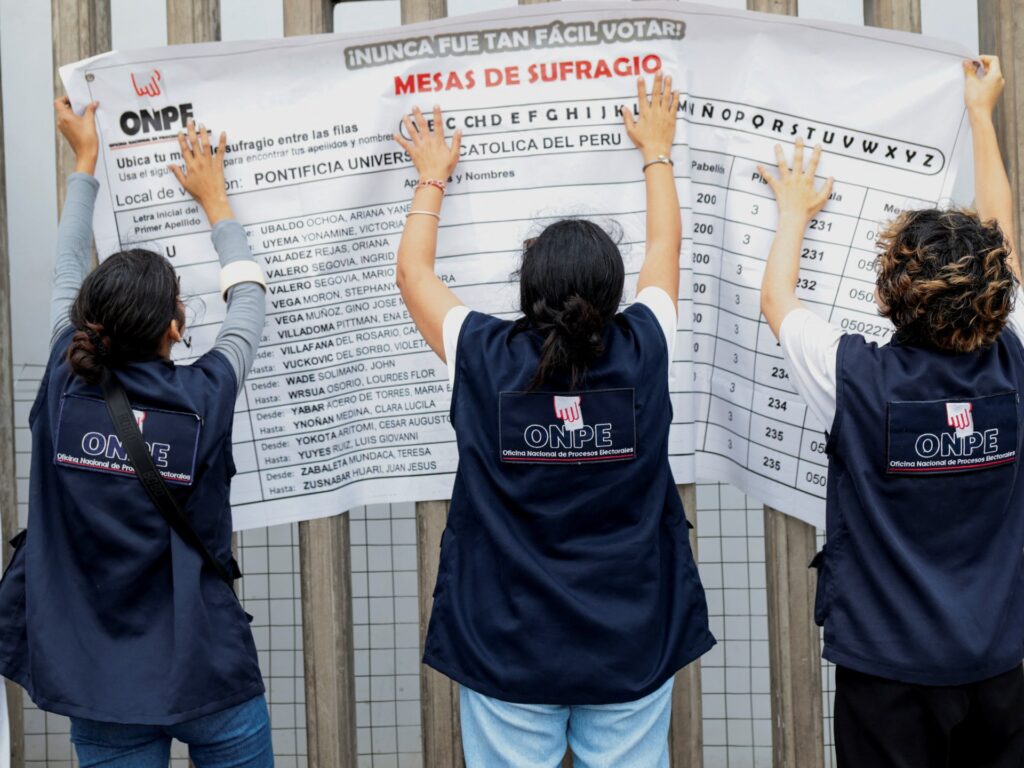
Peru has opened its polls for the much-anticipated presidential runoff election, pitting right-wing candidate Keiko Fujimori against left-wing contender Roberto Sanchez. This election follows a tumultuous first round of voting, which was significantly impacted by various logistical challenges.
The runoff marks a critical juncture for Peru’s political landscape. Keiko Fujimori, a conservative figure and daughter of former President Alberto Fujimori, represents the right-wing bloc. She has a strong political base but remains a polarizing personality due to her family’s controversial legacy.
On the other side, Roberto Sanchez is running on a left-wing platform focused on social reforms and addressing inequality. His campaign has gained momentum among younger voters and those seeking significant changes in government policy.
The first round of voting was marked by numerous logistical issues including delays at polling stations, malfunctioning voting equipment, and extended wait times which led to public frustration. Despite these setbacks, voter turnout remained high, reflecting the intense public engagement and the high stakes of this election.
Observers note that both candidates face an uphill battle in uniting the country, which is deeply divided politically and socially. Fujimori’s campaign stresses law and order and economic stability, promising to continue policies favorable to business and investment.
Conversely, Sanchez advocates for reform-oriented policies, including increased social spending, more rights for indigenous communities, and a crackdown on corruption. His platform aims to address long-standing social inequalities that have persisted in Peru.
International observers are closely monitoring the election process to ensure fairness and transparency, especially in light of past controversies involving election interference allegations in Peru.
The stakes of this election are high, as Peru is wrestling with economic challenges, social unrest, and demands for judicial reform. The outcome will shape the country’s trajectory in these critical areas.
Experts suggest that the runoff’s result will not only reflect the immediate political preferences of Peruvians but could also signal broader trends in Latin American politics where left-right divides continue to characterize electoral contests.
As the polls close, all eyes turn to the counting process and the eventual declaration of results, which will determine the next president of Peru and the direction the nation will take in the coming years.