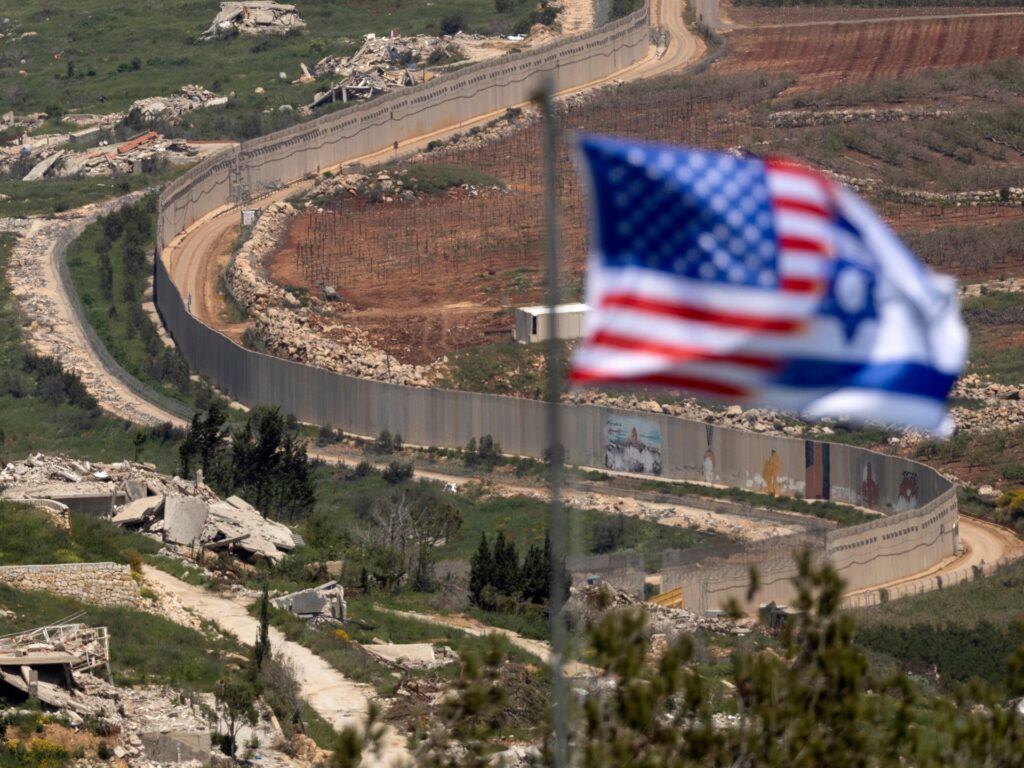
In a significant development, the Pentagon has reportedly elevated the threat level concerning Israeli spying activities to ‘critical.’ This move reflects growing concerns within the U.S. Department of Defense about the escalation of espionage amid the ongoing conflict involving Israel and Iran, as well as the complex dynamics of the ceasefire talks underway.
Recent department reports have highlighted a marked increase in espionage actions attributed to Israel, signaling heightened intelligence operations amid the intense geopolitical environment. This surge in spying activity comes as the United States and Israel navigate a precarious balance between military engagement with Iranian forces and diplomatic efforts to negotiate a ceasefire.
The Pentagon’s designation of a ‘critical’ threat level suggests an unprecedented alert regarding the potential risks posed by Israeli intelligence operations on U.S. interests. Such an escalation indicates that spying activities may be not only more frequent but also more sophisticated and potentially jeopardizing sensitive information and operational security.
The backdrop to these developments includes the ongoing war between Israel and Iran, where both sides have engaged in prolonged hostilities involving direct and proxy confrontations. Amid this conflict, espionage plays a vital role in gathering strategic intelligence, detecting enemy movements, and countering adversarial plans.
U.S. involvement in the region is multifaceted, encompassing military support, intelligence sharing, and diplomatic pressure to foster peace. However, the revelation of increased espionage has introduced new tensions, as it complicates the already delicate cooperation and trust between the U.S. and Israeli intelligence communities.
Experts suggest that the intensified spying could be driven by Israel’s urgent need to anticipate Iranian military maneuvers and to secure an advantage in the multi-front turmoil. Likewise, the U.S. must reassess its operations and safeguards to mitigate risks to its own intelligence apparatus and broader strategic interests.
The ceasefire talks, aimed at de-escalating violence, face additional hurdles due to these intelligence concerns. With espionage activities rising, suspicions may increase, potentially undermining negotiations and forcing all parties to adopt more cautious stances.
Pentagon officials have not publicly detailed specific incidents but emphasize the seriousness of the threat level adjustment. Analysts interpret this as a message to allied and adversarial actors alike about the increased vigilance and readiness of U.S. defense systems against potential espionage threats.
The situation remains fluid, with ongoing monitoring crucial for anticipating future developments that could affect not only regional security but also global diplomatic relations involving the United States, Israel, and Iran.
In summary, the Pentagon’s elevation of the threat level to ‘critical’ regarding Israeli spying underscores a new dimension of complexity in an already volatile regional conflict. It highlights the intertwined nature of military operations, intelligence activities, and diplomatic efforts influencing the Middle East landscape amid the U.S.-Israeli war with Iran and associated ceasefire discussions.