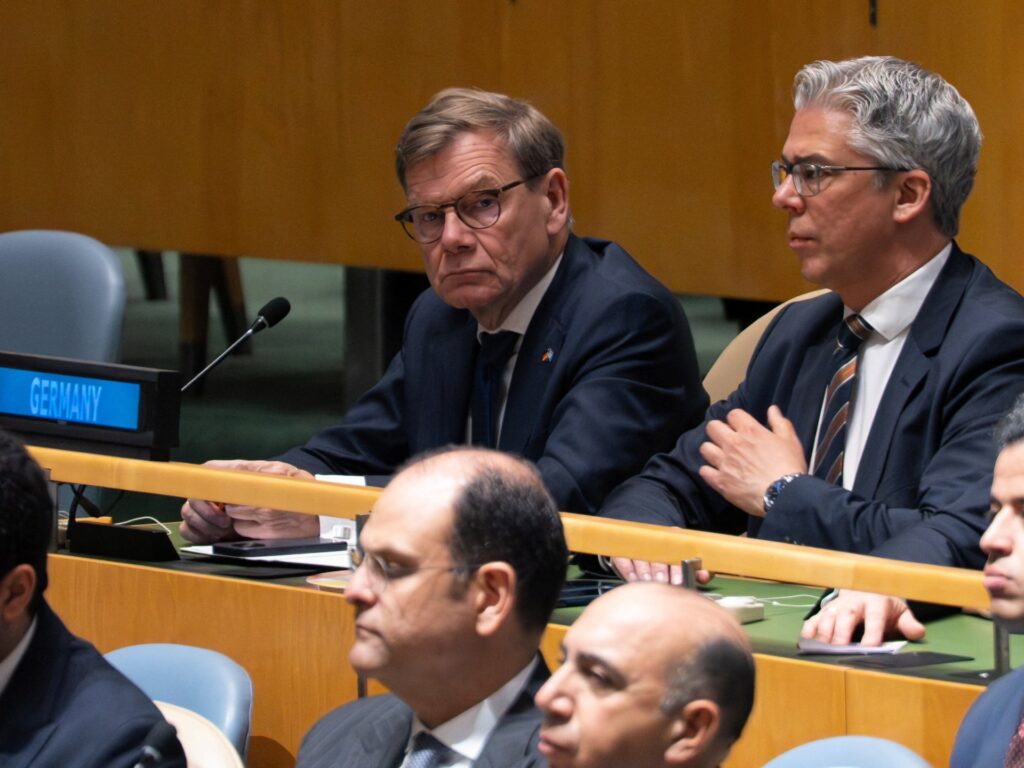
Germany recently lost its bid for a non-permanent seat on the United Nations Security Council (UNSC) to Austria and Portugal, which secured the two available seats. Despite speculation, this loss is not directly linked to Germany’s support for Israel. Germany has been known for its strong diplomatic ties and support for Israel, but several factors contributed to the outcome of the UNSC election.
The selection of non-permanent members to the UNSC is influenced by a variety of geopolitical, regional, and diplomatic considerations. The seats are distributed based on regional groupings, and member states often compete intensely for these limited positions. Germany’s competition from Austria and Portugal reflected the complex dynamics within the European and Western European and Others Group (WEOG), where political alliances, regional rotations, and campaigning efforts play crucial roles.
Austria and Portugal executed effective diplomatic campaigns that resonated with the broader UN membership, securing the majority of votes. This outcome underscores the highly competitive nature of UNSC elections and the importance of securing wide-ranging support from other member states.
While Germany maintains a strong international presence and is viewed as a key player in global affairs, the UNSC bid loss highlights the multifaceted factors beyond single-issue support that influence elections within the UN framework. Support for Israel by Germany, although a significant aspect of its foreign policy, was not the pivotal factor leading to the defeat in securing the UNSC seat.
The election results serve as a reminder of the intricate balance of diplomacy, regional support, and international relations that shape the United Nations. Germany remains an influential member of the UN and continues to engage actively in global issues through various other venues and forums.
In conclusion, Germany’s failure to secure a UNSC seat in this election cycle is attributed to the effective campaigns by Austria and Portugal and the broader political dynamics at play, rather than Germany’s stance on Israel. The political landscape within the UN is complex, and decisions about Security Council memberships involve multiple layers of negotiation and strategy beyond bilateral relations with any single country.