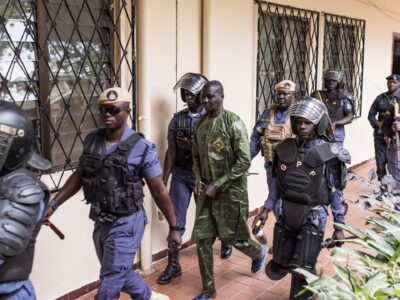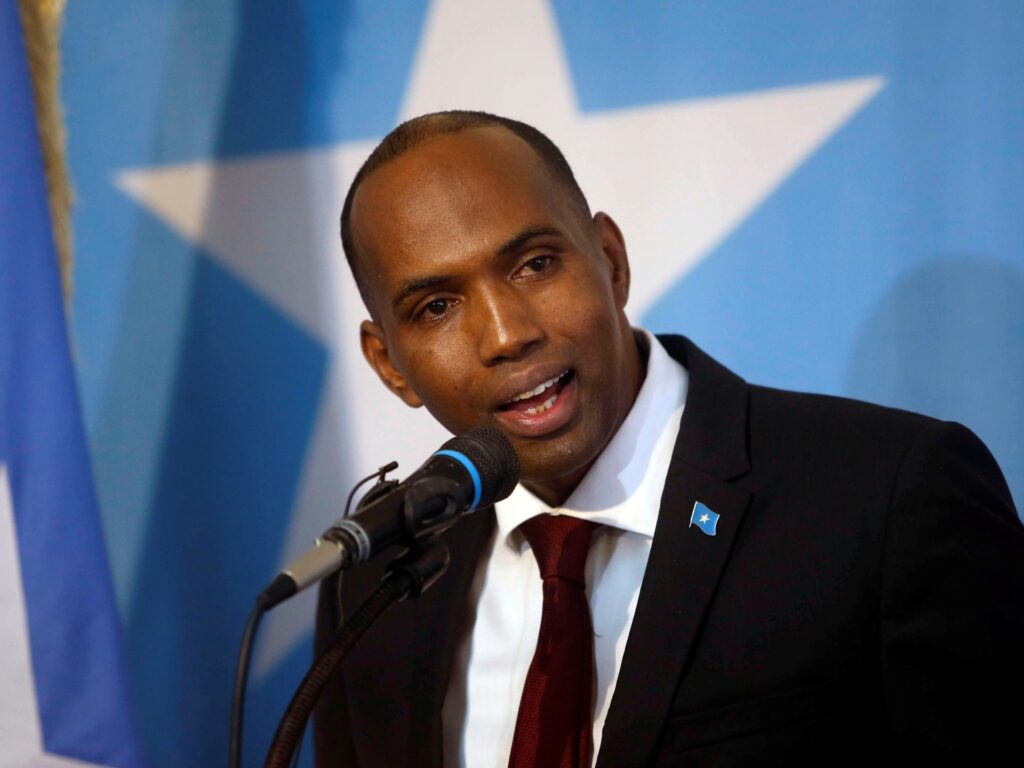
In the capital city of Somalia, Mogadishu, gunfire broke out as tensions escalated ahead of planned antigovernment protests. The demonstrations were organized to oppose the rule of Somalia’s president and express widespread discontent with the current administration.
Former Somali Prime Minister Hassan Ali Khaire, a key figure in the opposition, accused government forces of launching an attack on him shortly before the protests were due to commence. Khaire reportedly faced aggression by security personnel aligned with the government, intensifying the volatile atmosphere in the city.
The protests were intended to be a demonstration of the public’s frustration with corruption, governance issues, and lack of progress under the president’s leadership. However, the outbreak of gunfire and confrontations in Mogadishu have raised fears of further instability in the already fragile nation.
International observers and humanitarian groups have expressed concern about the potential for violence to spiral out of control, urging all parties to exercise restraint and engage in dialogue to peacefully resolve disputes.
Somalia has been grappling with challenges such as militant insurgencies, political infighting, and economic difficulties. The recent events highlight the deepening political crisis facing the country and the urgent need for inclusive governance and reconciliation efforts.
As the situation develops, the international community continues to monitor the events closely, hoping for a peaceful resolution that respects the rights of citizens to protest while maintaining public safety.
In the wake of the gunfire incident, Somali authorities have called for calm and promised to investigate the attack on Khaire. Meanwhile, opposition groups have vowed to continue their campaign for change despite the violent setbacks.
The coming days in Mogadishu will likely be critical in determining the political trajectory of Somalia, as the government and opposition negotiate the path forward amid ongoing tensions and public unrest.