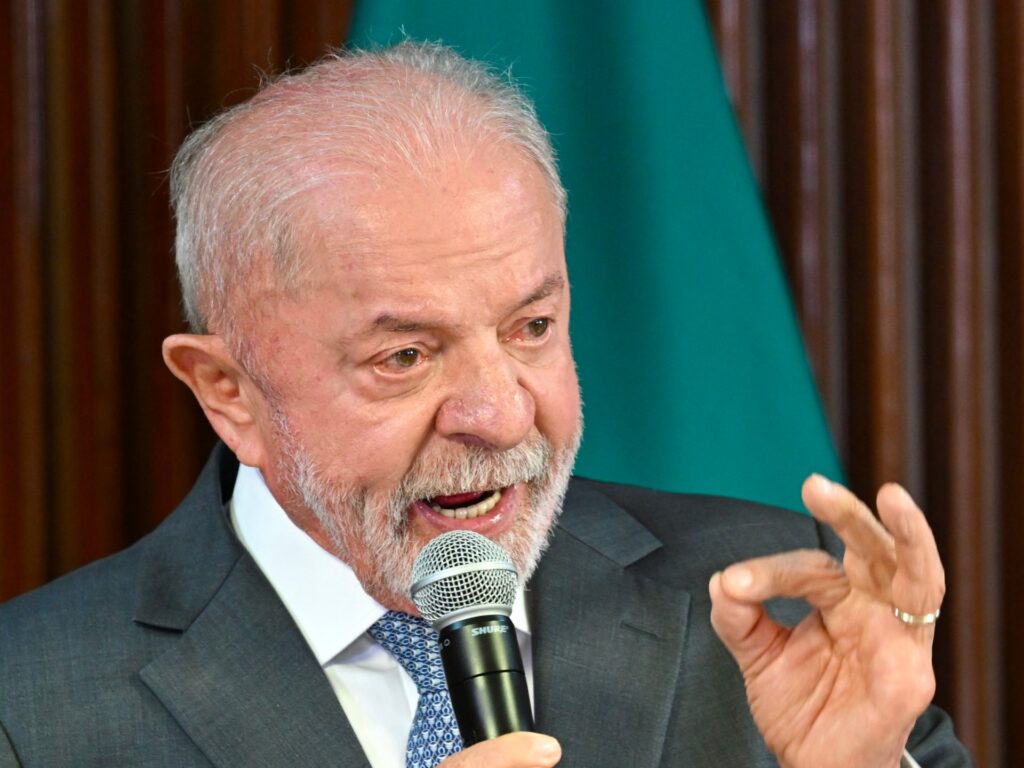
Brazilian President Luiz Inácio Lula da Silva has publicly expressed his surprise and discontent regarding the recent US proposal to impose new tariffs of 25 percent on Brazilian products. This move comes at a time when diplomatic signals appeared to indicate an improving relationship between the United States and Brazil. Lula’s reaction underscores the tension and challenges in navigating international trade policies amid shifting geopolitical landscapes.
The announcement of the tariffs caught Brazil off guard, especially given the context of recent positive diplomatic exchanges between the two countries. Brazil, as a major trading partner and key player in the global economy, expects fair and respectful treatment in trade agreements and interactions. President Lula emphasized that Brazil cannot accept being subjected to such trade barriers that could potentially harm its economy and bilateral relations.
Historically, Brazil and the United States have shared a complex economic relationship, balancing cooperation with competition in various sectors. The new 25 percent tariffs threaten Brazilian exports, particularly in agriculture and industry, areas where the nation has significant stakes and competitiveness. Analysts suggest that the tariffs could impact Brazil’s economic recovery and growth prospects, especially as the country still grapples with global economic uncertainties.
President Lula stated in a recent press conference that Brazil will not remain passive. He asserted the necessity for dialogue and negotiation to resolve the trade dispute, aiming to protect Brazilian interests without escalating tensions further. Lula’s administration may explore legal avenues and engage international trade organizations to challenge the tariffs, seeking to foster a more equitable trade environment.
The US government has not provided extensive comments on the tariff decision but indicated that the measures are part of broader trade policies intended to protect American industries. Critics argue that these tariffs could provoke retaliation, disrupt supply chains, and ultimately hurt consumers in both nations.
Observers closely monitor how this development will influence Brazil-US relations in the coming months. The two countries have shared common interests in tackling global issues such as climate change and pandemic recovery, areas where cooperation remains essential. However, trade disagreements such as the new tariffs pose significant challenges to maintaining a constructive partnership.
In summary, President Lula’s assertion that Brazil cannot accept such treatment reflects the nation’s demand for fair trade practices and respect in international dealings. The new US tariffs represent a concerning setback amid signs of warming ties, indicating that economic nationalism and protectionism continue to shape global trade dynamics. Both nations now face the task of balancing national interests with the need for collaboration in an interconnected world.”