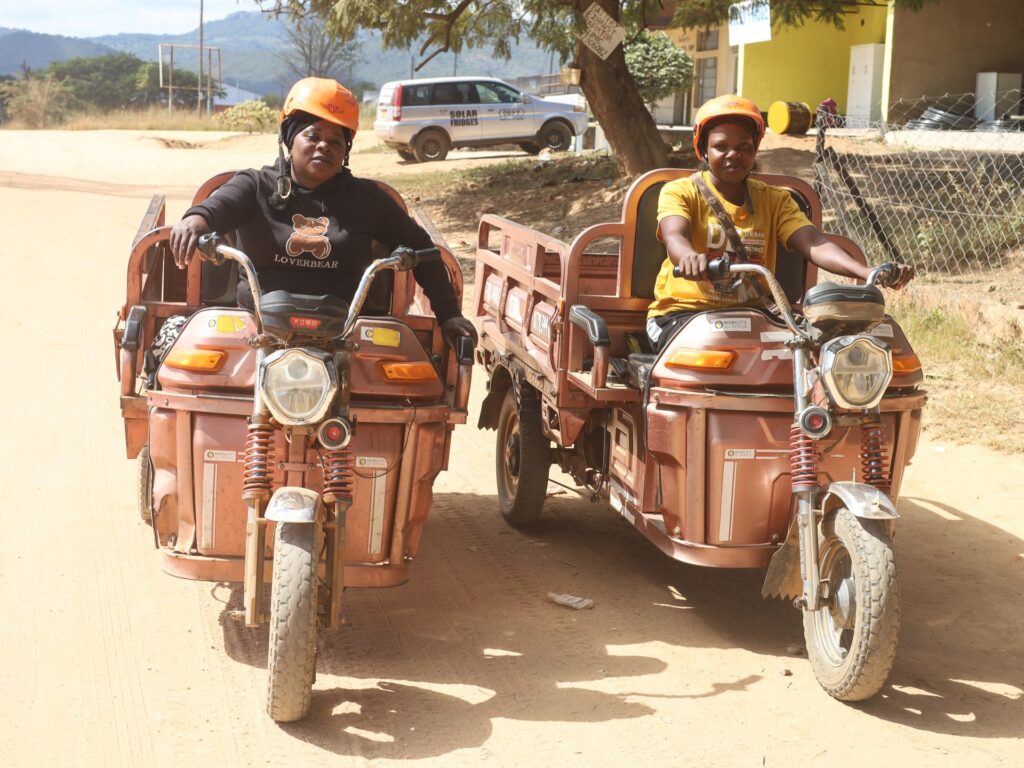
In Zimbabwe, a government initiative aimed at empowering rural women through an e-tricycle transport scheme is facing severe challenges, threatening the livelihoods of many women who depend on this income source. The e-tricycle initiative was introduced to provide rural women with a means of earning a living, enabling them to transport goods and passengers more efficiently than traditional methods. However, recent government crackdowns involving high fees, strict licensing regulations, and aggressive police enforcement are placing significant strain on the program and the women involved.
The scheme initially garnered praise for offering an innovative solution to rural employment. E-tricycles, being affordable and fuel-efficient, allowed women to operate small businesses independently. However, as the scheme expanded, authorities imposed steep licensing fees and complex bureaucratic requirements, making compliance difficult for many rural operators.
Many women report that the new regulations have led to frequent fines and confiscations of their vehicles by police. Enforcement appears to be stringent, with officers conducting regular checks and penalizing those without proper documentation or who do not meet new operational standards. These measures disproportionately affect rural women, many of whom have limited access to financial resources and legal assistance.
Transportation experts and advocacy groups argue that the crackdown undermines the economic empowerment efforts targeted at women in rural Zimbabwe. They emphasize that easing regulatory burdens and offering subsidized licenses could sustain the benefits of the e-tricycle initiative.
Women operators also highlight safety concerns arising due to the crackdown. Some have resorted to unsafe practices to avoid penalties, while others have seen their income dry up, affecting their families and communities’ well-being.
The Zimbabwean government maintains that the regulations are necessary to ensure road safety, proper vehicle standards, and formalization of informal transport services. Still, critics call for a balanced approach that supports rural economic development without compromising road safety.
As the debate continues, rural women involved in the scheme face uncertain futures. The e-tricycle initiative, once a beacon of hope for economic independence and mobility, now risks collapse due to regulatory pressures. Stakeholders urge dialogue between authorities and community leaders to find solutions that protect both public safety and rural livelihoods.
In conclusion, Zimbabwe’s e-tricycle crackdown presents a complex challenge. While regulation and safety cannot be overlooked, it is crucial to consider the livelihoods of rural women who depend on this vital economic activity. Sustainable solutions will require cooperation, flexibility, and targeted support to preserve the gains made through the e-tricycle scheme and ensure a better future for Zimbabwe’s rural communities.