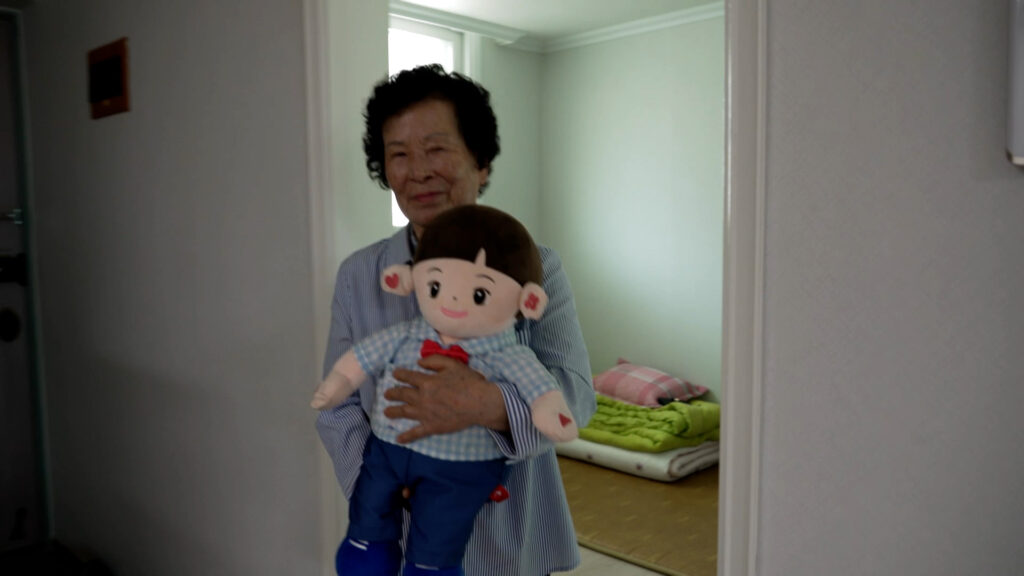
South Korea is pioneering an innovative approach to address the growing issue of loneliness among its ageing population by deploying AI-powered companion dolls. As one of the countries with the fastest ageing demographics, South Korea faces a significant challenge: many elderly people live alone and suffer from social isolation, which can lead to adverse mental and physical health effects.
To combat this, South Korea is turning to technology, specifically artificial intelligence, to offer companionship and emotional support through robot companions designed as dolls. These devices are equipped with advanced AI capabilities, including speech recognition, natural language processing, and emotional response simulations, allowing them to engage users in meaningful conversations and activities.
The robot companions serve multiple functions. They can converse with seniors, helping to alleviate feelings of loneliness by providing consistent social interaction. They also help monitor the health and wellbeing of their users by reminding them to take medication, encouraging physical exercise, and alerting caregivers or family members if unusual activity is detected.
This technological intervention is particularly significant in South Korea due to its cultural context, where family structures are shifting, and traditional caregiving roles are evolving. The country’s rapid economic development and urbanization have led to smaller family units, and many elderly people find themselves living apart from their children.
Studies conducted in South Korea have shown that these AI-powered companions can improve seniors’ emotional states and reduce loneliness, enhancing their quality of life. In pilot programs, seniors reported feeling less isolated and more engaged in daily life. The dolls can tailor their interactions based on individual preferences and histories, fostering a sense of personalized care.
Despite its promise, this solution raises questions about the broader social implications of relying on robots for emotional support. Critics argue that while AI can simulate companionship, it cannot fully replace human interactions and relationships. There are also concerns about privacy, data security, and the ethical treatment of vulnerable populations.
South Korea’s government and companies are collaborating to navigate these challenges while expanding the availability of AI companion technologies. They see these robots not as replacements but as supplements to traditional care, aiming to create a more supportive environment for seniors.
The use of AI-powered companion dolls in South Korea offers a compelling glimpse into how emerging technologies can help address social problems associated with ageing populations worldwide. As the global population ages, many countries may look to similar innovations to provide emotional and practical support to their elderly citizens.
In conclusion, while AI cannot entirely cure loneliness, South Korea’s robotic companions demonstrate a promising step toward mitigating its effects by providing consistent, personalized interactions that can enrich seniors’ lives. As the technology evolves and societal acceptance grows, AI companions may become a valuable tool in the broader strategy to support mental health and wellbeing among the elderly.