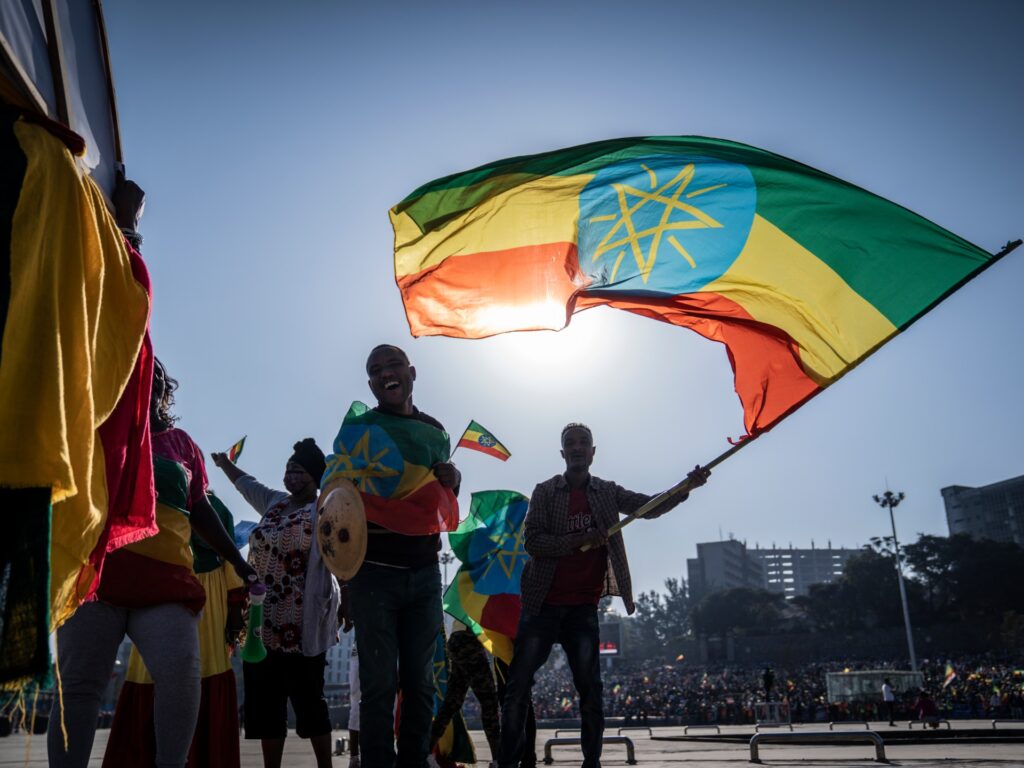
Ethiopia is gearing up for a monumental election, with over 50 million citizens registered to vote, marking one of the largest electoral exercises in the country’s history. The electorate is notably youthful, with a significant proportion of women participating, reflecting the nation’s demographic realities and growing emphasis on inclusive governance.
The election landscape in Ethiopia is composed of a diverse array of political parties and coalitions, each vying for influence and the mandate to govern. These parties represent a spectrum of ideologies, ethnic groups, and regional interests, underscoring the country’s complex social and political fabric.
Key political players include established national parties as well as emerging coalitions that have formed to challenge the status quo. The ruling party, historically dominant, faces competition from opposition groups that seek to capitalize on public demand for change and reform.
Among the contenders, youth-led movements have gained traction, mobilizing young voters who are eager for political participation and change. Women’s representation has also seen an upswing, with many female candidates standing for office, embodying the broader movement toward gender equality in Ethiopian politics.
Coalitions have become a strategic tool in Ethiopia’s political contests, with various parties joining forces to pool resources and consolidate support bases. These alliances often reflect shared policy goals or mutual interests in addressing Ethiopia’s pressing issues such as economic development, security, and social justice.
The stakes of this election are high, as the outcomes will shape Ethiopia’s domestic and regional policies for years to come. Observers note that the election’s conduct and results will be a critical barometer of the country’s democratic progress and stability.
Voter registration drives have emphasized inclusivity, targeting marginalized communities to ensure broad participation. Efforts to facilitate voting among women and young people highlight the election’s potential to be a transformative moment in Ethiopia’s history.
However, challenges persist, including logistical hurdles, security concerns, and political tensions that could impact the election’s smooth execution. International observers and domestic stakeholders are closely monitoring the situation to support a credible process.
As the election day approaches, political discourse is vibrant, with debates focusing on governance, economic strategy, ethnic relations, and the rule of law. Candidates are engaging with constituents through rallies, media appearances, and grassroots campaigns, aiming to connect with the diverse electorate.
The election is not only a political event but a reflection of Ethiopia’s aspirations for unity, development, and democratic governance. The involvement of youth and women underscores a hopeful trend toward more representative and participatory politics.
In conclusion, Ethiopia’s upcoming election is a pivotal moment characterized by a broad and dynamic political environment. The participation of over 50 million registered voters, particularly the energized youth and women, signals a hopeful future for the nation’s democratic journey. The interplay of parties, coalitions, and candidates will shape the trajectory of Ethiopia’s political landscape in the years ahead.