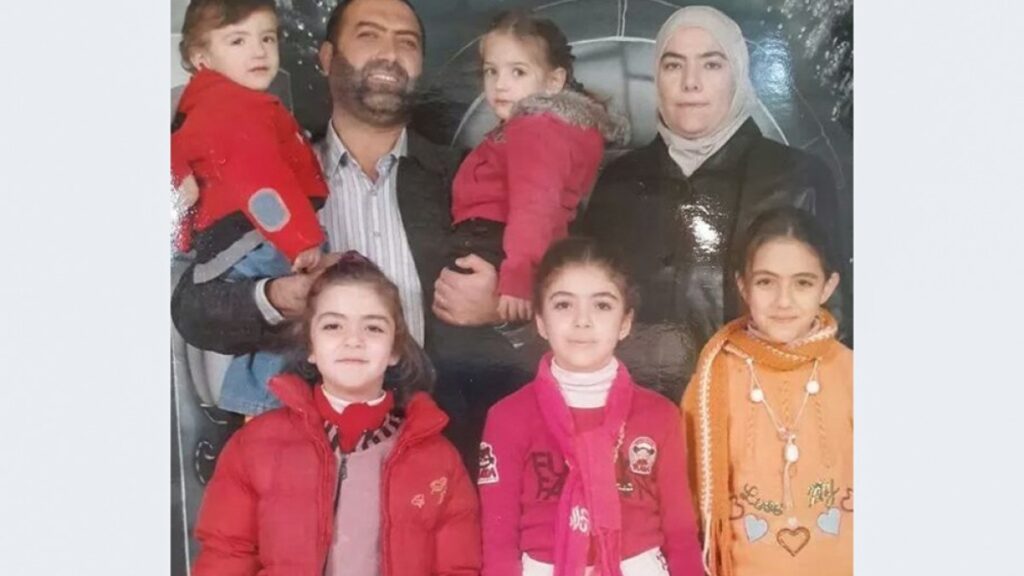
In a tragic revelation, Syrian authorities have confirmed the deaths of the six children of Rania al-Abbasi, a prominent Syrian chess champion. The children had been missing since 2013, during a turbulent period under President Bashar al-Assad’s regime, which has been marked by conflict and widespread human rights abuses.
Rania al-Abbasi, known for her exceptional skills in the game of chess, has been a symbolic figure in Syria. Her family’s disappearance occurred amid rising violence and political unrest that has shattered the lives of countless Syrian families.
The Syrian commission responsible for investigating missing persons during the ongoing conflict reported that evidence indicates her children are likely deceased. Details surrounding the circumstances of their disappearance and subsequent deaths remain scarce, but the confirmation brings a somber acknowledgment to a long-standing mystery.
Since 2013, various reports from human rights organizations have pointed to the fate of many missing individuals in Syria, particularly those suspected of dissent or connected to notable figures. The Assad regime has frequently been accused of enforced disappearances and detentions.
Al-Abbasi’s case highlights the personal tragedies embedded within the broader Syrian crisis. The loss of her children is not only a devastating blow to her family but also serves as a grim reminder of the human cost of war and authoritarian governance.
Chess circles worldwide have expressed their condolences and support for al-Abbasi, recognizing her contribution to the sport and the struggles she has endured. International chess federations and community members have called for greater scrutiny of human rights violations in Syria.
The confirmation from Syrian authorities underscores the ongoing challenges faced by families seeking truth and justice for their loved ones in the war-torn country. It also raises urgent questions about accountability and the protection of civilians amidst prolonged conflict.
As the Syrian conflict continues into its second decade, the story of Rania al-Abbasi and her children remains a poignant example of the widespread suffering and unresolved tragedies. The chess champion’s legacy, marked by both her achievements and her personal loss, embodies the resilience and heartbreak experienced by many Syrians.
The international community continues to monitor the situation, advocating for humanitarian intervention and support for victims of the conflict. Efforts to document and address the fate of missing persons in Syria remain a critical component of the broader quest for peace and reconciliation in the region.