The recent outbreak of the Bundibugyo strain of Ebola has raised significant concerns within the global health community due to its high fatality rate, which can reach up to 50 percent. Unlike more studied strains of Ebola, such as Zaire and Sudan, the Bundibugyo strain currently lacks an approved vaccine, posing a formidable challenge to disease containment and prevention efforts.
Ebola virus disease is a severe, often fatal illness in humans, caused by infection with a virus from the Filoviridae family. The virus spreads through direct contact with bodily fluids of infected individuals or contaminated objects. Past outbreaks have highlighted the critical role vaccines play in controlling the spread and mitigating the impact of this deadly virus.
Vaccine development for Ebola has historically been focused on the Zaire strain, most notably with the approval of the rVSV-ZEBOV vaccine, which has been effective in controlling outbreaks in central Africa. However, the Bundibugyo strain presents unique genetic and antigenic properties that differ from those of Zaire and Sudan strains, making the direct application of existing vaccines ineffective.
Current research efforts are underway to develop vaccines tailored specifically for the Bundibugyo strain. Preclinical studies and early-phase clinical trials are exploring various vaccine platforms, including viral vectors, protein subunits, and mRNA technologies. These approaches seek to elicit a robust immune response targeting the distinct antigens of the Bundibugyo virus.
The timeline for developing and approving a vaccine for the Bundibugyo strain depends on multiple factors, including successful demonstration of safety and efficacy in clinical trials, manufacturing capabilities, and regulatory approvals. Typically, vaccine development can take several years; however, accelerated programs, especially amid public health emergencies, may shorten this timeline.
International health organizations such as the World Health Organization (WHO) and Centers for Disease Control and Prevention (CDC) have prioritized funding and collaborative research to address this urgent need. Additionally, expanding genomic surveillance and virus characterization are critical to informing vaccine design and monitoring outbreak dynamics.
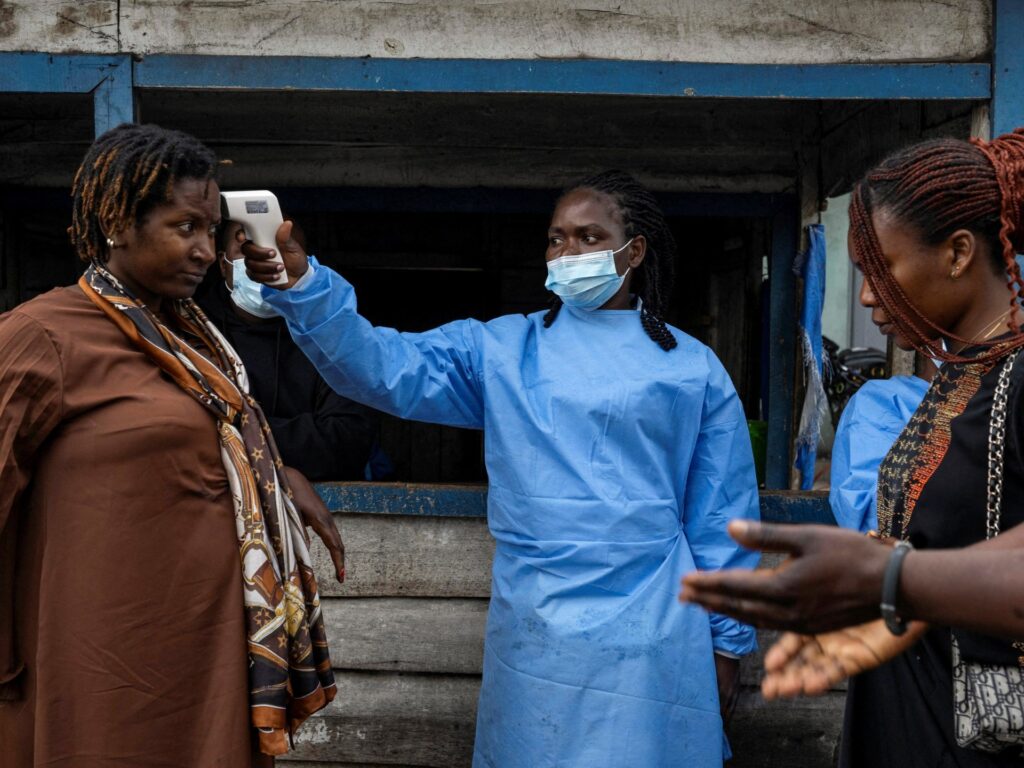
Public health measures remain the frontline defense against Ebola outbreaks. These measures include contact tracing, quarantine, public awareness campaigns, and strengthening healthcare infrastructure, which are essential until an effective vaccine is widely available.
In conclusion, while there is not yet an approved vaccine for the Bundibugyo strain of Ebola, ongoing scientific efforts offer hope for a future preventive solution. Continued investment in research, international collaboration, and swift public health responses are imperative to control the current outbreak and prevent future epidemics of this formidable virus.