The recent indictment of former Cuban President Raul Castro by the United States has stirred significant reactions among Cubans both within Havana and in Miami. This development marks an intense chapter in the already complex relationship between Cuba and the United States.
In Havana, the response was a mixture of skepticism, defiance, and concern. Many citizens expressed disapproval of the US government’s decision, viewing the indictment as a politically motivated act designed to undermine Cuban sovereignty and destabilize the country’s leadership. Some analysts in the capital suggested that the charges could further strain the relationship between the two countries, potentially attracting more US sanctions and isolation for Cuba.
Pent-up frustrations over economic hardships, exacerbated by decades of US embargoes and current international pressures, were also vocal in Havana. While some Cubans felt resigned to the ongoing US opposition to their leaders, others hoped that this indictment might reinvigorate domestic discussions about governance and reform.
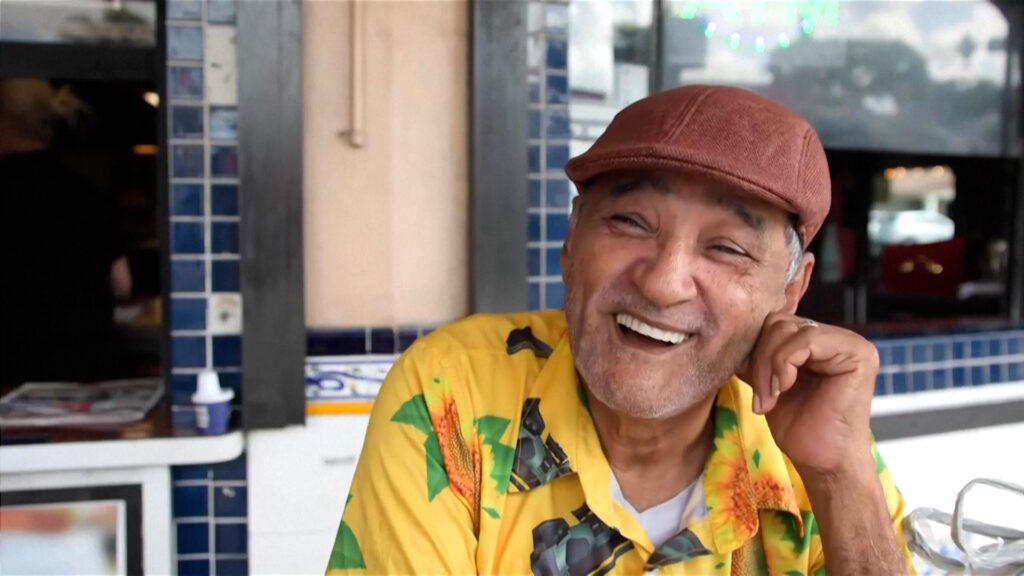
In contrast, the Cuban community in Miami, which often holds strong anti-Castro views due to the history of exile and political conflict, largely welcomed the indictment. Many in Miami see it as a long-overdue legal reckoning for a leader they associate with human rights abuses and repression during his time in power.
Leaders of Cuban exile groups expressed optimism that the indictment might lead to greater international scrutiny of Cuba’s political regime, possibly accelerating political change on the island. Demonstrations and rallies were organized in Miami, reinforcing calls for justice and democracy as well as for continued pressure on the Cuban government.
Experts highlight that this split in reaction between Havana and Miami reflects the enduring division among Cubans regarding their political future and the approach towards engaging with the US. While Havana emphasizes sovereignty and resistance to US intervention, Miami prioritizes accountability and change.
The indictment of Raul Castro also revives debates about the historical role of the Castro family in Cuba’s political landscape and their legacy, touching on themes of freedom, repression, nationalism, and external influence.
As the international community watches closely, the situation underscores the sensitivity and complexity of Cuban-US relations and highlights the ongoing tensions that continue to shape the lives of Cubans on both sides of the Florida Strait. Observers anticipate that developments related to this indictment could influence diplomatic efforts, economic sanctions policies, and human rights dialogues in the months and years ahead.
For now, Cubans remain divided in their responses, reflecting the multifaceted nature of their identity, history, and hopes for the future.