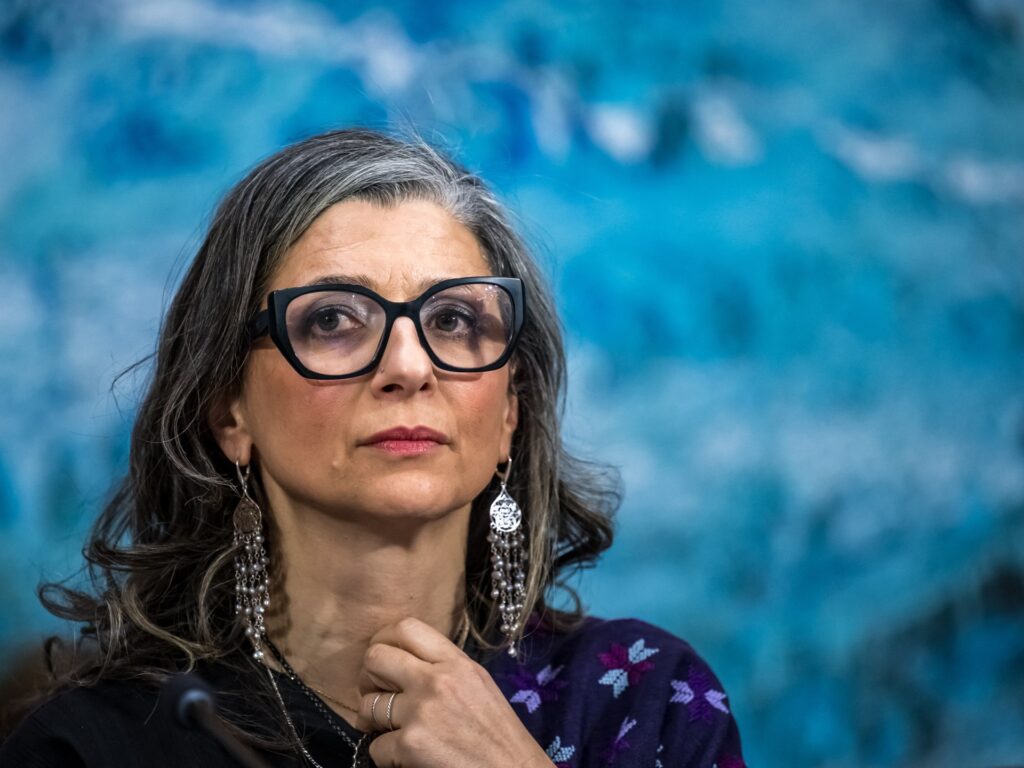
A federal judge has issued a temporary block on the sanctions imposed by the Trump administration against Francesca Albanese, a United Nations special rapporteur. The sanctions, which had been placed during the previous administration, targeted Albanese amid controversies surrounding her work in the UN. Francesca Albanese, known for her contributions as a UN expert, has faced significant challenges due to these punitive actions.
The legal intervention comes as a relief to Albanese and international observers, as it halts the enforcement of the sanctions while further review takes place in the courts. The sanctions were viewed by many in the international community as controversial, raising concerns about the independence and protection of UN officials and experts.
Details of the court’s ruling emphasize the importance of safeguarding international human rights experts from punitive government measures that may interfere with their duties. The judge’s decision highlights vital issues about the separation of powers and the conduct of foreign policy by the executive branch.
Francesca Albanese has been actively involved in various human rights investigations and reports under the auspices of the United Nations. The sanctions against her had included restrictions that impacted her ability to travel and interact freely on the international stage, which in turn affected her professional responsibilities.
The Trump administration’s move to sanction Albanese was criticized by human rights advocates who viewed the action as politically motivated. The blocking of these sanctions by the judge underscores a judicial check on such executive decisions.
This temporary block is expected to lead to more detailed judicial scrutiny of the merits of the sanctions and their justification. Albanese’s case exemplifies ongoing tensions between US foreign policy actions and the operations of international human rights mechanisms.
As the situation develops, there is widespread attention on how the US judiciary will balance national interests with the principles of international cooperation and the protection of global human rights defenders. The ruling is a significant event for the United Nations and its experts, with potential implications for how similar cases are handled in the future.
Francesca Albanese continues her work with the United Nations, supported by the temporary injunction from the judiciary. The international community remains watchful as this legal matter unfolds, highlighting the critical role of courts in maintaining checks and balances in matters of foreign policy and international law.