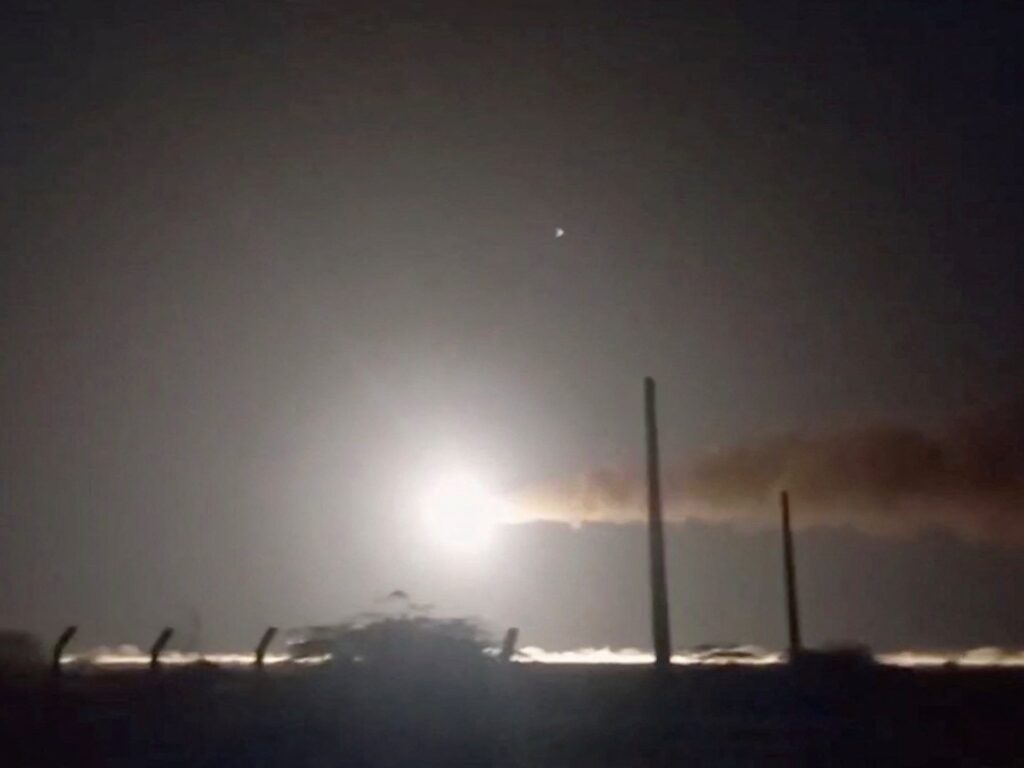
The Gulf region, specifically near the Strait of Hormuz, has witnessed renewed tensions following a recent clash between US and Iranian forces. This confrontation comes despite a ceasefire agreement that has been in effect since April 8, underscoring the fragile nature of peace efforts in this volatile region. The ongoing dispute highlights the complexities and dangers that continue to surround US-Iran relations.
The Strait of Hormuz is a strategically vital waterway, through which a significant portion of the world’s petroleum supply is transported. Control over this chokepoint has always been of global interest, and any conflict here has far-reaching implications for international energy markets and geopolitical stability. The clash has once again brought international attention to the potential risks associated with tensions between the two powers.
Since the ceasefire was established, efforts to negotiate a comprehensive peace deal have stalled, with both the US and Iran maintaining divergent stances on key issues. The ceasefire has prevented open warfare, yet hostile actions and provocations persist, creating an atmosphere of uncertainty and mistrust.
Experts suggest that the clash might be a signal from either side reflecting dissatisfaction with the current status quo or a tactic aimed at leveraging negotiations. The exact details of the incident are yet to be fully disclosed, but it reportedly involved military assets operating in the sensitive waters near Hormuz.
The US has expressed concerns over Iran’s continued military activities in the region, accusing Tehran of threatening freedom of navigation and destabilizing the security framework of the Gulf. Iran, on the other hand, views its actions as defensive measures necessary to protect its sovereignty against perceived US aggression and interference in regional affairs.
This incident further complicates the already challenging diplomatic landscape. Both sides face domestic pressures and regional allies who influence the peace process. Negotiations are hampered by deep-rooted mistrust, differing international alliances, and conflicting geopolitical interests.
The significance of this clash lies not only in the immediate tactical outcomes but also in its potential to derail ongoing diplomatic efforts. Failure to reach a durable peace agreement could escalate into more severe conflicts, involving regional and possibly global actors.
The international community remains vigilant, urging restraint and encouraging dialogue between the US and Iran. Global powers and neighboring countries have a vested interest in maintaining stability in the Gulf, given the economic and security stakes involved.
In conclusion, the US-Iran clash in Hormuz highlights the precarious state of affairs a month after the ceasefire. Without a mutual peace agreement, the risk of escalation remains high, making the peaceful resolution of their disputes a critical priority for regional and global stability.