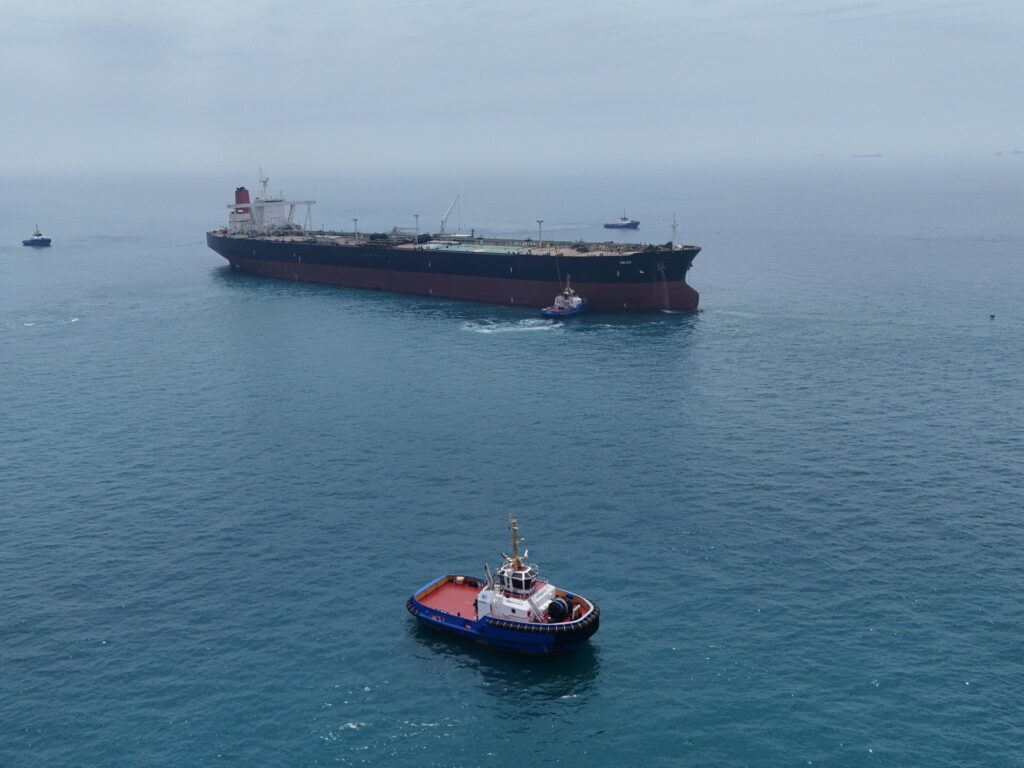
The United States has imposed sanctions on Iraq’s Deputy Oil Minister in a move that highlights the ongoing tensions surrounding Iran’s oil trade. The US Treasury Department announced the sanctions against the Iraqi official, accusing him of facilitating Iranian oil sales that bypass international restrictions.
This action comes amid broad US efforts to enforce sanctions on Iran, aiming to curb the nation’s ability to export oil and fund its activities that the US considers destabilizing in the region. The sanctions specifically target individuals and entities that help Iran avoid legal restrictions on its oil exports.
According to US officials, the Iraqi Deputy Oil Minister played a crucial role in aiding Iranian oil shipments and transactions that circumvent sanctions. This included coordinating with Iranian companies and using Iraqi infrastructure to move the oil on the global market undetected.
The US Treasury highlighted that the deputy minister’s actions undermine the integrity of international sanctions regimes and contribute to Iran’s ongoing efforts to bypass economic restrictions.
Iraq has traditionally been an important player in the oil market, and its cooperation or resistance in sanction policies is significant for regional geopolitics. While Iraq maintains diplomatic relations with both the US and Iran, this incident underscores the complex balance Baghdad must navigate.
The sanctions include asset freezes and travel bans, limiting the deputy minister’s ability to engage in international financial and commercial activities. This move sends a message to other officials and entities that may be involved in similar activities.
Experts point out that enforcing sanctions is a challenging task due to the sophisticated methods Iran and its partners employ to evade restrictions. These include using front companies, alternate shipping routes, and falsifying documents.
The Biden administration has reiterated its commitment to preventing Iran from exploiting loopholes in sanctions while pursuing diplomatic negotiations on nuclear and regional security issues.
The Iraqi government has yet to issue an official response to the sanctions. However, this development may prompt Baghdad to reassess its policies and cooperation with the US regarding enforcement of sanctions against Iran.
This sanction episode illustrates the broader struggle over oil resources and political influence in the Middle East. The US aims to limit Iran’s financial capabilities to ensure stability, while Iran relies heavily on oil revenues for its economy.
In summary, the US targeting of Iraq’s Deputy Oil Minister for allegedly assisting Iran raises important questions about the enforcement of sanctions, regional alliances, and the ongoing geopolitical contest in the Middle East. The effectiveness of such sanctions often depends on international cooperation and vigilant monitoring of illicit trade practices. The coming months will likely reveal how Baghdad responds and whether these measures will significantly impact Iran’s oil exports.