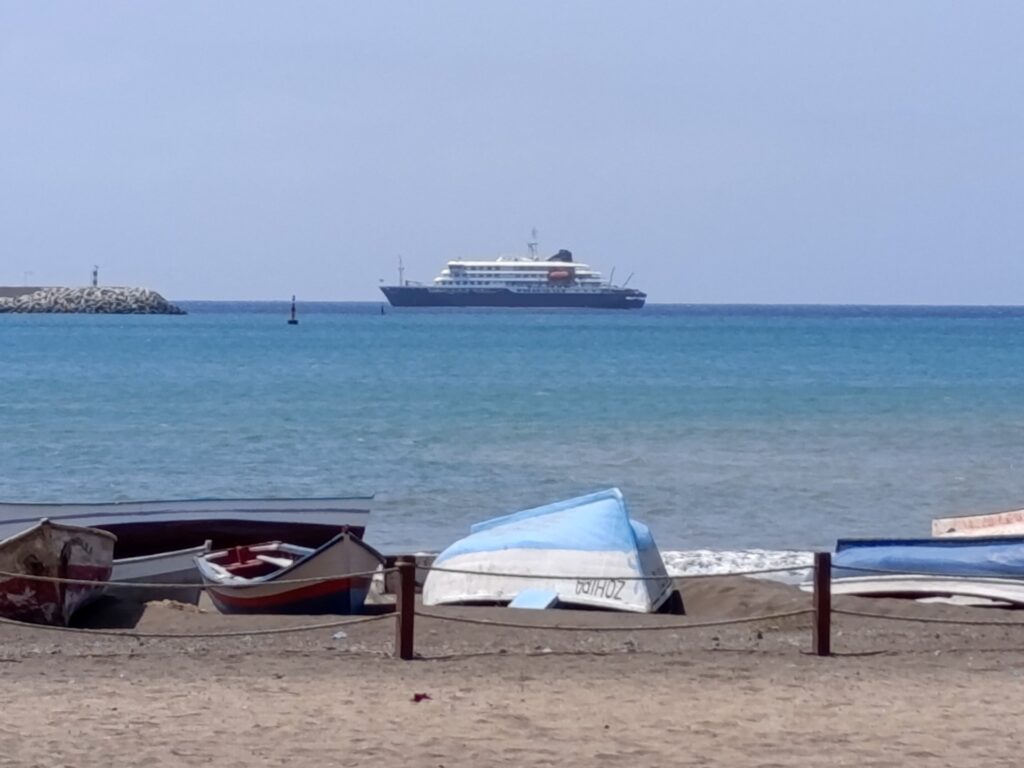
In a recent development in the ongoing health crisis at sea, three individuals were evacuated from a cruise ship currently sailing in the Atlantic Ocean after an outbreak of hantavirus was detected onboard. This comes as a tragic backdrop to the deaths of three other passengers who succumbed to the rare and often deadly disease.
The cruise ship, which had been en route and scheduled to dock at the Canary Islands, has been denied entry by the local authorities. This refusal is primarily a precautionary measure aimed at preventing the potential spread of the virus to the island population, as hantavirus is known for its serious respiratory symptoms and potential fatality.
The evacuation took place under tight health and safety protocols, with medical personnel on standby to offer immediate treatment and quarantine to those affected. The three evacuated individuals are receiving intensive care and being monitored for any further complications arising from the disease.
Hantavirus is a respiratory disease transmitted mainly through rodents, often carried by their urine, droppings, or saliva. The virus can be especially dangerous when contracted in close quarters like a cruise ship, where an outbreak can quickly escalate due to the confined environment and shared facilities.
Officials from the cruise line have expressed their commitment to cooperating fully with health authorities and have issued a statement emphasizing the health and safety of passengers and crew as their utmost priority. The cruise line is also collaborating with international health organizations to manage the situation and prevent further cases.
The incident has raised concerns across the cruise industry, highlighting the ongoing challenges of managing infectious diseases on ships. It underscores the importance of rigorous health checks, improved sanitation measures, and rapid response to any health emergencies aboard such vessels.
Meanwhile, the families of those who died have been offered support and condolences as investigations continue to understand the outbreak’s circumstances. Health experts are also urging travelers who have recently disembarked from the ship to seek medical attention if they experience symptoms associated with hantavirus, including fever, muscle aches, and respiratory difficulties.
The Canary Islands’ decision to refuse docking reflects the broader public health priority to contain infectious diseases and protect public safety, even as it raises issues around the rights and wellbeing of travelers trapped at sea.
This incident is a sobering reminder of the risks posed by infectious diseases in confined and mobile populations, driving home the need for continual vigilance and preparedness in the global effort to combat such outbreaks.