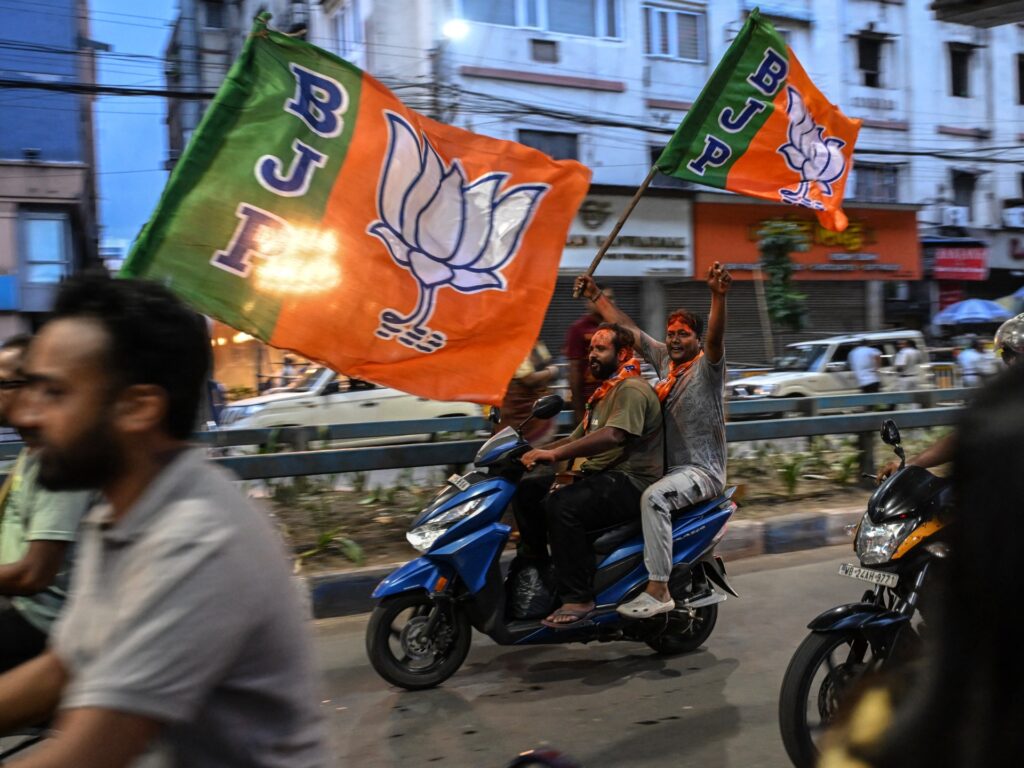
India’s eastern state of West Bengal has been engulfed in unrest following the state election, where Prime Minister Narendra Modi’s Hindu nationalist party, the Bharatiya Janata Party (BJP), won for the first time. The victory marks a significant political shift in the region, traditionally dominated by other political forces.
The election results have triggered violent clashes and disturbances across the state, leading to the deaths of four individuals. The violence erupted as tensions flared between supporters of the BJP and rival political factions, exacerbating communal and political divisions within the state.
West Bengal, known for its vibrant political culture and history of contentious elections, has witnessed sporadic violence before, but the recent post-election period has been particularly volatile. The BJP’s breakthrough victory challenges the long-standing influence of the Trinamool Congress (TMC), led by Mamata Banerjee, who had been the chief minister for over a decade.
The BJP’s win is seen as a major development in Indian politics, signaling the expanding reach of the party beyond its traditional strongholds in northern and western India. The party’s Hindu nationalist ideology has gained traction in various regions, including West Bengal, which has a diverse population with complex social dynamics.
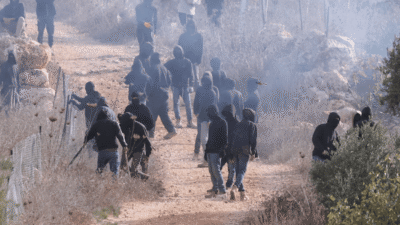
The immediate aftermath of the election has been marred by riots, attacks on political workers, and disruptions to public order. Eyewitnesses report clashes involving mobs armed with sticks and stones, with violence spreading through both urban and rural areas.
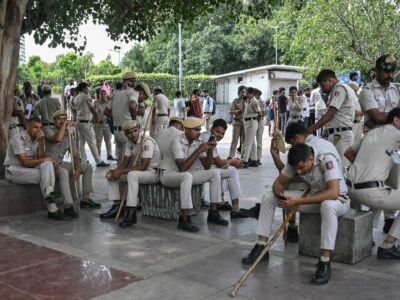
Authorities have deployed additional security forces to restore calm and enforce curfews in the worst-hit localities. Police reports note multiple injuries and widespread property damage, further complicating the post-election scenario.
Political leaders from various parties have condemned the violence and called for peace and restraint. The central government has appealed for maintaining law and order and emphasized the democratic nature of the election process.
Civil society groups and human rights organizations have expressed concern over the loss of life and urged for thorough investigations into the incidents to hold perpetrators accountable. They have called for dialogue and reconciliation efforts to heal the communal and political rifts that the election has intensified.
The BJP’s victory in West Bengal adds to the party’s growing political dominance nationwide but simultaneously presents significant governance challenges in managing a deeply divided populace.
As the state grapples with the aftermath of the election, the coming weeks will be critical in determining whether peace can be restored and the political transition can proceed without further bloodshed.
The West Bengal government and the central authorities are under pressure to act swiftly to prevent escalation, provide aid to affected families, and revive trust among communities.
Analysts suggest that the post-election violence reflects broader societal tensions in India related to identity, religion, and political affiliation, themes that have been increasingly pronounced under the BJP’s tenure.
The situation in West Bengal is being closely monitored by national and international observers, highlighting the importance of stability in one of India’s most politically significant states.
In conclusion, the post-election violence following the BJP’s historic win in West Bengal represents a critical juncture for the state’s political and social landscape. The incident underscores the need for concerted efforts towards peace, inclusive governance, and respect for democratic processes to ensure a harmonious future for all citizens of the region.