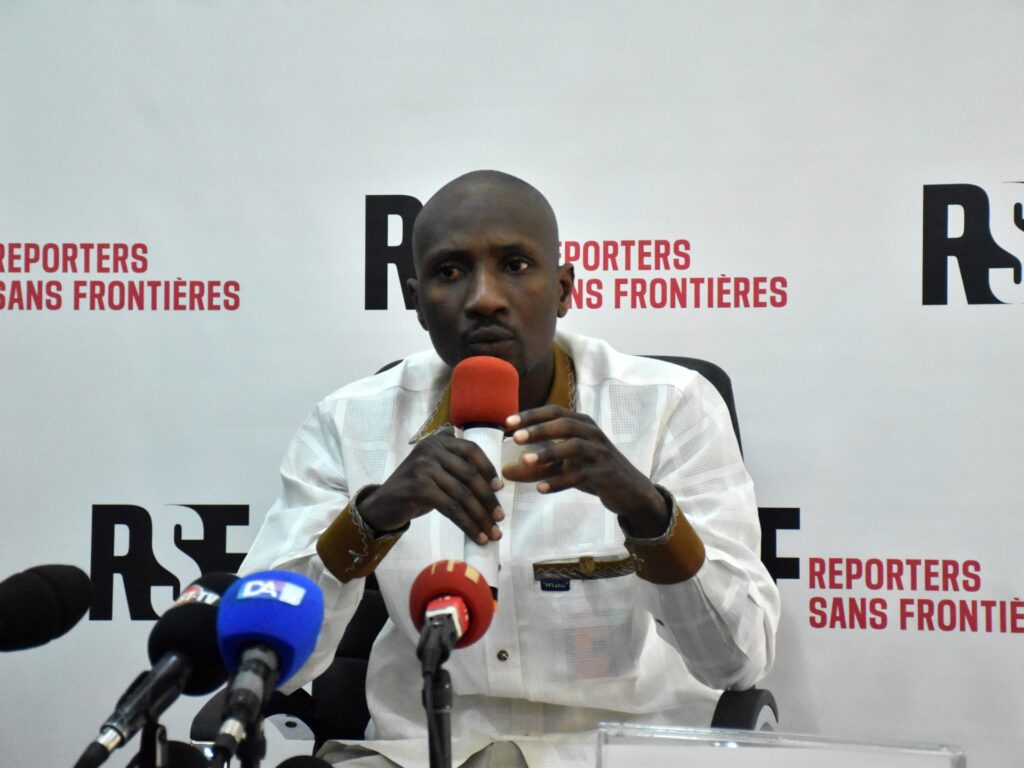
In a concerning development for press freedom, Burkina Faso authorities have been accused of secretly detaining a prominent journalist, Atiana Serge Oulon. Reporters Without Borders (RSF), an international organization dedicated to defending journalists and freedom of information, has conducted an investigation that reportedly found Oulon being held at a villa in Ouagadougou, the country’s capital. This finding starkly contradicts the official account provided by Burkinabe authorities, who had either denied or not acknowledged the detainment.
Atiana Serge Oulon is a well-known figure in Burkina Faso’s media landscape, recognized for his investigative work and critical reporting on governance and human rights issues within the country. The unexpected disappearance raised alarms among media watchdogs and civil society organizations, triggering calls for transparency and immediate access to the journalist.
The investigation by RSF involved on-the-ground inquiries and gathered testimonies that led to the discovery of Oulon’s presence in the private residence under government control. This revelation questions the credibility of the official statements and has sparked widespread condemnation from human rights advocates both within Burkina Faso and internationally.
Burkina Faso has experienced political instability and security challenges in recent years, with periodic crackdowns on dissent and restrictions placed on journalists and civil liberties under the guise of maintaining national security. This case adds to growing concerns about the erosion of press freedoms in the country.
International bodies and press freedom organizations have called upon Burkina Faso’s government to clarify the circumstances of Oulon’s detention, to respect legal norms, and to ensure that the journalist is granted due process and protection. They emphasize the necessity of upholding democratic principles, including the right of journalists to operate without fear of arbitrary arrest or secret detention.
This incident underscores the fragility of press freedom in regions facing political and security turmoil. Journalists play a critical role in holding power to account, and their safety is fundamental to the functioning of a free society. The global community continues to watch Burkina Faso closely as it navigates the tensions between security concerns and the protection of fundamental human rights.
The case is yet another reminder of the risks journalists face and the importance of constant vigilance and advocacy to defend freedom of expression worldwide. The calls for immediate action and transparent investigation aim to ensure that justice is served and that similar violations do not recur, safeguarding the vital role of the media in democracy.