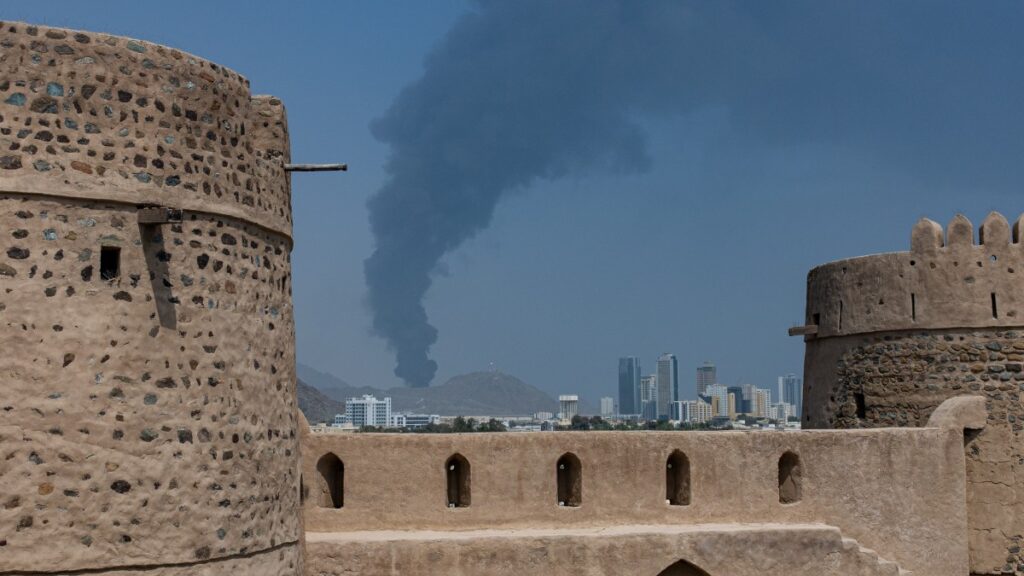
On Monday, the UAE’s Fujairah was hit in what could potentially mark Iran’s first attack on the United Arab Emirates since the US-Iran ceasefire came into effect on April 8. This incident carries significant geopolitical implications, signaling a potential shift in regional dynamics and raising concerns about the stability of the ceasefire agreement.
Fujairah, located on the eastern coast of the UAE along the Gulf of Oman, is strategically important due to its proximity to one of the world’s busiest shipping lanes. It is a critical hub for maritime trade and energy transportation, making any attack on the area highly disruptive not only to the UAE but to global markets as well.
If the attack is confirmed to have been carried out by Iran, it would mark a stark escalation in tensions between Tehran and the UAE, a close ally of the United States. The ceasefire, established on April 8, aimed to de-escalate hostilities and foster dialogue among regional players. An Iranian attack would undermine these efforts and could potentially provoke retaliatory measures or a broader conflict.
The attack also highlights the fragile nature of peace in the Middle East, where local conflicts often intersect with international interests. Iran’s purported action could be interpreted as a message to the US and its allies about Tehran’s willingness to assert itself even within the bounds of a ceasefire.
Furthermore, the incident raises questions about the efficacy of the ceasefire mechanisms and the commitment of involved parties to uphold the agreement. It may prompt renewed diplomatic engagement, with regional and international actors seeking to prevent further escalation and maintain stability in the Persian Gulf and surrounding areas.
In summary, the hit on Fujairah is significant as it potentially represents Iran’s first aggressive move against the UAE since the ceasefire, threatening the fragile peace and impacting regional security and global trade routes. The aftermath of this incident will likely shape future diplomatic and military strategies in the Middle East.