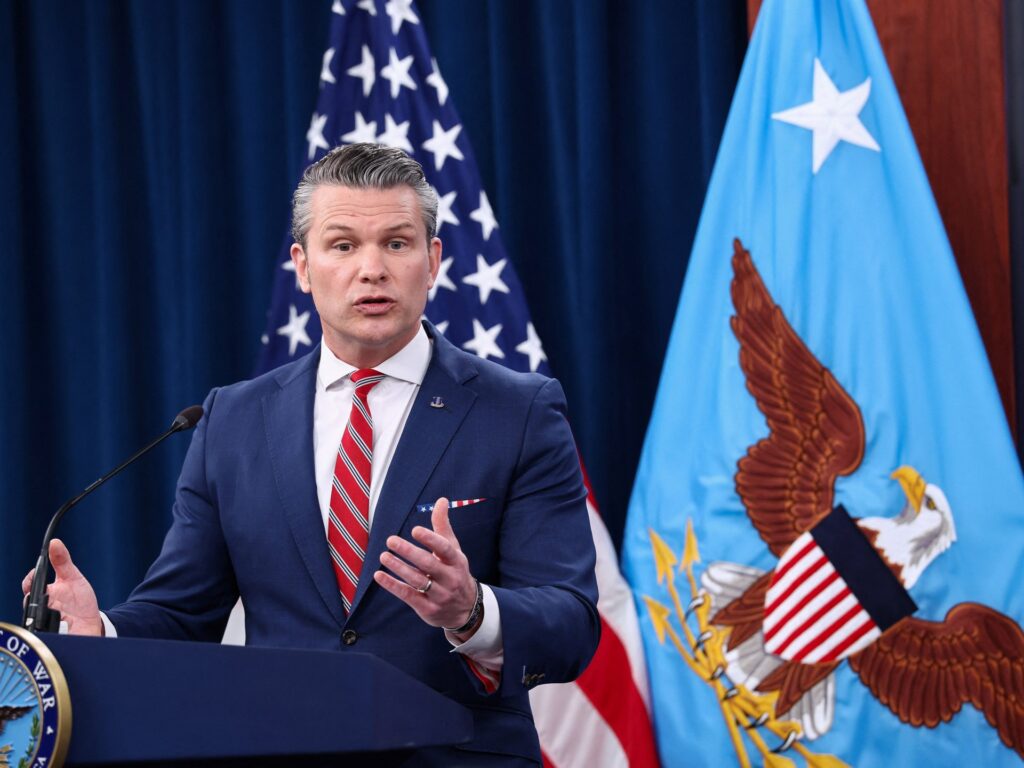
Recent tensions in the strategic Strait of Hormuz have cast a spotlight on the fragile stability between the US and Iran. However, Pentagon chief Hegseth has reassured that the ceasefire between the two nations remains intact despite the ongoing standoff. This development comes amidst heightened military vigilance and political unease in the region.
The Strait of Hormuz, a crucial maritime chokepoint for global oil shipments, has historically been a hotspot for geopolitical disputes. The US and Iran have frequently found themselves at odds due to conflicting interests and longstanding hostilities. Recent incidents in the strait raised alarms worldwide, prompting the US to take proactive measures to enhance security.
A key statement from a Trump administration aide revealed that the US has established a security “dome” over the waters of the Strait of Hormuz. This security zone is designed to protect maritime traffic and prevent any hostile actions that could escalate into broader conflict. Despite this protection, however, marine traffic in the strait remains stalled, reflecting both cautious navigation by commercial vessels and ongoing diplomatic tensions.
Pentagon chief Hegseth emphasized that the establishment of the security dome is a defensive measure, signaling the US commitment to safeguarding international shipping lanes and upholding freedom of navigation. The ceasefire’s survival signifies a temporary but pivotal reduction in hostile engagements.
Experts view the situation in the Strait of Hormuz as a delicate balance. The US security dome acts as a deterrent against potential Iranian aggression but also sends a clear message of US resolve. Meanwhile, Iran’s response has been measured, avoiding overt confrontations that could disrupt the ceasefire.
The international community remains watchful, understanding that any escalation in this narrow passage could have significant repercussions on global oil prices and regional security dynamics. The US-Iran ceasefire, maintained despite the current standoff, offers a glimmer of hope for diplomacy and conflict de-escalation.
Moving forward, diplomatic channels remain essential for reducing tensions and ensuring safe passage along the Strait of Hormuz. The situation underscores the importance of continued dialogue and international cooperation in one of the world’s most strategically vital maritime corridors.
In conclusion, while the US-Iran ceasefire holds firm under the watchful eyes of Pentagon chief Hegseth, the ongoing standoff in the Strait of Hormuz reminds the world of the fragile peace and the ever-present need for vigilance and diplomacy.