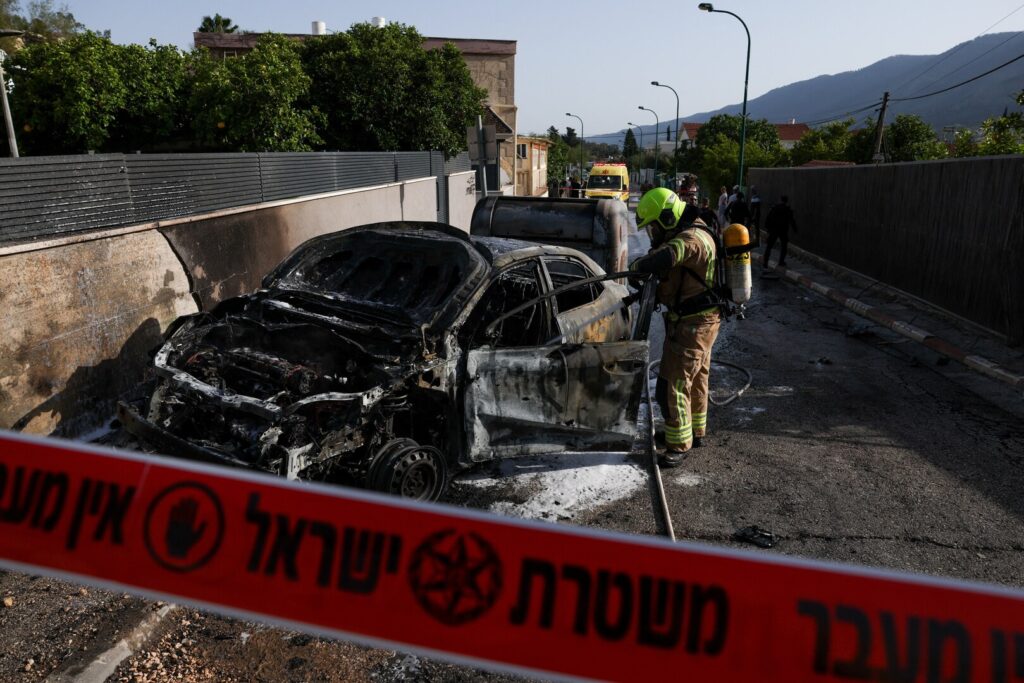
A firefighter uses an hose at an impact site, in Kiryat Shmona, Israel, April 16, 2026. REUTERS/Florion Goga
In a significant development aimed at reducing tensions in the Middle East, US President Donald Trump has announced a 10-day ceasefire agreement between Israel and Lebanon. The ceasefire is scheduled to commence at 21:00 GMT on Thursday. This announcement marks an important diplomatic effort to halt hostilities and foster peace in a region long plagued by conflict.
The ceasefire comes after a period of heightened conflict between Israeli and Lebanese forces, which had escalated concerns among the international community about the possibility of a larger, more destructive war. Both parties have agreed to pause all military actions in the interest of creating a window for dialogue and potential negotiation.
President Trump played a pivotal role in brokering this agreement, working behind the scenes with both Israeli and Lebanese representatives to reach a consensus. The administration views this ceasefire as a vital step towards stabilizing the area and initiating longer-term peace talks.
Details about the specific terms of the ceasefire have not been fully disclosed, but it is understood that both sides have committed to respecting the truce and refraining from any aggressive actions during the 10-day period. International observers will likely be deployed to monitor compliance and report any violations.
The timing of the ceasefire was coordinated to begin at 21:00 GMT on Thursday, aiming to ease tensions before further potential escalations. This period of calm is expected to provide humanitarian organizations with better access to affected areas to deliver aid and support civilians who have suffered due to the conflict.
This announcement has been met with cautious optimism by global leaders and regional actors, who hope that the ceasefire could pave the way for more durable peace initiatives. The agreement also raises hope among Lebanese and Israeli civilians longing for stability and security amidst years of intermittent violence.
While the ceasefire is temporary, it signals a notable willingness by both sides to engage in peaceful resolution efforts, a crucial step given the history of animosity and conflict. Analysts suggest that successful implementation may open doors to broader discussions on resolving outstanding issues between the two countries.
The international community continues to urge both Israel and Lebanon to extend the ceasefire beyond the initial 10-day period and use this opportunity to work towards a comprehensive peace agreement. Peacekeeping forces and diplomatic envoys are expected to remain engaged in the region to support ongoing efforts.
Ultimately, the Lebanon-Israel 10-day ceasefire represents a hopeful moment in a protracted conflict, reflecting the impact of diplomatic intervention and the shared desire for peace among the peoples of the Middle East.