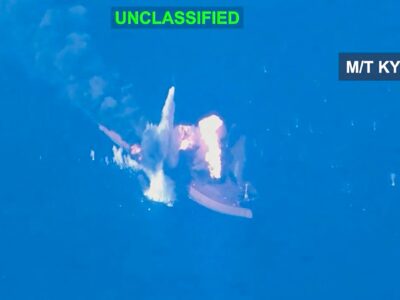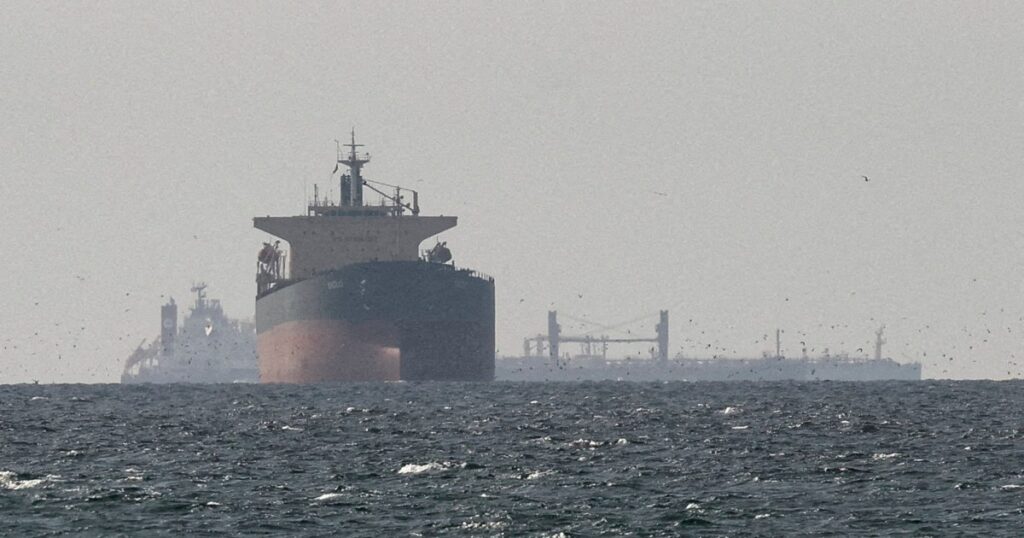
On day 46 of the ongoing US-Iran conflict, tensions have escalated as the United States enforces a strict blockade on Iranian ports, significantly impacting Iran’s trade and oil exports. This blockade represents one of the most aggressive measures taken by the US to pressure Tehran amid the protracted diplomatic standoff. The blockade aims to curb Iran’s economic capabilities and limit its influence in the region, exacerbating the already fragile geopolitical landscape.
President Donald Trump, however, has indicated that despite these stringent actions, there remains a pathway for diplomatic resolution. He expressed optimism about the possibility of Tehran engaging in negotiations to reach a deal. Trump’s statements suggest a willingness to ease tensions if Iran comes to the negotiating table with a concrete proposal.
The blockade has already caused disruptions in the global oil markets, with increased volatility and concerns over supply stability. Iran has condemned the US measures, labeling them as aggressive and unlawful under international law. Iranian officials have vowed to resist the blockade and continue their efforts to maintain their economic sovereignty.
On the diplomatic front, international actors have urged both sides to de-escalate the confrontation. The European Union and other global stakeholders have called for renewed dialogue to prevent further deterioration of relations, emphasizing the importance of diplomacy over conflict.
Amidst these developments, reports indicate heightened military alertness in the Persian Gulf region. Both US and Iranian forces remain on edge, with the potential for clashes increasing as tensions mount. The situation remains fluid, and the international community watches closely for any signs of potential breakthroughs or escalations.
Economic sanctions continue to weigh heavily on Iran’s economy, affecting various sectors including banking, energy, and trade. The blockade compounds these challenges, leading to shortages and increased hardship for the Iranian population. Despite this, Iran’s leadership continues to rally domestic support against what they describe as foreign aggression.
Cybersecurity concerns have also emerged, with reports of increased cyberattacks targeting critical infrastructure in both countries. This dimension of the conflict underscores the multifaceted nature of modern warfare, extending beyond conventional military engagements.
The situation on day 46 underscores the precarious state of US-Iran relations, characterized by a mix of aggressive posturing and tentative diplomatic outreach. The coming days will be critical in determining whether the conflict escalates into open hostilities or moves towards a negotiated settlement. International observers remain hopeful for a peaceful resolution but brace for the uncertainties ahead.