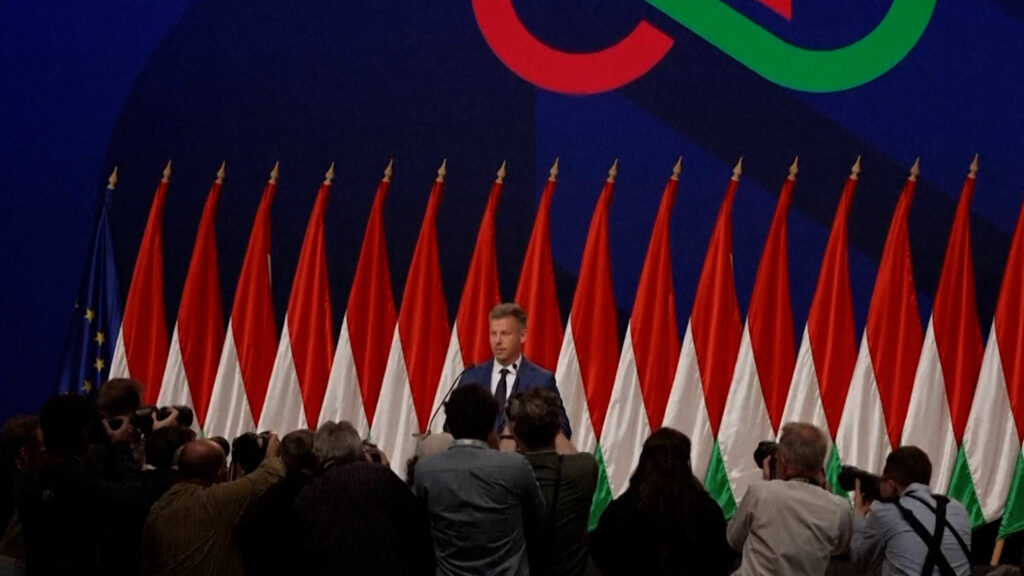
Following his recent election victory, Peter Magyar, the newly elected leader in Hungary, has called for the early convening of parliament to expedite the formation of his government. Magyar’s appeal comes amid a climate of anticipation and political eagerness as the country looks forward to the establishment of a new administration.
Peter Magyar’s call emphasizes the need to accelerate parliamentary sessions to pave the way for swift governmental formation and implementation of agenda plans. This move aims to ensure that Hungary’s governance continues without disruption, maintaining political stability and addressing pressing national issues effectively.
The electoral victory that empowered Magyar has brought significant attention to Hungary’s political landscape, signaling potential shifts in policy directions and governance strategies. Early parliamentary convening is seen as a critical step in facilitating the transition process and beginning the legislative work required to support Magyar’s government.
Political analysts note that convening parliament early will enable Magyar and his coalition to prioritize legislative matters, allocate resources, and set the national policy agenda in alignment with their campaign promises. This proactive approach reflects a commitment to strong and responsive leadership during a pivotal time for Hungary.
As Hungary prepares for this accelerated parliamentary session, both supporters and opposition parties have expressed varied reactions. Supporters believe that timely government formation will promote stability and economic progress, while opposition members emphasize the importance of thorough debate and democratic process.
Peter Magyar’s leadership marks a new chapter for Hungary, with his focus on early parliamentary action underscoring his intent to implement changes quickly and effectively. Observers will be closely watching how the early convening of parliament impacts political dynamics and legislative achievements in the months ahead.
This development highlights the importance of efficient political processes in maintaining democratic health and addressing the needs of the Hungarian people. Magyar’s call serves as a reminder of the critical role parliament plays in shaping the country’s future through governance and policymaking.
In summary, the new Hungarian leader Peter Magyar’s request for an early convening of parliament is a significant political moment. It reflects a strategic effort to form a functional government swiftly and begin addressing national priorities, signaling a hopeful and dynamic period for Hungary’s political and social landscape.