The latest developments in Lebanon reveal a grim escalation as Israeli strikes continue to batter southern Lebanon, pushing the death toll beyond 2,000. The conflict has intensified tensions in the region, drawing urgent calls for dialogue and peace negotiations.
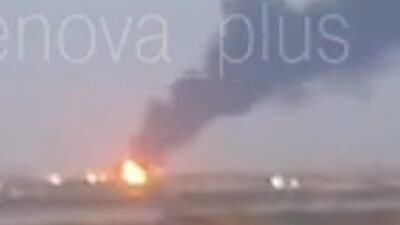
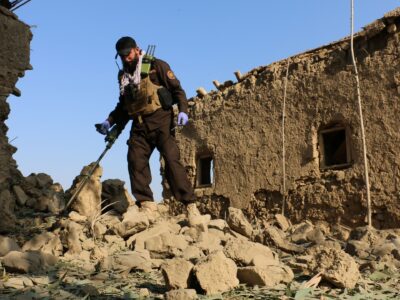
Israeli forces have conducted multiple airstrikes targeting southern Lebanese territories, causing significant loss of life and widespread destruction. The strikes have also led to a humanitarian crisis, with many civilians caught in the crossfire and essential infrastructure severely damaged.
As the death toll rises, the international community is pushing for immediate talks to find a resolution. Diplomatic efforts are underway to bring the conflicting parties to the negotiating table, aiming to establish a ceasefire and prevent further escalation. However, divisions remain deep over terms and trust between the sides.
Lebanese officials and Israeli representatives are reportedly scheduled to hold talks soon, signaling a potential thaw in hostilities. These discussions are crucial as they represent one of the few avenues to halt the violence and alleviate the suffering of civilians.
Despite the looming talks, skepticism persists among local populations and international observers regarding the prospects of a lasting ceasefire. Previous attempts have faltered due to disagreements over key issues such as border security, the presence of armed militias, and political conditions.
The situation remains volatile, with ongoing concerns about the regional impact if the conflict continues unchecked. Neighboring countries and global powers are monitoring the developments closely, urging restraint and support for peace efforts.
Humanitarian organizations have called for increased aid to assist those affected, highlighting the urgent needs for medical supplies, food, and shelter. The destruction of infrastructure has compounded these challenges, making access difficult for relief workers.
As the international community rallies for dialogue, the people of Lebanon endure the harsh realities of war, hoping for a swift resolution to restore peace and stability to the region. The upcoming talks, while fraught with challenges, offer a glimmer of hope that diplomacy could pave the way for an end to the ongoing strikes and loss of life.