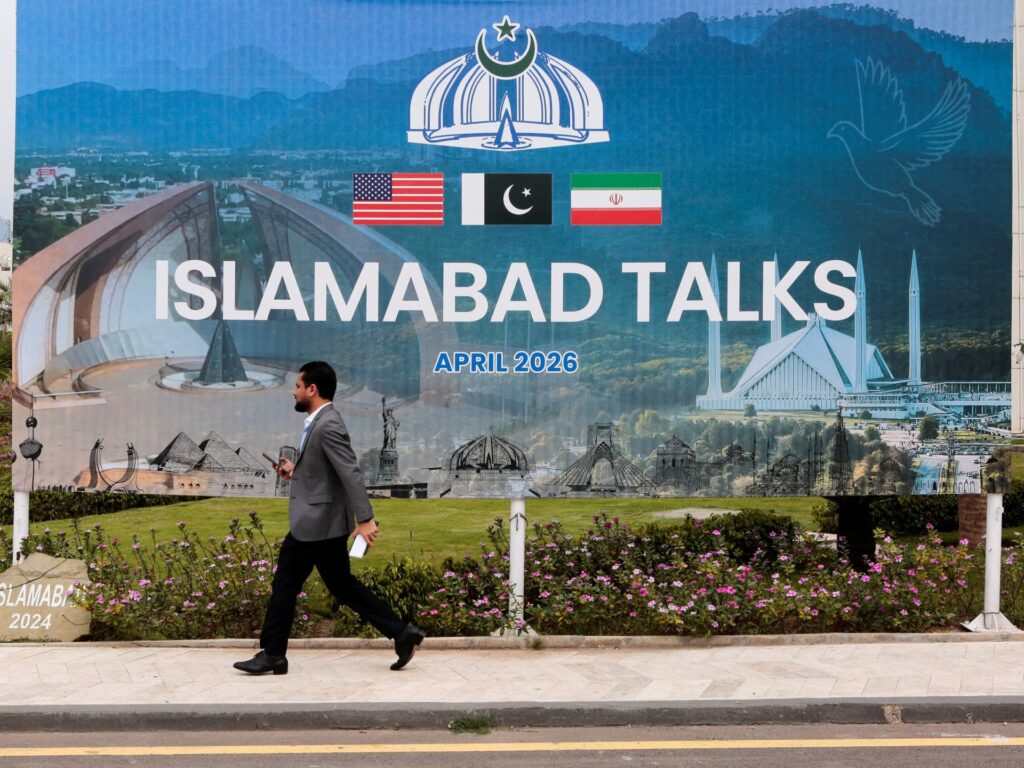
In the latest developments surrounding the Iran conflict peace negotiations, UN envoy Stephanie Vance has announced that no agreement has been reached after the United States presented what it termed as its “best, final offer.” This announcement marks a critical juncture in the ongoing negotiations aimed at resolving the escalating tensions and conflict in the region.
According to Vance, the US has exhausted its negotiating stance with an offer that represents the final terms they are willing to accept in the peace talks. Despite extensive discussions, the talks have stalled, with no consensus reached between the involved parties.
In reaction to the US statement, Iranian media sources reported that the United States was seeking an excuse to withdraw from the peace talks. They argue that the US position has been firmly unwilling to compromise and accuse Washington of undermining the negotiation process.
The Iranian media further stated that “the ball is in America’s court,” indicating that the responsibility to revive the peace negotiations now lies with the United States. They emphasize that Iran remains open to dialogue but insists on fair terms reflective of its national interests.
These developments come amid heightened international attention to the Iran conflict, with global powers urging a peaceful resolution. The international community continues to monitor the situation closely, hoping for renewed negotiations that can prevent further escalation.
The US administration has not released a detailed explanation of the “best, final offer,” leaving many analysts speculating about the specifics of the proposal. Meanwhile, Iranian officials have hinted that they require guarantees and concessions that address core issues long-standing in the conflict.
Observers point out that the failure to reach an agreement at this stage could prolong the conflict, with potential humanitarian and economic consequences for the region and beyond. Diplomatic efforts are expected to continue behind the scenes as both sides weigh their next moves.
The breakdown in talks has also raised concerns among allied countries and international organizations that have invested in the peace process. Calls for renewed dialogue and mediation efforts have been voiced by several stakeholders seeking to bridge the gap between the parties.
As events unfold, the situation remains fluid with the potential for quick changes depending on diplomatic interventions. The coming days will be crucial in determining whether the peace process can be salvaged or if the conflict will intensify further.
In summary, the announcement by Stephanie Vance signifies a pivotal moment in the Iran conflict peace negotiations. Despite the US presenting its final offer, the absence of a deal reflects deep-seated disagreements and the complexity of the issues at hand. The tone from Iranian media highlights the ongoing standoff, placing the onus on the United States to act decisively if peace is to be achieved. The international community remains watchful, hopeful for a breakthrough that can bring lasting stability to the region.