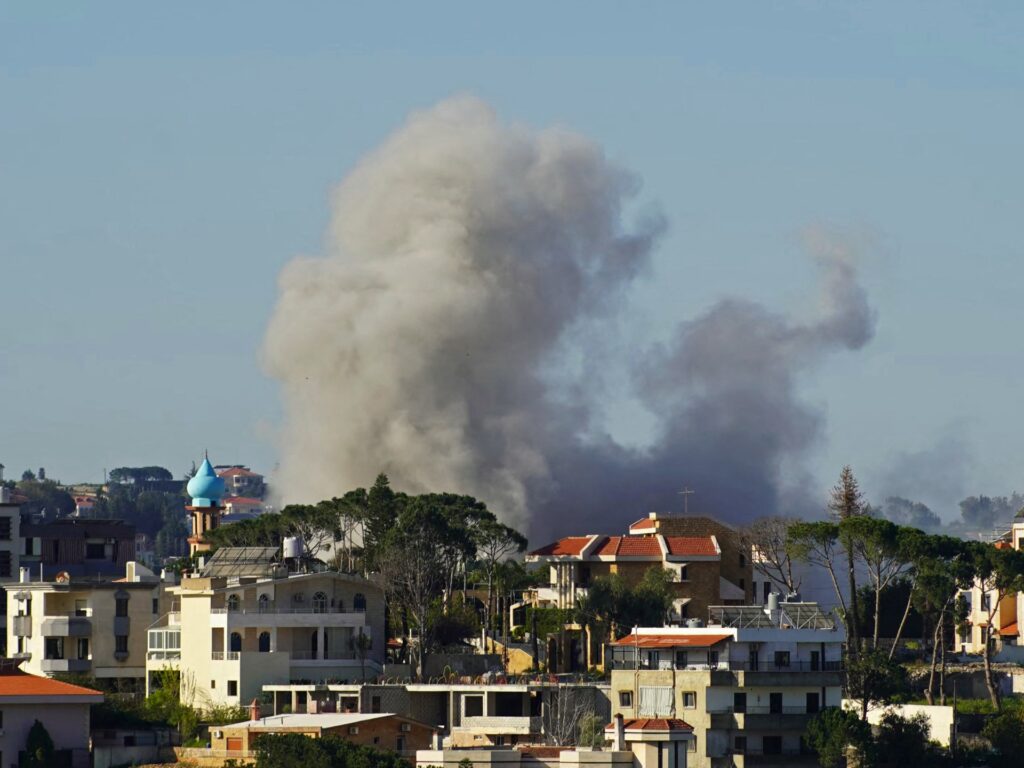
In a devastating escalation of conflict, Israeli military strikes have killed at least 18 people across southern Lebanon, according to Lebanon’s Health Ministry. The strikes are part of ongoing hostilities that have severely impacted civilian areas in the region.
Since March 2, more than 2,000 people have lost their lives in Israel’s attacks on Lebanon, marking a tragic toll as tensions continue to escalate. The figures released by the Lebanese Health Ministry underline the severity of the situation and the increasing human cost of the conflict.
The southern region of Lebanon, often a hotspot due to its proximity to Israel, has been severely affected. Israeli forces have targeted various locations, leading to widespread destruction and civilian casualties. These airstrikes are part of what Israel describes as a campaign against militant groups operating in Lebanon.
The international community has expressed growing concern over the rising death toll and the impact on civilians trapped in conflict zones. Humanitarian organizations warn of an increasing humanitarian crisis as shortages of medical supplies, food, and safe shelter escalate.
Lebanese government officials have condemned the attacks, calling for an immediate cessation of hostilities and urging international intervention to prevent further loss of life. The strikes have also heightened fears of a broader regional conflict, with potential repercussions for stability in the Middle East.
Reports from journalists on the ground describe scenes of devastation, with entire neighborhoods reduced to rubble and hospitals overwhelmed with casualties. The psychological impact on survivors, including children and families, is profound, with many fearing for their safety amid ongoing air raids.
Diplomatic efforts are underway to address the crisis, with calls for dialogue and negotiations to halt the violence. However, the situation remains volatile, and the risk of further escalation is high.
Residents of southern Lebanon face an uncertain future as they seek safety and aid amid continuing airstrikes. The international community is urged to increase humanitarian assistance and work towards a peaceful resolution to prevent the conflict from worsening.
This recent wave of violence underscores the fragile nature of peace in the region and the urgent need for renewed diplomatic engagement to address underlying issues fueling the conflict.
As the conflict continues, the focus remains on protecting civilian lives and restoring stability to southern Lebanon. The global community watches closely, hoping for de-escalation and a return to peace in this troubled region.