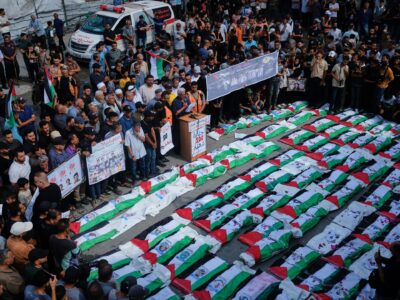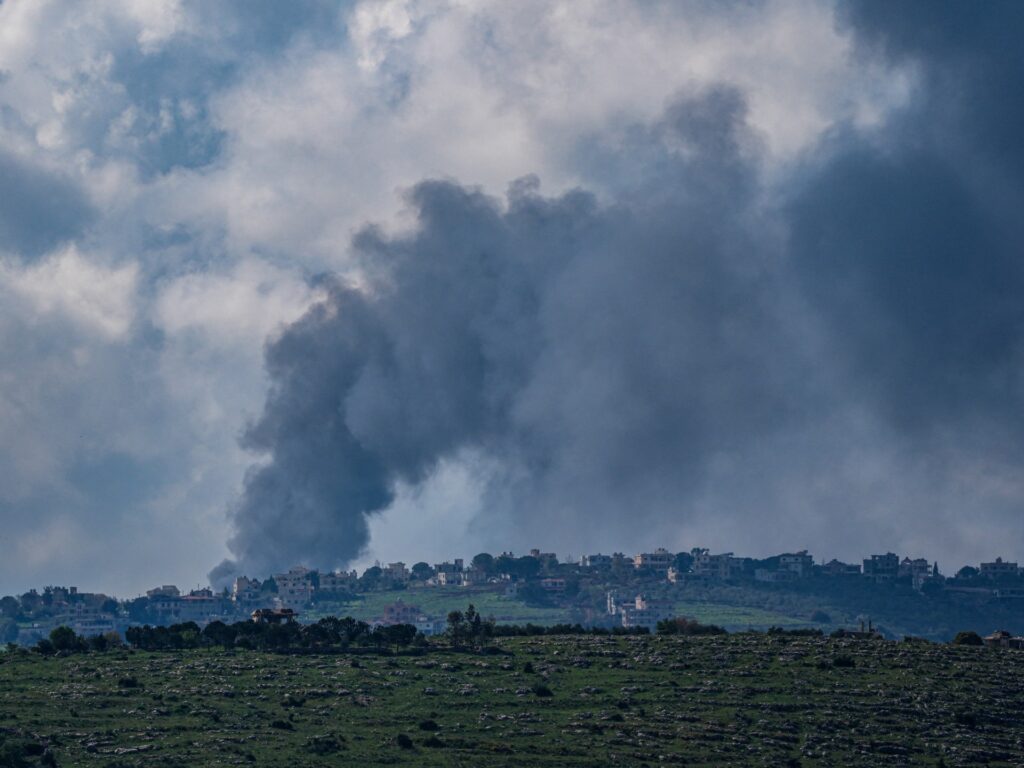
Recent Israeli air strikes across southern Lebanon have resulted in the tragic deaths of at least 14 individuals, further escalating tensions in the region. These attacks have targeted various locations, leading to significant casualties and widespread destruction. The violence comes amid ongoing conflicts that continue to destabilize Lebanon and its neighboring areas.
The World Food Programme (WFP) has issued a grave warning concerning the situation in Lebanon, stating that it is rapidly becoming a food security crisis. The WFP highlights that the intensification of air strikes and the resulting disruption of supply chains, agricultural activities, and local markets severely threaten the availability and accessibility of food for the Lebanese population.
Southern Lebanon, a region traditionally affected by cross-border conflicts, has experienced heightened military activity. The air strikes have not only caused loss of life but have also impacted infrastructure including homes, schools, and health facilities, exacerbating the humanitarian situation.
Residents in the affected areas are facing increasing hardships as ongoing hostilities hinder access to basic necessities. The destruction of roads and marketplaces, combined with uncertainties over future attacks, is forcing many to flee their homes, adding to the displacement crisis within the country.
The WFP’s situation report underscores the urgency of addressing the crisis to prevent further deterioration of Lebanon’s food security. With fragile economic conditions already in place, compounded by a lack of resources and external aid constraints, millions of Lebanese are at risk of hunger and malnutrition.
International humanitarian organizations are calling for immediate ceasefires and the establishment of safe corridors to allow the delivery of crucial food supplies and medical aid. The Lebanese government, alongside global partners, is urged to coordinate responses to mitigate the impact on vulnerable populations, particularly children, women, and the elderly.
The ongoing conflict in the region continues to create a complex emergency that challenges peace efforts and regional stability. The humanitarian community stresses the need for urgent political dialogue and conflict resolution to prevent further loss of life and suffering.
Efforts to rebuild and support affected communities will require substantial investment and cooperation. Addressing the root causes of the conflict, including political disputes and security concerns, remains essential to achieving lasting peace and stability in southern Lebanon and the wider region.
As the situation remains fluid, close monitoring by international agencies is critical to respond promptly to emerging needs. The plight of those affected demands collective global attention to foster resilience and recovery.
In summary, the recent Israeli air strikes that killed at least 14 individuals in southern Lebanon are not only a tragic loss of life but also have contributed to a growing food security crisis as highlighted by the World Food Programme. The compounded effects of conflict-induced destruction and economic instability pose significant challenges to the Lebanese people, necessitating urgent humanitarian response and peaceful resolution efforts.