Tensions in the Middle East have escalated once again as Israel launched attacks on Lebanon, coinciding with imminent US-Iran truce negotiations. This renewed conflict adds a volatile layer to the already fragile situation in the region.
Israel’s repeated bombardments of Lebanese territory signal its continuing vigilance against what it perceives as security threats from Hezbollah, the Lebanon-based militant group backed by Iran. These attacks have incited urgent reactions from Iranian leadership and threatened to undermine ongoing diplomatic efforts.
The Speaker of Iran’s Parliament has issued a stark warning amid the strikes, emphasizing that “time is running out.” This statement underscores the high stakes at play as the US and Iran prepare to engage in discussions aimed at de-escalating hostilities and potentially reviving diplomatic relations through a truce.
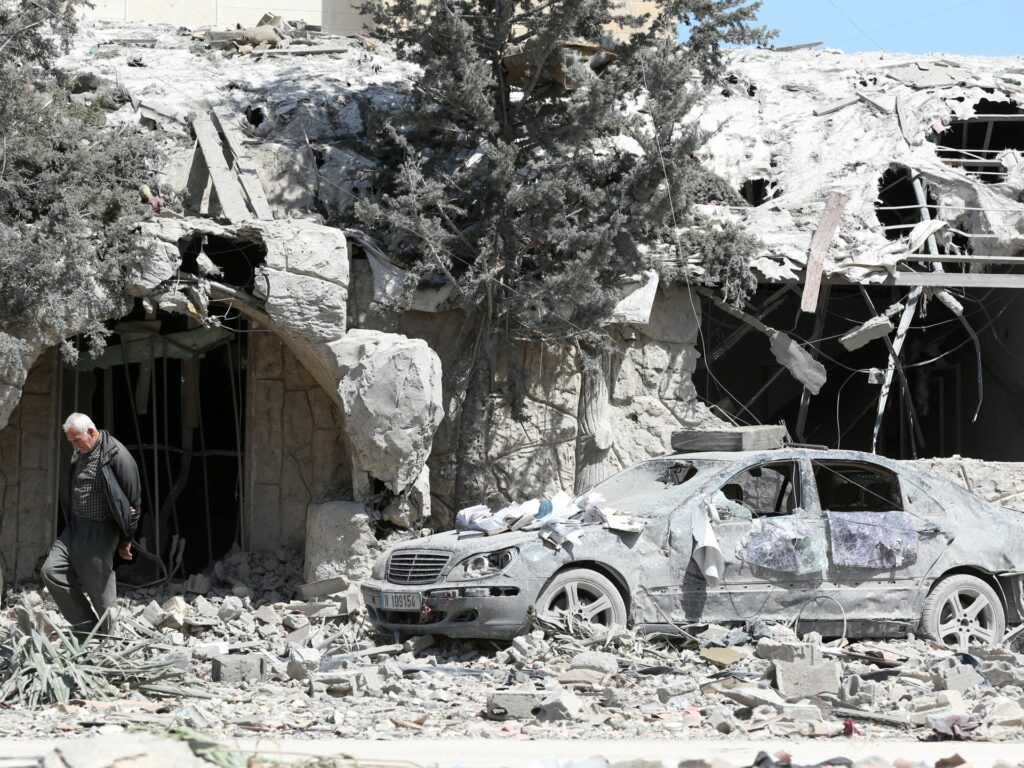
Lebanon, still recovering from political instability and economic strife, now faces the additional pressure of conflict spilling onto its soil. The Israeli attacks have targeted multiple locations, reportedly including Hezbollah infrastructure, but have raised fears of broader civilian casualties and infrastructural damage.
The timing of these attacks is critical. US-Iran talks, aimed at preventing further destabilization and possibly resurrecting the 2015 nuclear deal, have been anticipated by international observers with cautious optimism. However, military actions such as these complicate efforts to foster mutual trust and cooperation among the parties involved.
Iran has remained steadfast in its support for Hezbollah, considering the group a key ally in opposing Israeli actions and influence in the region. The Iranian parliament speaker’s comments resonate as a rallying call to hardline elements within Iran and its allies, reinforcing a narrative of resistance against perceived aggression.
Simultaneously, the Israeli government maintains that its operations are defensive, aimed at preempting attacks from Hezbollah and securing its northern borders. Nevertheless, the continued military actions contribute to a cycle of violence that threatens regional peace and stability.
International responses have varied, with some countries urging restraint and calling for dialogue while others are watching closely, concerned about the possible escalation into wider conflict. The United Nations and various aid organizations have also expressed worry about the humanitarian impact of renewed fighting in Lebanon.
As the US-Iran truce talks approach, global attention is focused on whether diplomatic efforts can overcome the tide of violence. The success or failure of these negotiations could significantly influence the future trajectory of Middle Eastern geopolitics.
In conclusion, Israel’s attacks on Lebanon amid the critical juncture of US-Iran peace talks reveal the complexities and intertwined challenges of achieving stability in the Middle East. With Iran warning that “time is running out,” the coming days will be crucial in determining whether diplomacy can prevail or if the region will be plunged deeper into conflict.