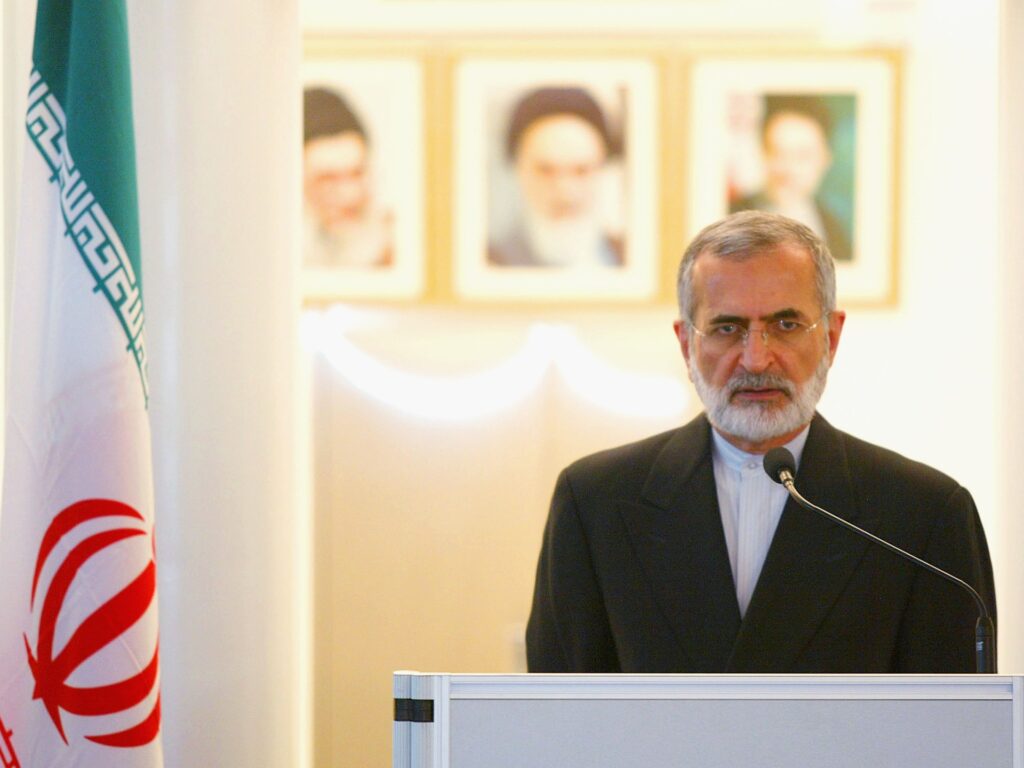
In a shocking development, Iran’s former Foreign Minister, Kamal Kharazi, was gravely wounded in an apparent assassination attempt at his residence. The attack has raised serious concerns about political stability and security in the country, coming at a time when tensions in the region remain high. Reports indicate that the incident occurred under circumstances suggesting a targeted assault, though details about the assailants remain unclear.
Kharazi, a veteran diplomat with decades of experience in Iran’s foreign policy, has been a significant figure in Iranian politics, known for his moderate stance and efforts to engage in dialogue with the international community. This latest attack not only endangers his life but also sends ripples through the nation’s political landscape.
The incident unfolds as Iran’s military forces have renewed their fervent commitment to resist foreign pressures, notably from the United States and Israel. The Iranian army recently pledged to continue fighting until these nations face what they termed ‘permanent surrender,’ signaling escalating hostility and an uncompromising posture in the region.
Security forces have launched an intensive investigation into the assault, aiming to identify the perpetrators and motives behind the attack. The Iranian government is urging calm among the populace while stressing the importance of national unity in the face of external threats and internal challenges.
This attack illustrates the dangerous volatility affecting Iran amid geopolitical tensions and internal factionalism. Political analysts suggest that such incidents could be attempts by domestic or foreign adversaries to destabilize the country by targeting high-profile figures.
International communities and human rights organizations have expressed concern over the violent incident and urged all parties to seek peaceful resolutions through diplomacy rather than violence. The global implications of the attack highlight the fragile state of affairs in the Middle East, where longstanding conflicts and new flashpoints continue to pose risks to global peace and security.
Iran’s government has vowed to respond decisively to protect its officials and maintain order. Meanwhile, the health condition of Kamal Kharazi remains critical, with medical teams working to stabilize him.
As investigations continue, the world watches closely, apprehensive about the potential consequences this assassination attempt could have on Iran’s domestic politics and international relations. The event serves as a stern reminder of the risks faced by political leaders in volatile environments and the ongoing struggle for influence and control in the Middle Eastern geopolitical arena.