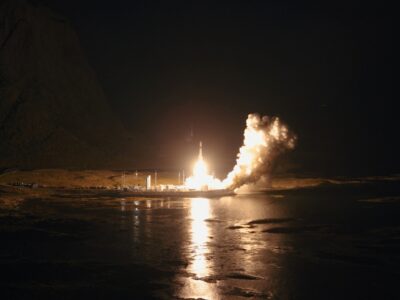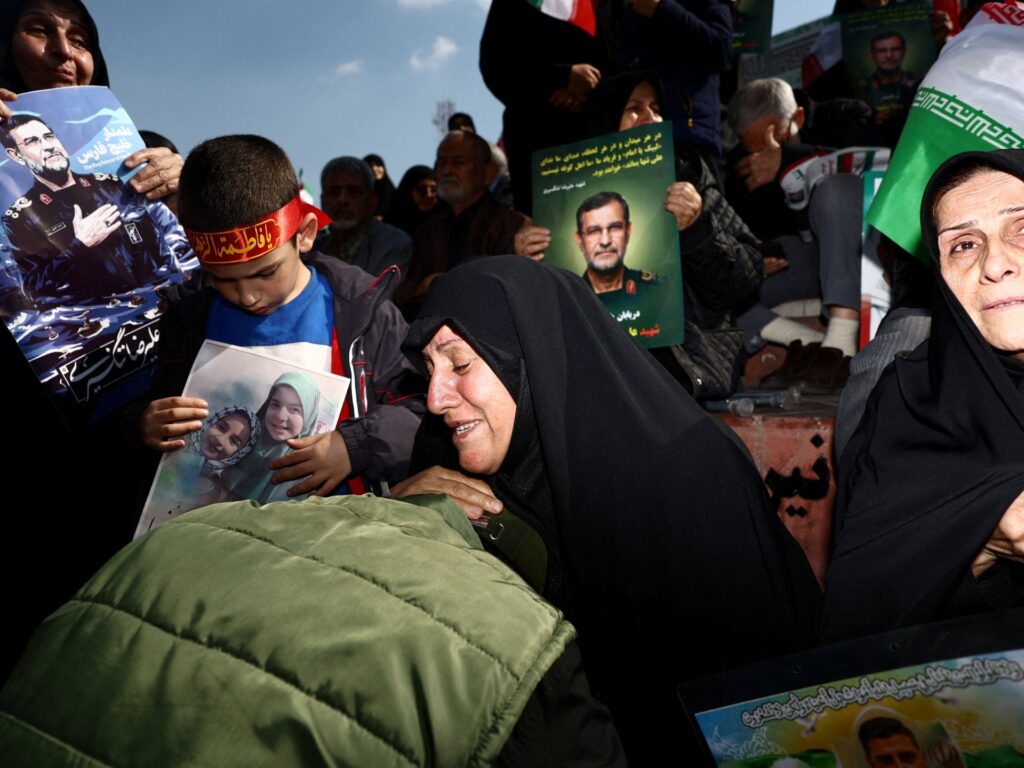
The ongoing conflict involving Iran has escalated significantly, with recent US-Israeli attacks causing considerable casualties and widespread damage to infrastructure across the country. These strikes have targeted various strategic locations, exacerbating tensions and raising concerns about the potential for further escalation in the region.
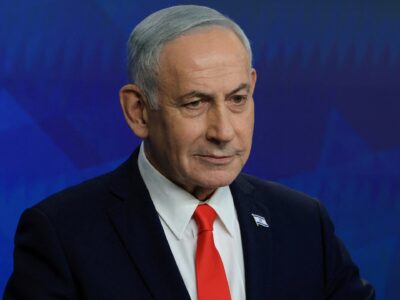
In response to the rapidly evolving situation, former US President Donald Trump is scheduled to address the nation. His remarks are anticipated to outline the current US stance on the conflict, potential strategies moving forward, and possible implications for international relations and regional stability.
Meanwhile, Tehran has officially denied any intentions of seeking a ceasefire at this juncture. Iranian officials maintain that their position remains firm, signaling a continued commitment to their strategic objectives despite the mounting pressures from international military actions.
The impact of the attacks has been devastating, with numerous casualties reported alongside significant damage to Iran’s infrastructure. Critical facilities, including energy plants and communication networks, have been targeted, leading to disruptions that affect both civilian life and military capabilities.
International reactions have been swift, with various nations expressing concern over the escalating violence. Diplomatic efforts are underway in some quarters to de-escalate the situation and encourage dialogue, though these have so far met with limited success.
The humanitarian consequences of this conflict are becoming increasingly dire, with populations in affected areas facing shortages of essential services and resources due to the destruction wrought by the bombings.
The situation remains highly fluid, with both sides preparing for possible further confrontations. The global community watches closely, wary of the broader implications that continued conflict in the region might entail.
This conflict underscores the complexity of Middle Eastern geopolitics, where historical grievances and strategic interests frequently result in volatile and protracted disputes.
As the world awaits more details from Trump’s upcoming address, the focus remains on the immediate needs of those impacted by the conflict and the urgent necessity for effective diplomatic intervention to prevent further loss of life and destruction.
Continued coverage and updates are essential to understanding the full scope of this crisis as it unfolds, highlighting the importance of efforts to seek a peaceful resolution amid ongoing hostilities.