In a week marked by escalating tensions and violence, the situation in Palestine continues to deteriorate with significant impacts on daily life, religious practices, and regional stability. Israeli authorities have extended the closure of key holy sites, an unprecedented move that has drawn broad criticism and heightened fears amid ongoing unrest.
Holy Sites Closure
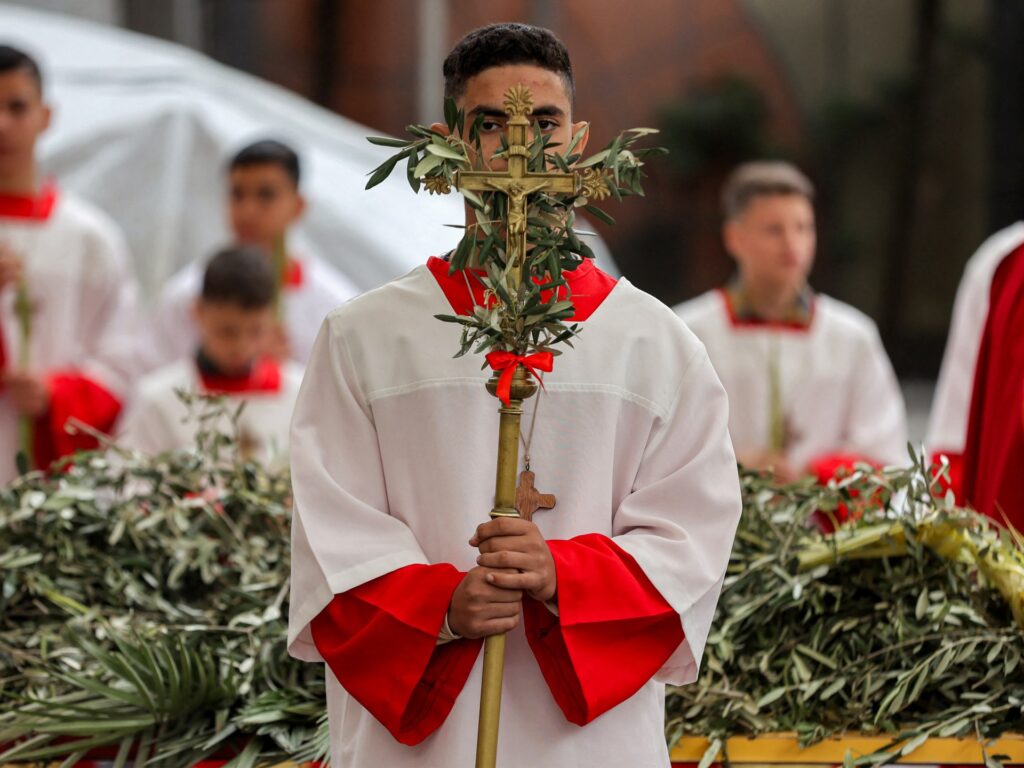
The closure of sacred sites, including prominent locations in East Jerusalem, has triggered distress among Palestinians and the international community. These sites hold deep religious significance for Muslim and Christian communities, and their shuttering interrupts vital religious observances during a tense period. Israeli officials cite security concerns amid protests and violent clashes as justification for these measures.
Violence and Clashes
The week witnessed an alarming surge in deadly violence throughout the region. Rising tensions have led to numerous violent confrontations between Palestinian residents and Israeli security forces. Several casualties have been reported on both sides, exacerbating the humanitarian situation and diminishing hopes for de-escalation.
Settler Attacks and East Jerusalem Evictions
Adding to the volatile atmosphere are repeated attacks by Israeli settlers on Palestinian communities. These assaults have targeted homes, property, and individuals, creating an environment of fear and uncertainty. Alongside this, contentious evictions in East Jerusalem have continued, with Palestinian families facing displacement from their homes under Israeli court orders. These evictions remain a central point of international concern given their impact on the Palestinian population’s stability and rights.
Israeli Authorities Assert Control
Amid these developments, Israeli authorities have intensified efforts to assert control over the region. Security measures have been reinforced, checkpoints increased, and movement restrictions imposed, particularly in East Jerusalem and the West Bank. These actions are justified by officials as necessary for maintaining order but are viewed by many Palestinians and global observers as further restrictions on freedoms and human rights.
International Reaction
The international community has expressed growing alarm over the situation. Calls for calm, restraint, and renewed dialogue have been issued by multiple governments and international organizations. Human rights groups have condemned the closure of holy sites and the ongoing evictions and violence, urging all parties to respect international law and protect civilians.
Looking Ahead
As the cycle of violence shows no sign of abating, the prospects for peace and stability remain fragile. The closure of religious sites, attacks on civilians, and forcible evictions underscore the urgent need for dialogue and comprehensive conflict resolution. Without meaningful intervention and negotiations, the humanitarian and political crises in Palestine are likely to deepen, with severe consequences for all communities involved.
This week’s developments serve as a stark reminder of the complex and deeply rooted challenges facing Palestine and underscore the critical importance of addressing the underlying issues driving the conflict.