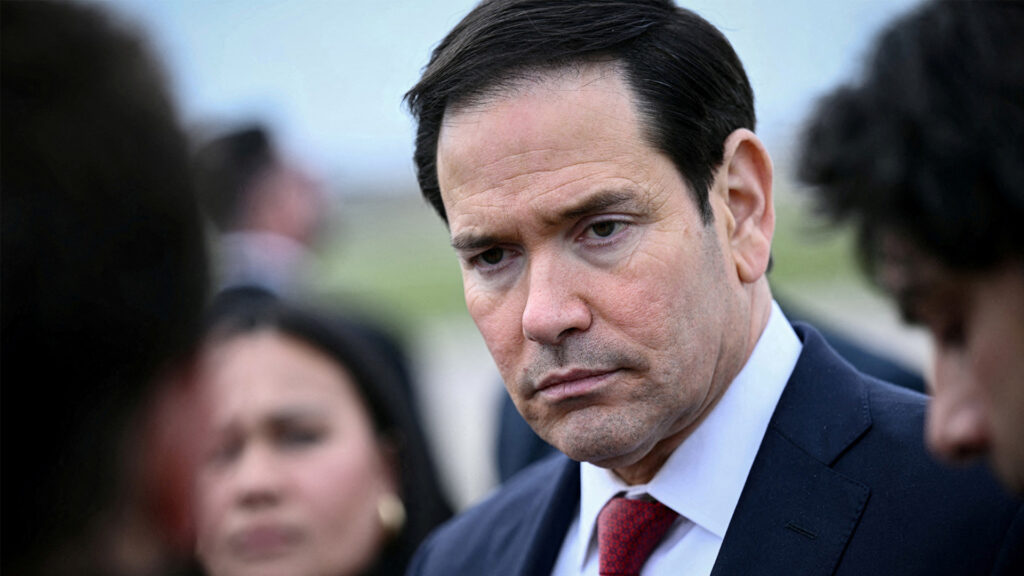
In recent statements, US Secretary of State Marco Rubio has emphasized that President Donald Trump continues to favor a diplomatic approach rather than military action in dealings with Iran. Rubio’s remarks come amid escalating tensions in the region, where the threat of conflict has captured international attention.
Rubio reiterated that despite the high stakes and provocative actions attributed to Iran, President Trump remains committed to exploring peaceful avenues for resolution. This approach aims to prevent the outbreak of war while addressing concerns relating to Iran’s nuclear program and regional influence.
The Secretary of State underscored the administration’s willingness to engage in dialogue and negotiate terms that could lead to de-escalation. This stance is significant given the complex geopolitical environment and the array of opinions within US foreign policy circles.
Rubio’s comments reflect a broader strategy to balance strength with diplomacy. The Trump administration has implemented sanctions aimed at curtailing Iran’s capabilities, while still leaving the door open for negotiations. This dual approach seeks to pressure Iran economically without resorting to armed conflict.
International allies and partners have expressed support for diplomatic efforts and called for restraint on all sides. The emphasis on diplomacy aligns with global efforts to maintain stability in the Middle East and avoid a wider war.
While tensions have risen due to incidents such as attacks on oil tankers and heightened military presence, the preference for a diplomatic solution indicates an effort to manage conflict through dialogue. It also signals to Iran and the international community that the United States prioritizes peaceful conflict resolution.
Rubio’s statements also highlight internal dynamics within the US administration, where debates over the appropriate course of action continue. Nevertheless, the public declaration of diplomacy as the favored path aims to reassure both domestic and international audiences of the administration’s intentions.
Looking forward, the situation remains fluid, but the commitment to diplomacy as expressed by Rubio and President Trump suggests cautious optimism. Continued engagement, sanctions, and strategic pressure will likely shape US policy, with the ultimate goal of avoiding war and achieving a sustainable resolution.
This stance represents an ongoing effort to navigate one of the most volatile international challenges of the era, balancing national security interests with the imperative of global peace.