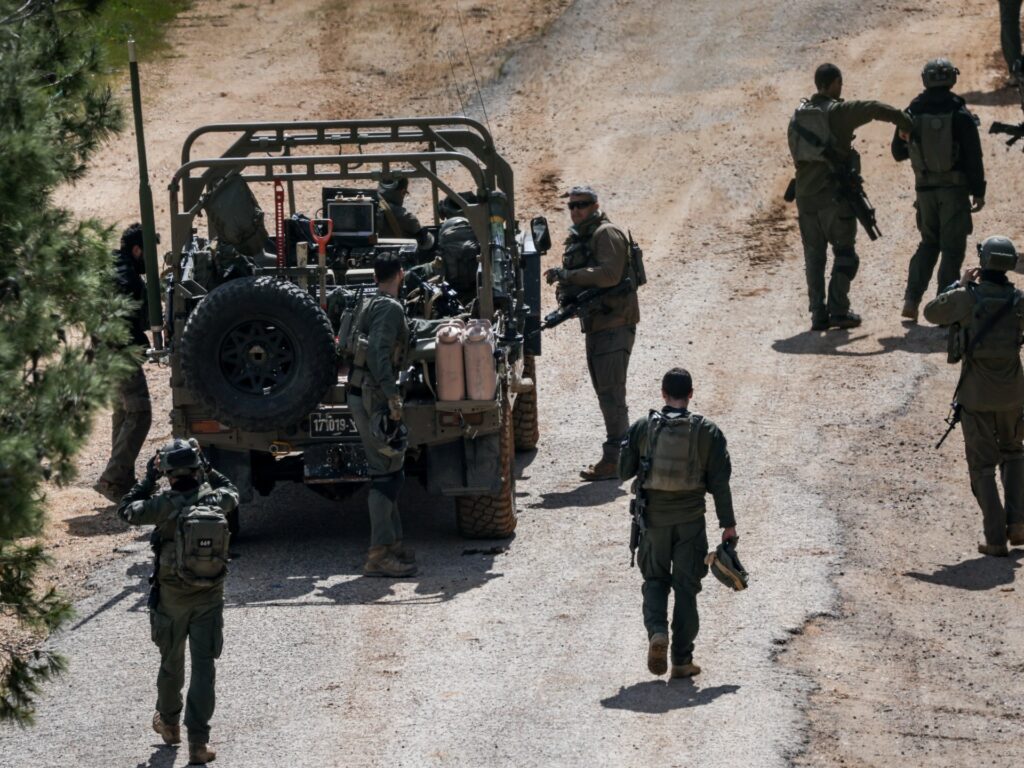
Israeli Prime Minister Benjamin Netanyahu has ordered the military to broaden its invasion in southern Lebanon, intensifying ongoing conflicts in the region. The Israeli Defense Forces (IDF) have been advancing aggressively towards the Litani River, a strategic location in southern Lebanon. This move marks a significant escalation in military actions aimed at countering threats from militant groups in the area.
The situation on the ground remains tense as the IDF pushes deeper into Lebanese territory, continuing operations that have already resulted in numerous casualties. The expansion of the invasion is seen as an effort to dismantle militant infrastructure and prevent cross-border attacks on Israeli soil.
In the midst of these developments, mourning ceremonies have been held for three journalists who were tragically killed while reporting on the conflict. These journalists lost their lives in the line of duty, highlighting the dangers faced by members of the press covering war zones. Their funerals have drawn significant attention and underscore the human cost of the ongoing hostilities.
The escalation has sparked international concern, with calls for restraint and the protection of civilians and journalists. Several countries and international organizations have urged both Israel and Lebanon to avoid further civilian casualties and to seek peaceful resolutions to the conflict.
The Litani River area, rich in strategic importance, has historically been a flashpoint for clashes between Israel and militant factions operating within Lebanon. The latest military operations underline the fragile nature of the region and the persistent volatility despite periods of relative calm.
As Israeli troops move forward, the humanitarian situation in southern Lebanon is deteriorating. Reports indicate displacement of local populations and increasing hardships for civilians trapped in the conflict zones. Human rights groups and relief organizations are calling for immediate aid and access to affected areas.
Netanyahu’s directive to expand the invasion comes amid a broader context of security challenges facing Israel, including ongoing threats from Hezbollah and other militant groups. This decision reflects a strategic stance aimed at enhancing Israel’s security and deterring future attacks.
The deaths of the journalists have prompted renewed discussions on the need for stronger protections for media personnel in active conflict areas. Press freedom advocates emphasize that the ability to report safely is crucial for transparency and accountability during wartime.
Overall, the recent developments signal a precarious phase in the Israeli-Lebanese conflict, with military, political, and humanitarian dimensions deeply intertwined. The international community watches closely as events unfold, hoping for de-escalation and dialogue to prevent further tragedy.