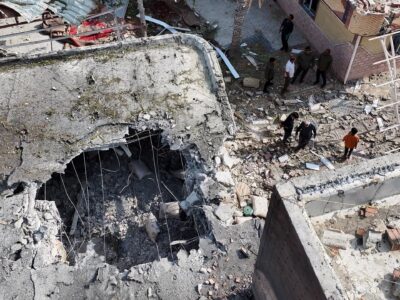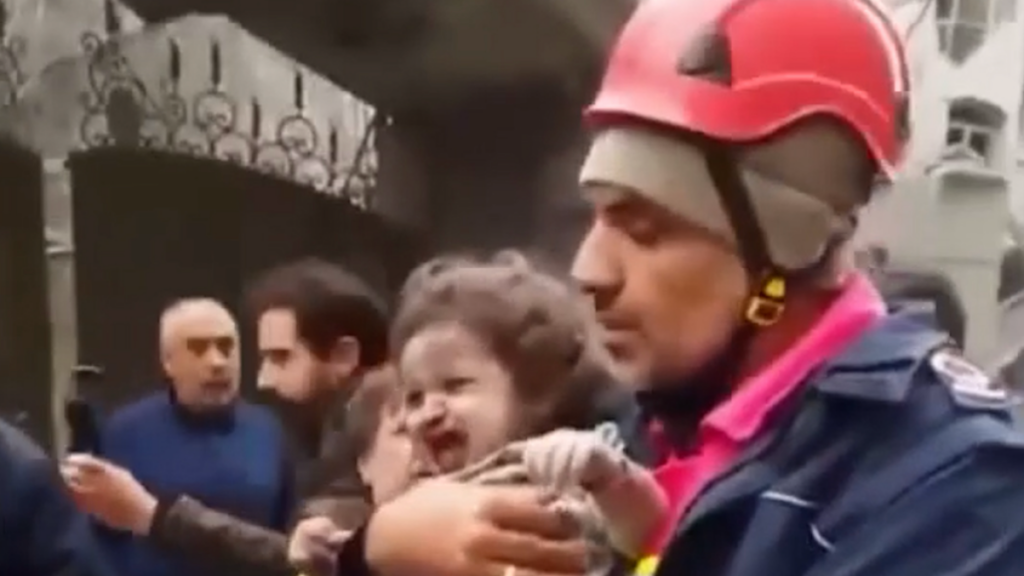
In a recent incident involving a US-Israeli strike on Iran, rescue teams from the Iranian Red Crescent managed to save a toddler trapped in the rubble of a destroyed building. The operation highlighted the ongoing tensions in the region and the humanitarian efforts amid conflict. During the strike, several buildings were damaged, leading to casualties and widespread destruction. Among the victims was a young child who became trapped under the debris, triggering an urgent rescue mission. Iranian Red Crescent teams responded quickly, working tirelessly to locate and extract the toddler from the wreckage. The successful rescue drew international attention, emphasizing the human cost of the conflict and the bravery of rescue workers operating in dangerous zones. This event is a stark reminder of the impact of geopolitical conflicts on innocent civilians, especially children. Humanitarian organizations have called for increased efforts to protect non-combatants and provide aid to those affected by the ongoing hostilities in the region. The incident also underscores the complex dynamics between the countries involved and the broader implications for peace and stability in the Middle East. Authorities continue to assess the damage and support survivors of the strike, while diplomatic channels remain engaged in attempts to de-escalate tensions. The rescued toddler’s story has become a symbol of hope and resilience amid adversity, highlighting the urgent need for peaceful resolutions to prevent further suffering. International communities have expressed concern over the situation, urging all parties to prioritize civilian safety and adhere to international humanitarian laws. Relief efforts are being mobilized to assist those displaced by the strike, with a focus on securing shelter, medical care, and essential supplies. The incident has reignited discussions over the strategies employed in the conflict and the potential consequences for regional security. It also brings to light the challenge of protecting vulnerable populations in conflict zones, where every life, especially that of a child, carries immense significance. Moving forward, the global community faces the challenge of fostering dialogue and cooperation to ensure such tragedies are minimized. The rescue operation serves as a poignant example of courage and humanity thriving even in the darkest circumstances, reminding all stakeholders of their responsibility towards civilian populations. As investigations into the strike continue, calls for accountability and transparency are growing louder. This event may influence ongoing negotiations and peace efforts, emphasizing the need to address the root causes of conflict effectively. Meanwhile, humanitarian groups remain on high alert, prepared to respond to any further emergencies resulting from military actions. The incident also sheds light on the role of international organizations in conflict resolution and civilian protection. Ultimately, the toddler’s rescue is a beacon of hope, inspiring efforts to safeguard human rights and promote stability in a region fraught with challenges. It is a powerful narrative that underscores the intersection of geopolitics and human lives, urging empathetic engagement from the global community. As the situation evolves, continued support for affected families and proactive measures to prevent future tragedies are essential priorities. The incident reminds us all of the fragile nature of peace and the imperative to work collectively towards a safer, more secure world for future generations.