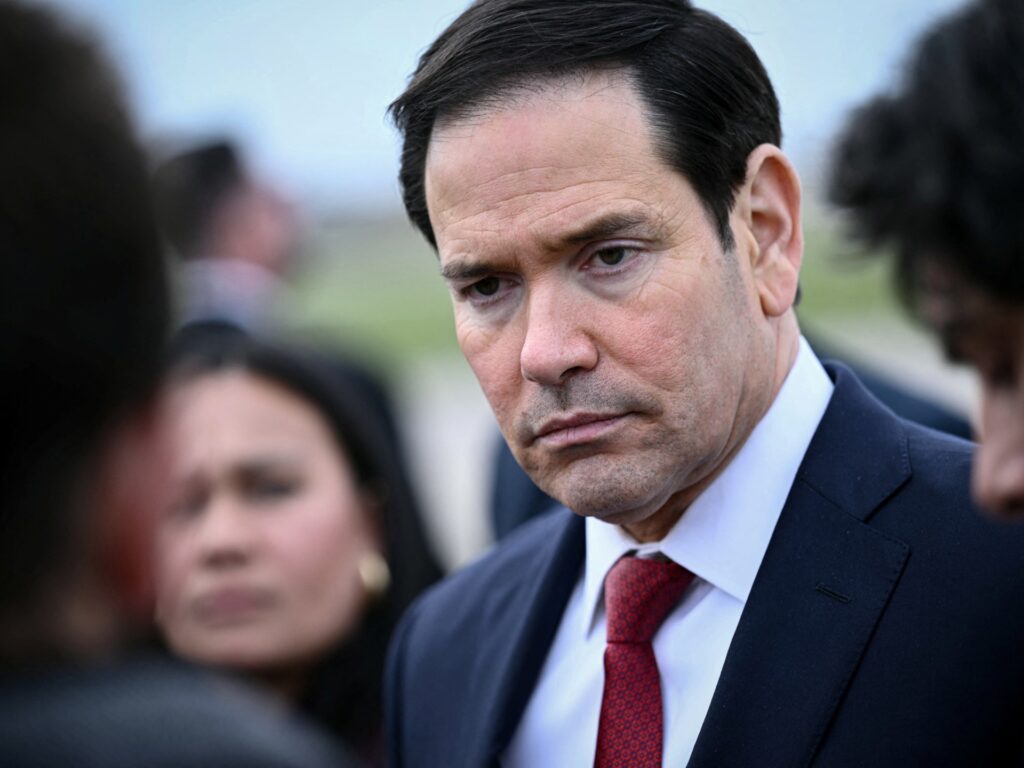
US Senator and diplomat Marco Rubio has recently taken a strong stance against settler violence, condemning the ongoing conflict and highlighting the injustices faced by affected communities. His statement comes amid heightened tensions and violence in various regions, where settlers have frequently clashed with local populations, leading to significant human and material losses.
In his address, Rubio emphasized the importance of addressing settler violence with a firm and unified approach. He underscored that such violence undermines prospects for peace and stability, calling on international communities and governments to intervene decisively and support peaceful coexistence.
Furthermore, Rubio reiterated President Donald Trump’s appeal for a multilateral initiative to secure the Strait of Hormuz. This strategic waterway, essential for global oil shipments, has witnessed increasing threats and instability, raising concerns among global powers about regional security.
Rubio’s call to action includes urging other countries to actively participate in securing the Strait of Hormuz. His position aligns with President Trump’s view that protecting this vital maritime corridor is crucial for maintaining freedom of navigation and ensuring the uninterrupted flow of energy supplies to the world market.
The senator’s remarks highlighted the broader geopolitical implications of instability in the Strait, noting that disruption there could have far-reaching consequences for global economic security. Rubio’s statement aims to rally international support and build consensus on joint measures to safeguard this critical chokepoint.
This dual focus on denouncing settler violence and securing the Strait of Hormuz illustrates the complexity of the challenges faced by US foreign policy in volatile regions. It underscores the necessity of addressing both human rights concerns and strategic security threats concurrently.
Rubio’s comments have sparked discussions within diplomatic circles, with many recognizing the need for coordinated international efforts to tackle these intertwined issues effectively. His stance reflects a broader message of promoting peace, security, and cooperation among nations to address contemporary global challenges.
In conclusion, Senator Marco Rubio’s recent statements bring to the fore pressing issues of settler violence and maritime security. By denouncing the violence and advocating for collaborative security measures in the Strait of Hormuz, Rubio reinforces the US commitment to global stability and the protection of fundamental rights.