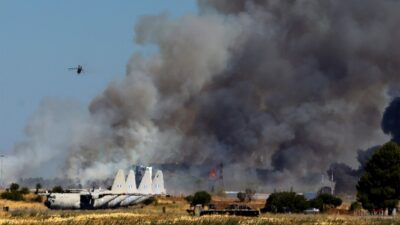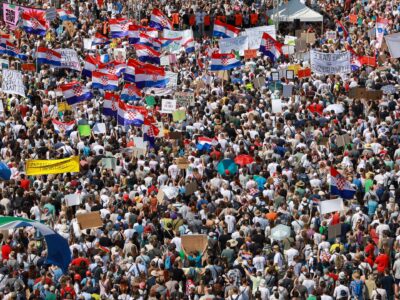
As the conflict in southern Lebanon continues, a rising tide of opposition within Israel is prompting serious questions about the government’s military approach. This growing dissent is reflected across various segments of Israeli society, including political analysts, citizens, and military experts, who are increasingly debating the efficacy and consequences of the current strategy.
The war, which has spanned several months, aims to counter militant activities and restore security in the border regions. However, the sustained military engagements have led to significant casualties and widespread disruption, factors contributing heavily to the mounting criticism within Israel.
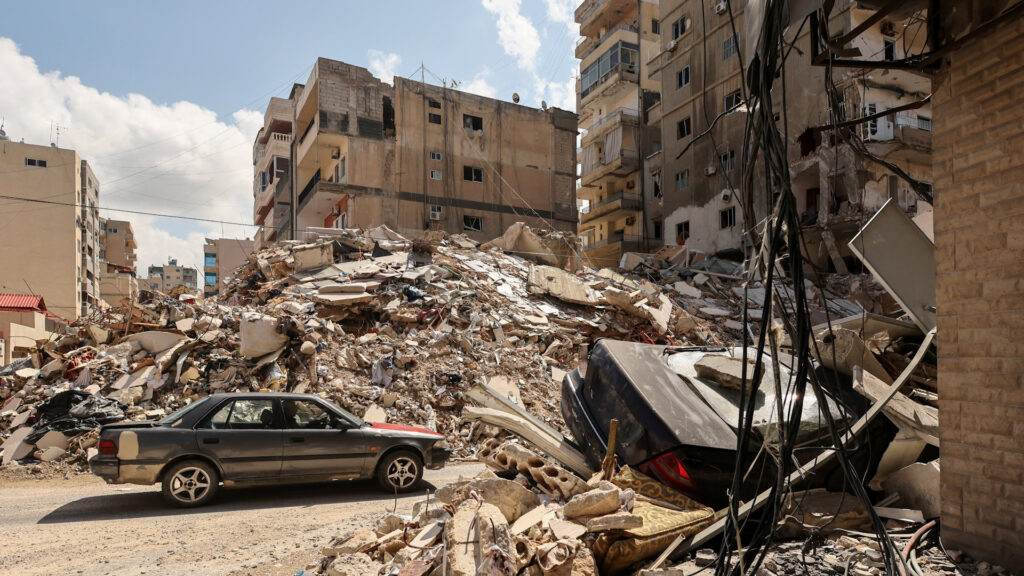
Critics argue that the government’s tactics may be disproportionate and are causing unnecessary civilian suffering and infrastructural damage in Lebanon. Furthermore, some voices express concerns about the long-term geopolitical repercussions and the potential escalation into a broader regional conflict.
Military officials defending the campaign maintain that the operations target militant strongholds and are necessary to protect Israeli citizens from cross-border attacks. They argue that while the situation is complex, the government’s strategy is focused on degrading the capabilities of hostile forces to prevent future assaults.
Public opinion polls reveal a noticeable shift, with an increasing number of Israelis favoring negotiations and diplomatic efforts over continued military confrontation. This change reflects war fatigue and a desire for a sustainable and peaceful resolution to the conflict.
Political leaders from opposition parties are capitalizing on this growing dissatisfaction, calling for greater transparency and a reassessment of military policies. They urge the current administration to consider alternatives that prioritize long-term stability and minimize harm to non-combatants.
Humanitarian organizations operating in Lebanon have also highlighted the urgent need for ceasefire agreements to allow aid deliveries and prevent further civilian casualties. The ongoing hostilities have severely impacted local populations, exacerbating the humanitarian crisis.
International reactions have been mixed, with some countries supporting Israel’s right to self-defense, while others call for restraint and renewed dialogue between the conflicting parties.
The conflict in southern Lebanon remains a focal point of regional and international attention, as Israel grapples with balancing security concerns, public opinion, and moral considerations. The growing internal opposition signals a critical juncture for Israeli policymakers, who must navigate these challenges to chart a path forward.
As the situation develops, all eyes remain on Israel’s decisions regarding its military strategy in southern Lebanon, with hopes for a peaceful and enduring solution gaining prominence among the populace.