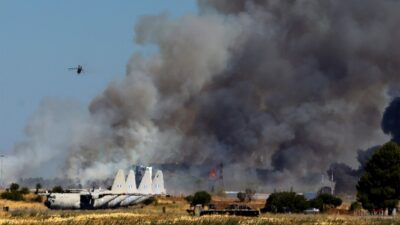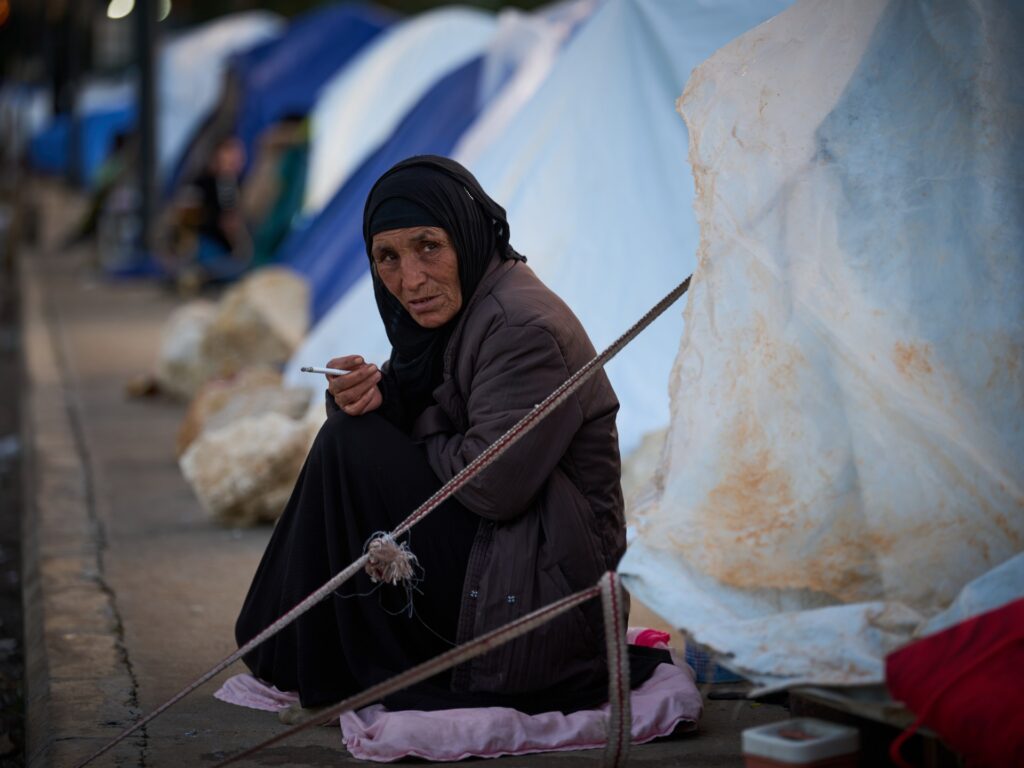
Lebanon is currently facing a dire humanitarian crisis as it endures relentless Israeli bombardment, according to the United Nations. The ongoing conflict has forced numerous Lebanese families to flee their homes, with many now living in constant fear and uncertainty. A senior official from the UN Refugee Agency highlighted the escalating emergency, expressing deep concern over the safety and well-being of displaced civilians.
The fallout from the Israeli assault has resulted in widespread destruction of infrastructure and homes, leaving thousands without shelter or basic necessities. Displaced families are struggling to find safe refuge, often taking shelter in overcrowded and under-resourced facilities that strain local capacities. The disruption to everyday life includes obstacles to accessing food, clean water, medical care, and education.
The UN has urgently called for an immediate halt to hostilities to allow humanitarian aid to reach those most in need. Aid agencies are mobilizing resources to provide emergency shelter, food supplies, and medical assistance, but challenges remain due to continued violence and restricted access.
Human rights groups have echoed the UN’s alarm, citing the psychological trauma inflicted upon civilians, particularly children, exposed to ongoing airstrikes and military operations. The pervasive atmosphere of fear and instability contributes to mental health crises among displaced populations.
Historical tensions and geopolitical disputes underpin this conflict, exacerbating the vulnerability of Lebanon’s already fragile social and economic fabric. The government and international community face pressing challenges in coordinating responses that prioritize civilian protection and pave the way for long-term peace and recovery.
In the face of such adversity, calls have intensified for increased international diplomatic engagement aimed at de-escalating the conflict. Efforts to mediate ceasefires and negotiate humanitarian corridors are deemed critical to alleviating the suffering of displaced Lebanese families.
The UN Refugee Agency and other humanitarian bodies stress the importance of sustained support and funding to effectively respond to the crisis. Without swift and coordinated action, the humanitarian catastrophe in Lebanon risks deepening, with profound consequences for regional stability and civilian lives.
As the situation unfolds, global observers continue to monitor developments closely, urging all parties to prioritize human dignity and adhere to international laws governing armed conflict. The hope remains that through diplomatic channels and humanitarian commitment, Lebanon’s displaced families may find safety and a path toward recovery amidst the turmoil.